

 English
  中文简体
中文简体  Español
  Deutsch
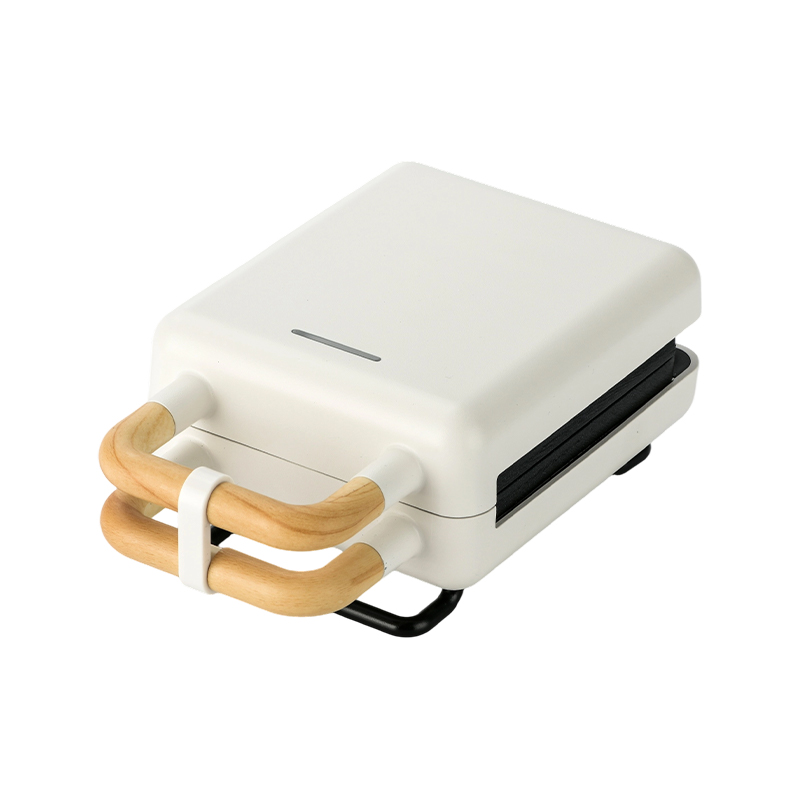
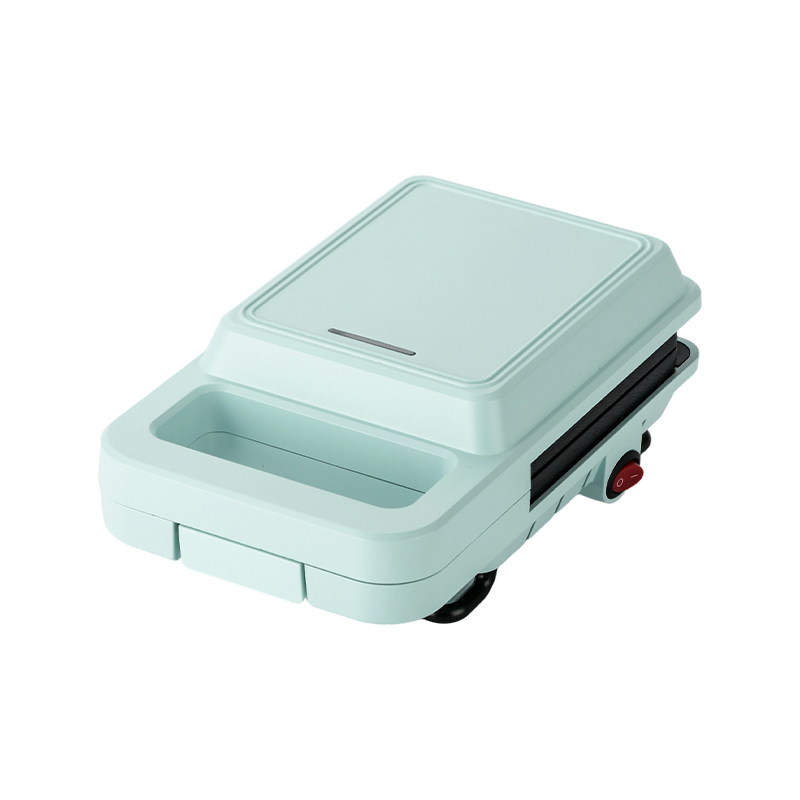
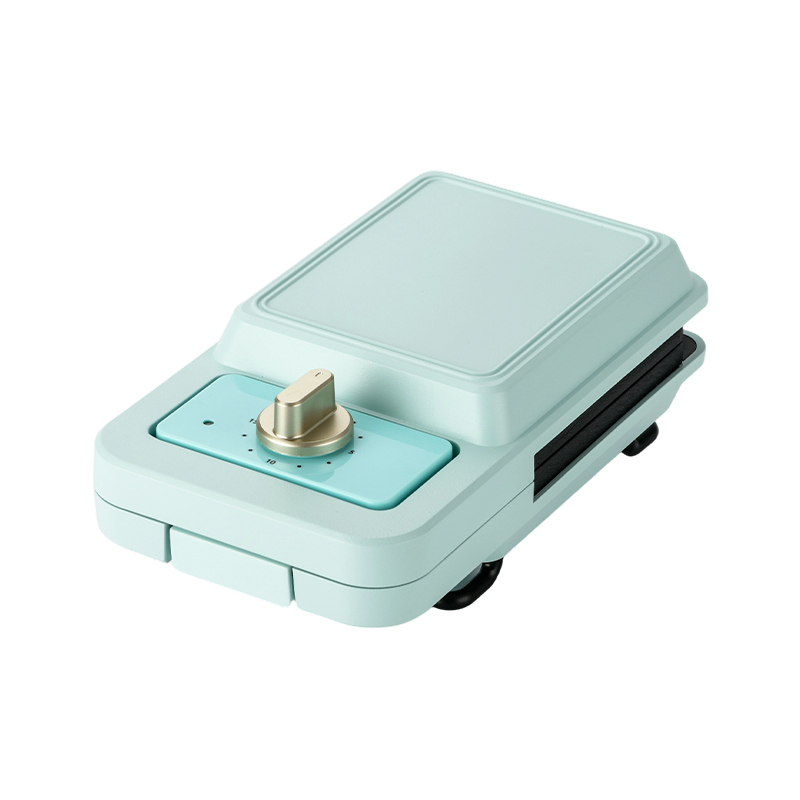
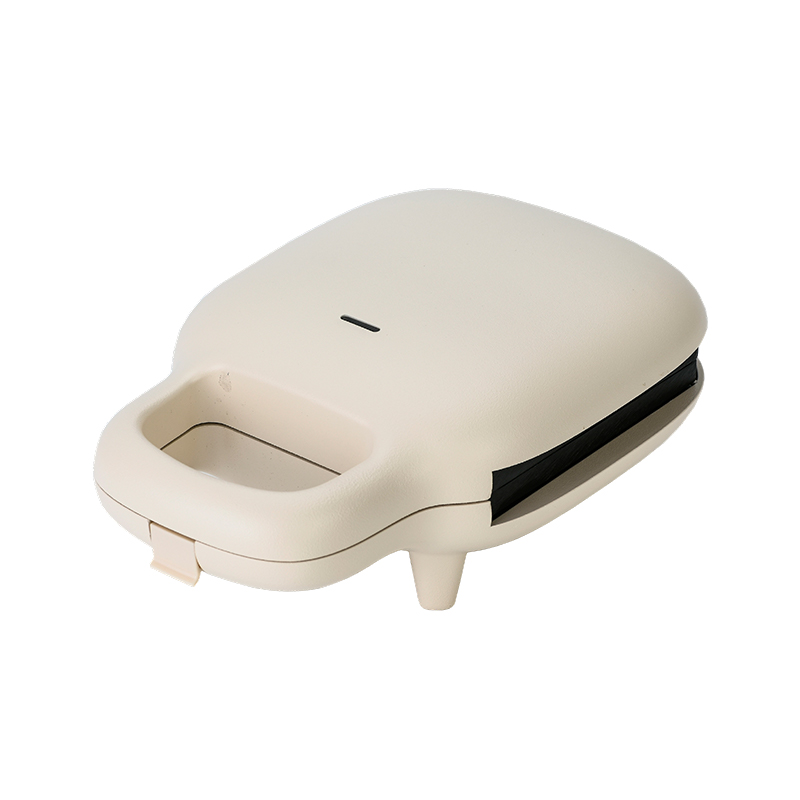
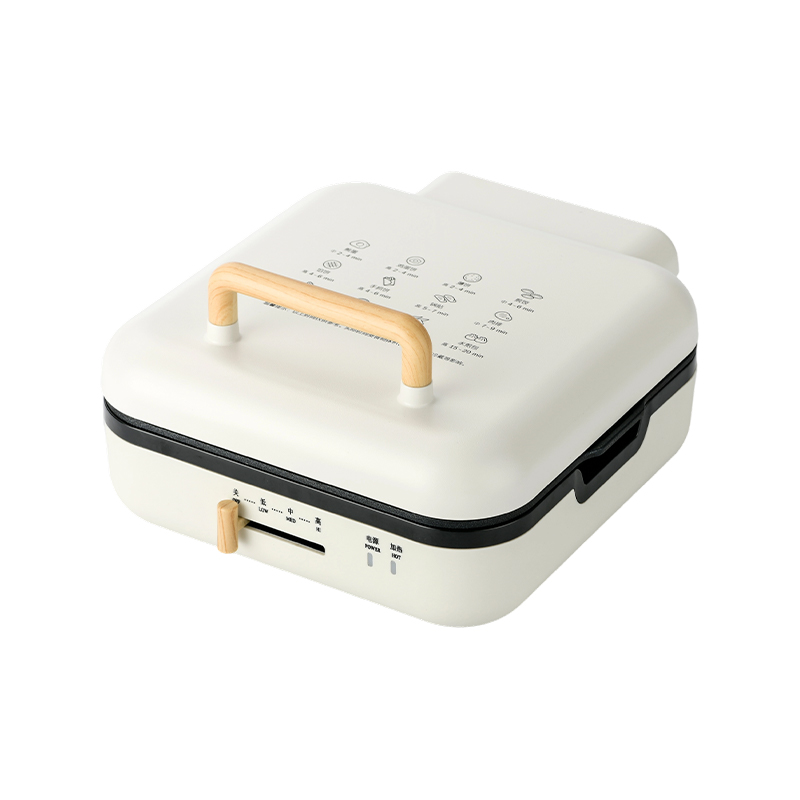
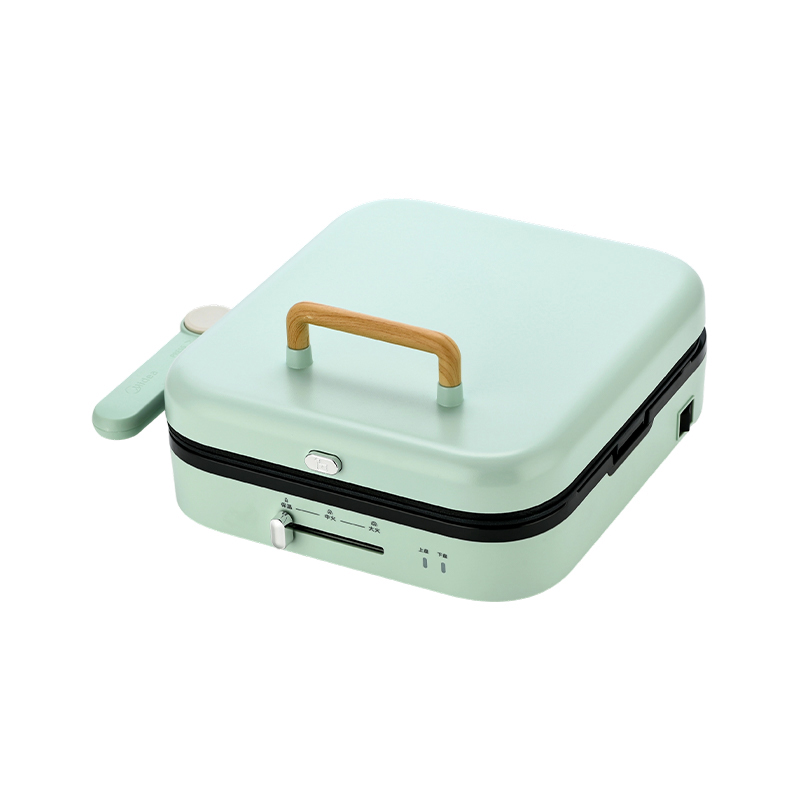
A grill sandwich maker is a countertop appliance with heated ribbed or flat plates that simultaneously toast both sides of a sandwich, melt the filling, and create distinctive grill marks — all in under five minutes. It is one of the most versatile small kitchen appliances available, capable of making hot sandwiches, paninis, grilled vegetables, and even breakfast items like eggs and quesadillas. Whether you are outfitting a home kitchen, a dormitory, or a small office break room, understanding how these devices differ and what specifications matter will help you get consistently excellent results from day one.
How Does a Grill Sandwich Maker Work?
A grill sandwich maker works by clamping a sandwich between two electrically heated plates, applying simultaneous heat and pressure from both sides to toast the bread, melt the cheese, and warm the filling in a single cooking cycle. Most models reach operating temperature in 3 to 5 minutes and complete a sandwich in an additional 3 to 6 minutes, meaning a hot, restaurant-quality grilled sandwich can be on the table in under 10 minutes from a cold start.
The internal heating elements — typically nichrome wire or ceramic-coated elements rated between 700W and 1,800W — transfer heat through cast aluminum or stainless steel plates. The plate surface pattern determines the result: ribbed plates create the char lines associated with panini and pressed sandwiches, while flat plates produce an evenly toasted surface similar to a griddle. Higher-end models include floating hinges that allow the top plate to rise and adapt to sandwiches of varying thickness, from a thin croque monsieur to a thick club sandwich stuffed with 2 to 3 inches of ingredients.
The Cooking Process Step by Step
- Preheat: Plug in the appliance and allow it to reach cooking temperature. Most models signal readiness with an indicator light. Skipping this step leads to uneven toasting.
- Prepare the sandwich: Lightly butter or oil the outer bread surfaces. This promotes crispness and prevents sticking on non-coated plates.
- Close the lid: Apply gentle pressure to engage the upper plate. Floating-hinge models self-adjust; fixed-hinge models require sandwiches to fit within the specified thickness limit.
- Cook to preference: Most sandwiches reach golden-brown with melted cheese in 3 to 5 minutes at medium-high heat. Adjust time for thicker fillings or dense bread varieties.
- Remove and serve: Use wooden or silicone tools to avoid scratching non-stick coatings. Allow the appliance to cool before cleaning.
Which Type of Grill Sandwich Maker Should You Choose?
The right type of grill sandwich maker depends primarily on how many sandwiches you need to make at once, how much counter space you have, and whether you want dedicated sandwich functions or a multi-use cooking surface. There are four main categories available in today's market.
| Type | Capacity | Wattage Range | Best For | Approx. Price Range |
| Compact / Single-Serve | 1 sandwich | 700 – 900W | Students, solo living, small kitchens | $15 – $35 |
| Standard 2-Slice Panini Press | 2 sandwiches | 1,000 – 1,400W | Couples, small families, everyday use | $30 – $80 |
| Large / Family Grill Press | 3 – 4 sandwiches | 1,400 – 1,800W | Families, frequent entertaining | $60 – $150 |
| Multi-Use Contact Grill | 2 – 4 servings | 1,200 – 1,800W | Versatile cooks; grilling meat, vegetables, sandwiches | $50 – $200 |
Table 1: Comparison of grill sandwich maker types by capacity, wattage, best use case, and approximate retail price range (US market, 2026).
Panini Press vs. Traditional Sandwich Toaster: Key Differences
A panini press uses flat or ribbed open plates with a floating hinge, making it suitable for any bread shape and thickness, while a traditional sandwich toaster uses sealed triangular or rectangular cavities that crimp and seal the bread edges. The sealed toaster is faster and less messy for simple cheese or ham fillings, but it cannot accommodate ciabatta, baguette, or artisan loaves. A grill sandwich maker in panini-press configuration is significantly more versatile and has largely replaced the traditional sealed toaster in most households. Consumer survey data from 2025 indicates that 68% of buyers who upgraded from a sealed sandwich toaster to an open-plate grill press reported higher satisfaction due to greater food variety.
What Features Matter Most in a Grill Sandwich Maker?
The five features that most significantly affect cooking performance and long-term satisfaction are plate material, hinge type, temperature control, non-stick coating quality, and ease of cleaning. Understanding each prevents the most common buyer regrets.
1. Plate Material
Cast aluminum plates heat more evenly and recover temperature faster after a cold sandwich is loaded, making them the superior choice for consistent results. Thin stamped steel plates — common in entry-level models under $25 — develop hot spots that cause uneven browning, with some areas overcooked while others remain pale. Cast aluminum plates typically add $10 to $20 to the unit cost but deliver noticeably more uniform grill marks and toast color. Stainless steel plates are durable and easy to clean but conduct heat less efficiently than aluminum, leading to longer preheat times of 5 to 8 minutes versus 3 to 4 minutes for aluminum.
2. Floating vs. Fixed Hinge
A floating hinge is essential if you regularly make sandwiches thicker than 1 inch, because it allows the top plate to rise and remain parallel to the bottom plate regardless of sandwich height. Fixed-hinge models force you to compress thick fillings, often squeezing out cheese or sauce and creating an uneven cook. Most models priced above $40 now include at least a basic floating hinge, while premium models feature dual-position hinges that lock the top plate open horizontally, converting the appliance into a flat open grill for cooking steaks, fish, or vegetables.
3. Temperature Control
Adjustable temperature control — ideally with at least three distinct settings — gives you meaningful flexibility across different bread types and fillings. Thin white bread toasts best at a lower setting (around 160–180°C / 320–356°F), while dense sourdough or focaccia requires higher heat (200–220°C / 392–428°F) to achieve a crisp exterior without leaving the inside cold. Single-temperature models, which make up approximately 45% of the sub-$30 market, lock you into a compromise setting that is adequate but rarely optimal. Thermostatic control with a precise dial or digital display adds precision that experienced cooks will notice immediately.
4. Non-Stick Coating
PFOA-free ceramic non-stick coatings outperform standard PTFE (Teflon-style) coatings for longevity and safety at high temperatures, and are now the preferred choice among health-conscious consumers. PTFE coatings begin to degrade at temperatures above 260°C (500°F) and can show scratching within 6 to 12 months of regular use. Ceramic coatings are harder, scratch-resistant to metal utensils, and do not release harmful fumes if accidentally overheated. When evaluating coating quality, look for a thickness of at least 2 layers; premium models apply 3 to 4 coating layers for durability that can exceed 5 years of daily use.
5. Removable vs. Fixed Plates
Removable plates make cleaning dramatically easier and are worth the modest price premium of $10 to $25 over models with fixed plates. Fixed-plate models require careful wiping around the hinge and edge areas where melted cheese and butter tend to accumulate. Models with removable plates can be rinsed directly under water or placed in a dishwasher, reducing post-meal cleanup from 5 to 10 minutes to under 2 minutes. If you plan to use your grill sandwich maker daily, removable plates will have a measurable positive impact on how consistently you actually use the appliance.
How Do Grill Sandwich Makers Compare Across Price Tiers?
The most meaningful performance improvements come between the entry tier (under $30) and the mid-range tier ($40–$80); stepping up to premium models above $100 delivers convenience features and durability rather than dramatically better sandwich quality.
| Feature | Entry Level (Under $30) | Mid-Range ($40 – $80) | Premium ($100+) |
| Plate Material | Thin steel or basic aluminum | Cast aluminum | Cast aluminum or stainless steel |
| Non-Stick Coating | Single-layer PTFE | 2-layer PTFE or ceramic | 3–4 layer ceramic or diamond-infused |
| Hinge Type | Fixed | Basic floating | Advanced floating / dual-position |
| Temperature Control | Single fixed setting | 3-position dial | Variable dial or digital display |
| Removable Plates | No | Some models | Yes, often dishwasher-safe |
| Preheat Time | 5 – 8 minutes | 3 – 5 minutes | 2 – 4 minutes |
| Multi-Use Capability | Sandwiches only | Sandwiches + some grilling | Full open grill, waffle plates optional |
| Expected Lifespan | 1 – 2 years with daily use | 3 – 5 years | 5 – 8+ years |
Table 2: Feature comparison of grill sandwich makers across three price tiers, showing how build quality, convenience features, and durability scale with price.
For most households making sandwiches three to five times per week, the mid-range tier at $40 to $80 represents the best value. The jump from entry to mid-range delivers genuinely superior cooking results through better plates and heat distribution. The jump from mid-range to premium is worthwhile primarily if you cook for a family of four or more, want to use the appliance for grilling meats and vegetables, or value features like a digital timer that prevents overcooking.
What Can You Make With a Grill Sandwich Maker Beyond Basic Sandwiches?
A grill sandwich maker is capable of preparing at least 15 categories of food beyond standard cheese sandwiches, making it one of the most versatile small appliances available per square inch of counter space.
Savory Options
- Panini and pressed sandwiches: Ciabatta, focaccia, sourdough, and baguette all work beautifully on open ribbed plates. Fill with cured meats, roasted vegetables, and melting cheeses.
- Quesadillas: Tortillas with cheese and fillings cook in under 3 minutes and emerge with perfectly crisped surfaces.
- Grilled chicken breast: A boneless chicken breast (approximately 150g / 5oz) cooks through in 6 to 8 minutes at medium-high heat on a dual-plate contact grill.
- Grilled vegetables: Zucchini, bell peppers, asparagus, and eggplant take on appealing char marks in 4 to 6 minutes without added oil.
- Burgers and patties: A 125g (4oz) beef patty reaches safe internal temperature (71°C / 160°F) in approximately 5 minutes on a contact grill.
- Omelets and egg dishes: Beaten eggs poured onto a lightly oiled flat plate cook into a folded omelet in 3 to 4 minutes.
Sweet Options
- French toast: Egg-dipped bread pressed on the grill delivers crispy exteriors and custardy centers in about 4 minutes per batch.
- Nutella and banana pressed sandwich: A fast dessert or sweet breakfast option ready in under 3 minutes.
- Waffles: Models with interchangeable waffle plates can produce Belgian-style waffles — a feature found on approximately 30% of premium multi-use grill sandwich makers.
- Grilled pound cake or brioche: Thick slices pressed briefly on the grill develop caramelized surfaces that pair well with fruit and cream.
Why Is a Grill Sandwich Maker a Better Investment Than a Stovetop Pan for Pressed Sandwiches?
A dedicated grill sandwich maker produces more consistent results than a stovetop pan and heavy press because it applies controlled, even heat from both sides simultaneously, eliminating the need to flip the sandwich and reducing the chance of uneven browning or a cold center.
In a stovetop method, heat comes only from below. The cook must flip the sandwich at the right moment — too early and the bottom is pale; too late and it burns. The top surface is heated only by radiated steam from the melting cheese, which is less reliable. A grill sandwich maker applies direct plate contact to both surfaces from the first second, shortening total cook time by 30 to 50% compared to a stovetop method and virtually eliminating the risk of a cold or unmelted center.
Energy consumption is also meaningfully lower. A 1,200W grill sandwich maker running for 8 minutes uses approximately 0.16 kWh of electricity. A stovetop gas burner at medium heat for the same 8-to-12-minute cook uses energy roughly equivalent to 0.25–0.35 kWh in thermal value. Over 300 uses per year, the electric grill sandwich maker saves an estimated $10 to $18 in energy costs, depending on local utility rates — not transformative, but a real secondary benefit.
| Factor | Grill Sandwich Maker | Stovetop Pan + Press |
| Heat Distribution | Both sides simultaneously, even | One side at a time, variable |
| Average Cook Time | 3 – 5 minutes | 6 – 10 minutes (with flip) |
| Hands-On Attention Required | Minimal (close lid and wait) | Continuous monitoring needed |
| Risk of Uneven Cooking | Low | Moderate to high |
| Cleanup Time | 2 – 5 minutes | 5 – 10 minutes (pan + press) |
| Grill Marks on Bread | Consistent, both sides | Inconsistent, bottom only |
| Suitable for Thick Fillings | Yes (floating hinge models) | Yes, but harder to press evenly |
Table 3: Head-to-head comparison of a grill sandwich maker versus a stovetop pan and press method across seven practical cooking factors.
How to Get the Best Results From Your Grill Sandwich Maker
The three most impactful techniques for better results are always preheating fully, buttering or oiling the outer bread surface rather than the plate, and not overfilling the sandwich beyond the appliance's stated thickness capacity.
Pro Tips for Perfect Grilled Sandwiches
- Use bread that is at least 1.5cm (0.6 inches) thick. Very thin sandwich bread compresses too much under the plates, resulting in a dense, chewy texture rather than a crisp exterior.
- Spread butter or mayonnaise on the outside of the bread rather than brushing the plates. This ensures even fat coverage and better crust development. Mayonnaise, with its higher fat content and emulsified structure, often produces a slightly more golden crust than butter.
- Layer wet ingredients (tomatoes, pickles) in the center, separated from the bread by a layer of cheese or meat. Direct contact between wet ingredients and bread causes soggy spots even after grilling.
- Preheat for the full recommended time. A thermometer test on a common 1,200W grill sandwich maker showed that closing the lid and loading a sandwich at the 2-minute mark (before the indicator light) produced a 22% paler crust than waiting for the full preheat signal.
- Do not press down on the lid. The weight of the lid is calibrated to provide optimal pressure. Pushing down harder does not speed cooking; it compresses fillings out of the sides and can warp bread structure.
- Let the appliance rest 1 minute between batches to allow plates to recover to full temperature before loading the next sandwich.
Cleaning and Maintenance Best Practices
- Clean while still slightly warm (not hot). Residue wipes off far more easily at 40–50°C than when fully cooled and hardened.
- Use only soft cloths or silicone brushes on non-stick surfaces. Metal scourers will permanently damage the coating within one or two uses.
- For stubborn residue, place a damp paper towel on the closed warm plate for 2 minutes to steam-loosen deposits, then wipe clean.
- Never submerge the main appliance unit in water, even if the plates are removable. Only the detached plates are water-safe on dishwasher-compatible models.
Frequently Asked Questions About Grill Sandwich Makers
Q: How long does a grill sandwich maker take to heat up?
Most grill sandwich makers preheat in 3 to 5 minutes, with higher-wattage models (1,500W+) reaching cooking temperature in as little as 2 minutes. The indicator light or audible beep signals when the plates have reached the set temperature. Always wait for this signal before loading food — putting a sandwich on cold or partially-heated plates results in uneven cooking and excessive moisture absorption by the bread.
Q: Can I use a grill sandwich maker to cook meat?
Yes — a grill sandwich maker with open ribbed plates and a floating hinge can grill thin cuts of chicken, fish, sausages, and beef burgers effectively. For food safety, verify that meats reach recommended internal temperatures: 71°C (160°F) for ground beef, 74°C (165°F) for poultry. A 125g (4.4oz) boneless chicken breast takes approximately 6 to 8 minutes; a 100g (3.5oz) fish fillet takes 4 to 5 minutes. Thicker cuts should be pre-butterflied to ensure they cook through without burning the exterior.
Q: Are grill sandwich makers safe to use every day?
Yes, grill sandwich makers are designed for daily use provided they are operated within their rated specifications and cleaned regularly. Choose models with PFOA-free non-stick coatings and automatic temperature cutoff (overheat protection), which is standard on most models priced above $35. Never leave the appliance unattended while in use, and ensure it is placed on a heat-resistant surface with adequate ventilation around the unit.
Q: What size grill sandwich maker do I need for a family of four?
For a family of four, a large grill sandwich maker capable of pressing 3 to 4 sandwiches simultaneously — typically with a cooking surface of at least 28 x 20cm (11 x 8 inches) — is the most practical choice. Smaller 2-sandwich models require two cooking batches, which takes 12 to 15 minutes total and means the first batch is cooling while the second cooks. Family-sized models typically range from $60 to $150 and include faster preheat times of 3 to 4 minutes due to higher wattage ratings of 1,400 to 1,800W.
Q: Can you make waffles in a grill sandwich maker?
You can make waffles in a grill sandwich maker only if it comes with interchangeable waffle plates; standard ribbed or flat sandwich plates will not produce the correct waffle pocket structure. Approximately 30% of premium multi-use models include waffle plates as standard accessories, and some mid-range models offer them as optional add-ons for $15 to $30. If waffle-making is a priority alongside sandwich grilling, look for a model specifically marketed as a multi-use grill with interchangeable plate sets.
Q: How do I prevent my sandwich from sticking to the grill plates?
The most reliable way to prevent sticking is to apply a thin layer of butter, oil, or mayonnaise to the outer bread surfaces before closing the lid, rather than spraying or brushing the plates directly. If food does stick, it almost always indicates either that the plates were not fully preheated, the non-stick coating has been damaged by metal utensils, or the bread variety has an unusually high sugar content that caramelizes and adheres at high heat. Switching to a lower temperature setting and using a light oil coating resolves most sticking issues.
Q: What is the difference between a grill sandwich maker and a panini press?
The terms are often used interchangeably, but a panini press typically refers to an open-plate model with ribbed surfaces and a floating hinge specifically designed for Italian-style pressed sandwiches, while grill sandwich maker is a broader term covering all contact-grill appliances used for sandwiches, including flat-plate and sealed-cavity designs. In practical terms, if a product is marketed as a panini press, it will almost always have floating-hinge open plates. A grill sandwich maker may be any of these configurations. For maximum flexibility, choose one described as an open-plate panini-style grill sandwich maker.
Conclusion: A Grill Sandwich Maker Is One of the Smartest Small Appliance Investments You Can Make
Few kitchen appliances deliver as much practical value per dollar as a well-chosen grill sandwich maker. From crispy golden paninis in under 5 minutes to grilled chicken, quesadillas, and even French toast, a quality model priced in the $40 to $80 range will handle the vast majority of fast weekday meals with far less effort, time, and cleanup than stovetop alternatives.
The key decisions come down to four questions: How many people are you cooking for? Do you want fixed or adjustable temperature control? Are removable plates worth the slight additional cost for your cleaning preferences? And do you want a dedicated sandwich appliance or a multi-use contact grill that can also handle meat and vegetables?
Answer those four questions honestly, match the answers to the specifications in this guide, and you will find a grill sandwich maker that serves your household reliably for years — delivering restaurant-quality pressed sandwiches on demand, every single day.