


 English
  中文简体
中文简体  Español
  Deutsch
The BJX-S006 15-Minute Timer Single-Slice Plate Removable Plates Sandwich Maker offers multi-function cooking with six detachable plates: sandwich, waffle, donut, cake pop, and fish. Featuring a 15-mi...
See DetailsQuick Answer: A hot air popcorn maker works by using a powerful electric heating element and a fan to circulate superheated air — typically between 400°F and 460°F (204°C–238°C) — around popcorn kernels at high speed. This rapid, even heat causes the water inside each kernel to vaporize and expand, eventually bursting the hull and producing fluffy popcorn — entirely without oil.
If you've ever wondered how your hot air popcorn maker produces a bowlful of light, crunchy popcorn without a drop of oil, you're not alone. The science behind this everyday kitchen appliance is surprisingly elegant, and understanding it can help you get better results every time. This guide breaks down the mechanics, benefits, comparisons, and expert tips — everything you need to know about hot air popcorn makers.
Every popcorn kernel contains a small amount of moisture — roughly 14% water — sealed inside a hard, starchy shell called the pericarp. When that moisture is rapidly heated, it turns to steam and creates enormous internal pressure. Once the pressure exceeds the shell's strength, the kernel explodes outward, turning the soft starch inside into the fluffy white puff we love.
Traditional stovetop or microwave methods use oil or steam packets to transfer heat. A hot air popcorn maker achieves the same result using only airflow and electricity — no fat required.
Heating Element: A coiled wire resistor (similar to a hair dryer) converts electricity into intense heat, typically reaching 400–460°F (204–238°C).
Fan or Blower Motor: Forces air across the heating element and into the popping chamber at high velocity, ensuring even heat distribution.
Vented Popping Chamber: A specially designed channel (often circular or cylindrical) that keeps kernels in constant motion, so they heat uniformly and don't scorch.
Key Insight: The circular airflow chamber is the true innovation. It replicates the constant stirring a chef would do on the stovetop, but does it automatically and hands-free using physics alone.
How does the hot air popcorn maker stack up against other popular methods? The table below compares the most important factors:
| Feature | Hot Air Popcorn Maker | Stovetop (with oil) | Microwave Bag |
| Oil Required | None | Yes | Contains oil/butter |
| Calories per Cup | ~30 kcal | ~55–80 kcal | ~35–60 kcal |
| Cleanup | Very easy | Greasy pot to wash | No cleanup (disposable) |
| Speed | 2–4 minutes | 5–8 minutes | 2–3 minutes |
| Additives / Chemicals | None | None (if using plain oil) | Often contains artificial flavors |
| Cost per Serving | Very low (~$0.10) | Low (~$0.15) | High (~$0.60–$1.00) |
| Texture | Light, crisp, dry | Rich, slightly oily | Varies; can be chewy |
| Customization | Full control over toppings | Full control | Limited (pre-flavored) |
Beyond the mechanics, the hot air popcorn maker has become a favorite of health-conscious snackers for good reason:
Air-popped popcorn contains less than 1 gram of fat per cup. A comparable cup made with oil can have 3–8 grams. For anyone monitoring daily fat or calorie intake, this difference is significant over time.
When you use a hot air popcorn maker with plain kernels, you know exactly what's in your snack. Microwave bags often contain artificial flavors, preservatives, and compounds that aren't always transparently labeled.
Popcorn itself is a whole grain. Three cups of air-popped popcorn provide roughly 3.5 grams of dietary fiber — making it one of the most fiber-dense snacks available at this calorie level.
The hulls of popcorn kernels contain polyphenols — plant-based antioxidants associated with reduced inflammation and improved cardiovascular health. Air-popping preserves these compounds better than methods that soak kernels in hot oil.
Use fresh kernels: Old or dried-out kernels have less moisture and pop less reliably. Store kernels in an airtight container in a cool, dry location.
Don't overfill: Respect the machine's recommended kernel amount. Overfilling leads to uneven popping and potential jamming of the chute.
Preheat briefly: Let the machine run for 30 seconds before adding kernels to allow the chamber to reach optimal temperature.
Season after popping: Since there's no oil for toppings to cling to, try lightly misting with water or a tiny spray of olive oil before adding salt, nutritional yeast, or spices.
Clean regularly: Starch residue from popped hulls can accumulate in the chute and chamber. Wipe down after each use with a dry cloth when cool.
Choose the right kernel variety: "Mushroom" kernels produce large, round pieces; "butterfly" kernels are lighter and more irregular. Both work well in a hot air popcorn maker.
Not all hot air popcorn makers are created equal. Here are the key specifications to evaluate:
| Specification | What to Look For | Why It Matters |
| Wattage | 1,200W–1,500W | Higher wattage = faster, more consistent popping |
| Capacity | ¼ to ½ cup kernel chamber | Determines yield per batch (about 10–15 cups) |
| Chute Design | Wide, angled chute | Prevents jams and disperses popcorn evenly |
| Butter Tray | Optional melting tray on top | Convenient if you prefer buttered popcorn |
| Materials | BPA-free, food-safe plastics | Important for food contact at high temperatures |
| Noise Level | Check reviews for fan noise | Fan-based units can be moderately loud |
A hot air popcorn maker is one of the most efficient, clean, and health-conscious kitchen appliances you can own. By harnessing the power of superheated circulating air, it replicates — and in many ways surpasses — traditional popping methods without the need for oil, butter, or any additives whatsoever. The result is a whole-grain snack that is low in calories, high in fiber, free of artificial ingredients, and endlessly customizable.
Whether you're snacking solo or serving a crowd, understanding how your hot air popcorn maker works gives you the knowledge to optimize every batch. Fresh kernels, correct fill levels, and the right wattage make all the difference between a perfect bowl and a frustrating handful of duds.
Your email address will not be published. Required field are marked*

sales@beijiexi.com
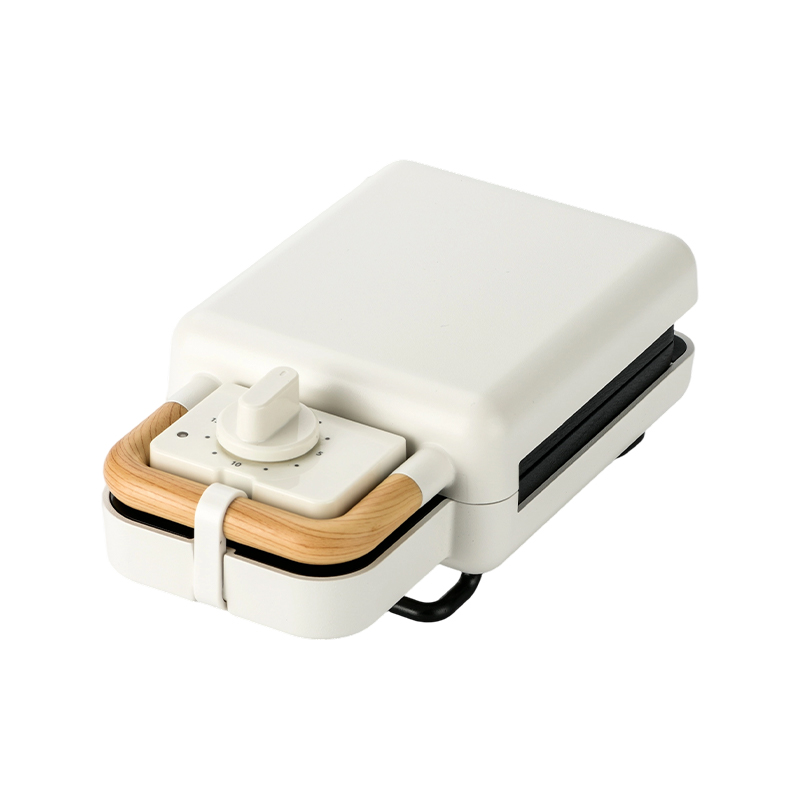
The BJX-S006 15-Minute Timer Single-Slice Plate Removable Plates Sandwich Maker offers multi-function cooking with six detachable plates: sandwich, waffle, donut, cake pop, and fish. Featuring a 15-mi...
See Details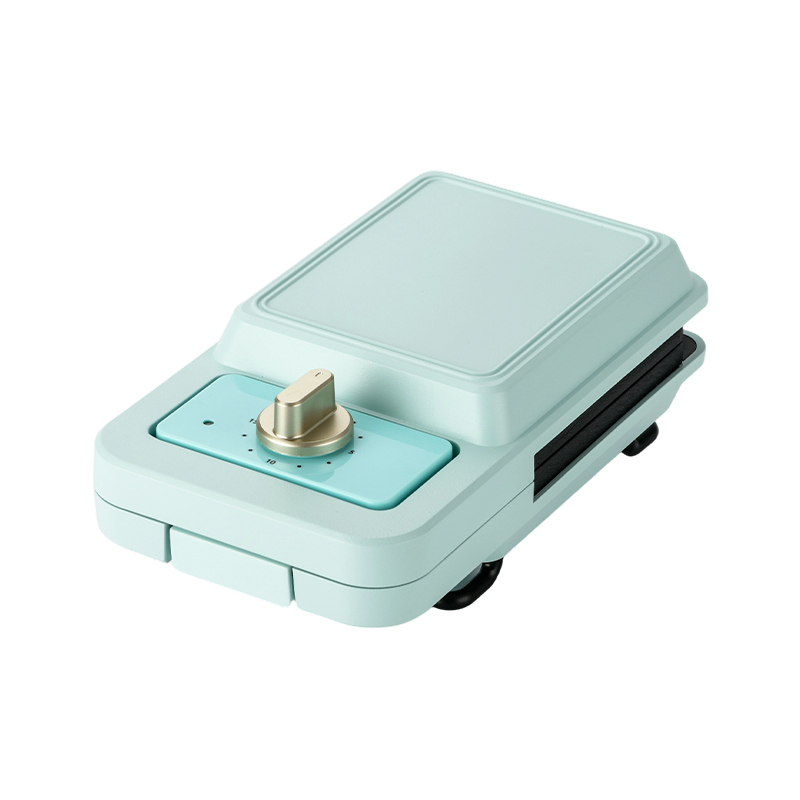
The BJX-S007 15-Minute Timer Single-Slice Sandwich Maker features six interchangeable plates: sandwich, waffle, donut, cake pop, and fish. Equipped with a 15-minute timer, it provides precise cooking,...
See Details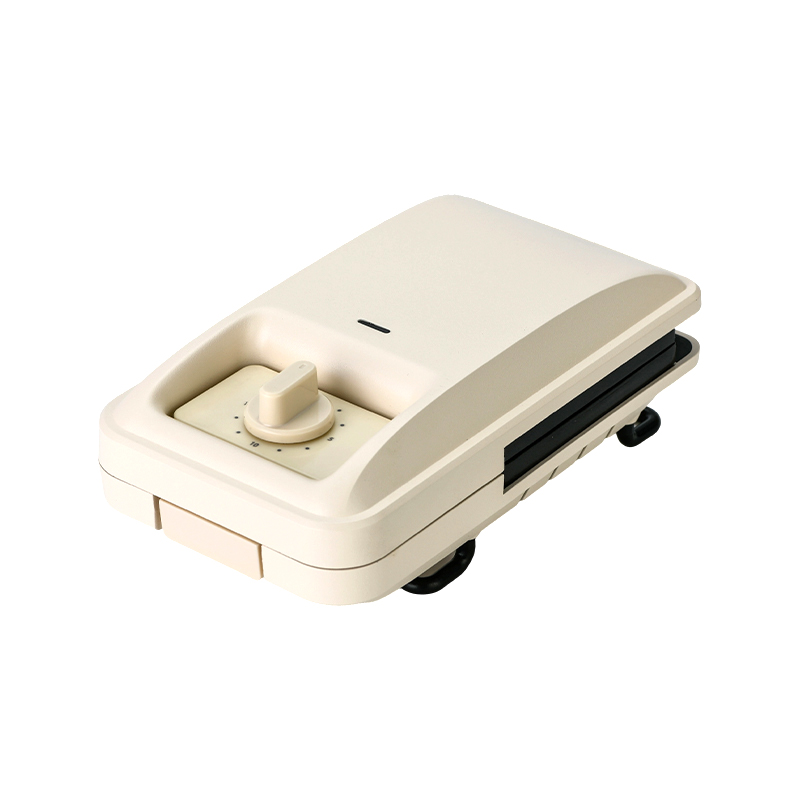
The BJX-S011 15-Minute Timer Single-Slice Removable Plates Sandwich Maker features six interchangeable plates: sandwich, waffle, donut, cake pop, and fish. Equipped with a 15-minute timer, it ensures ...
See Details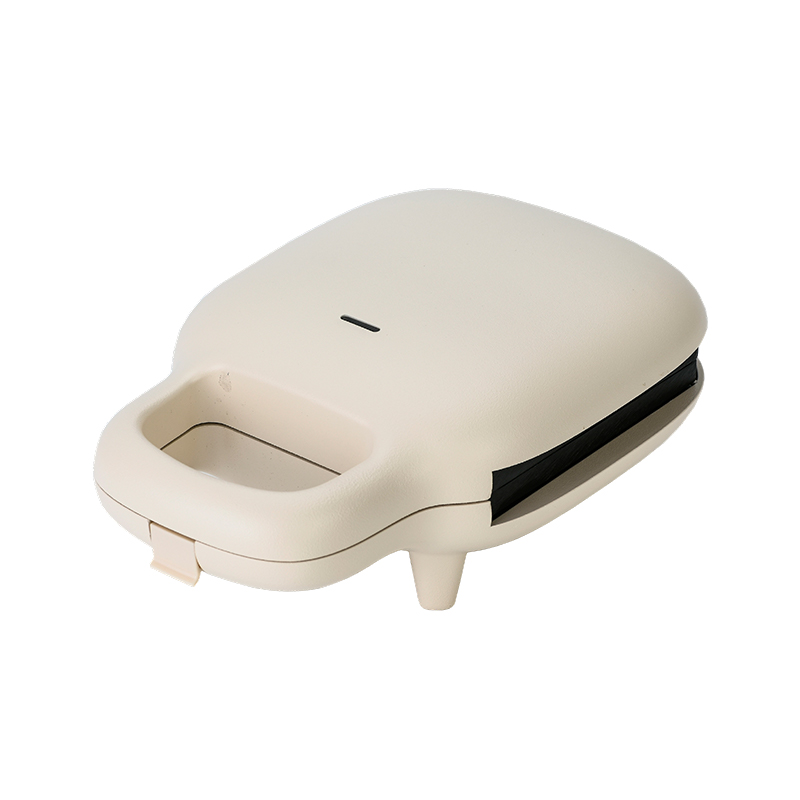
The BJX-S012 Single Slice Multifunctional Sandwich Waffle Maker features five interchangeable plates: sandwich, waffle, donut, cake pop, and fish. Detachable non-stick plates ensure easy cleaning, whi...
See Details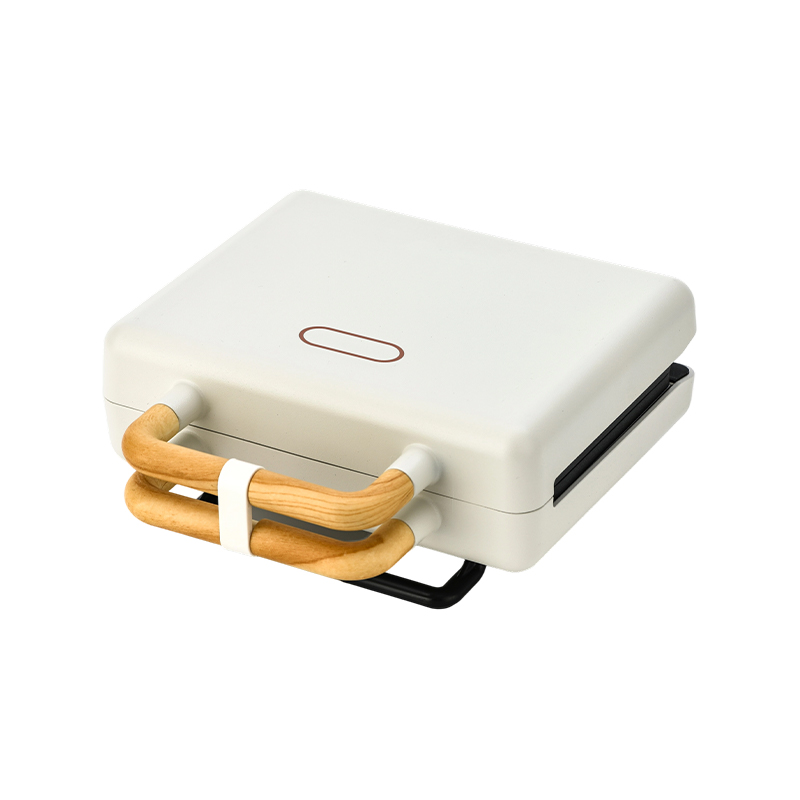
The BJX-S003C 2-slice waffle maker features fixed non-stick plates for perfectly baked, golden waffles. Its 800W high-efficiency heating ensures rapid, even baking, creating crisp and delicious waffle...
See Details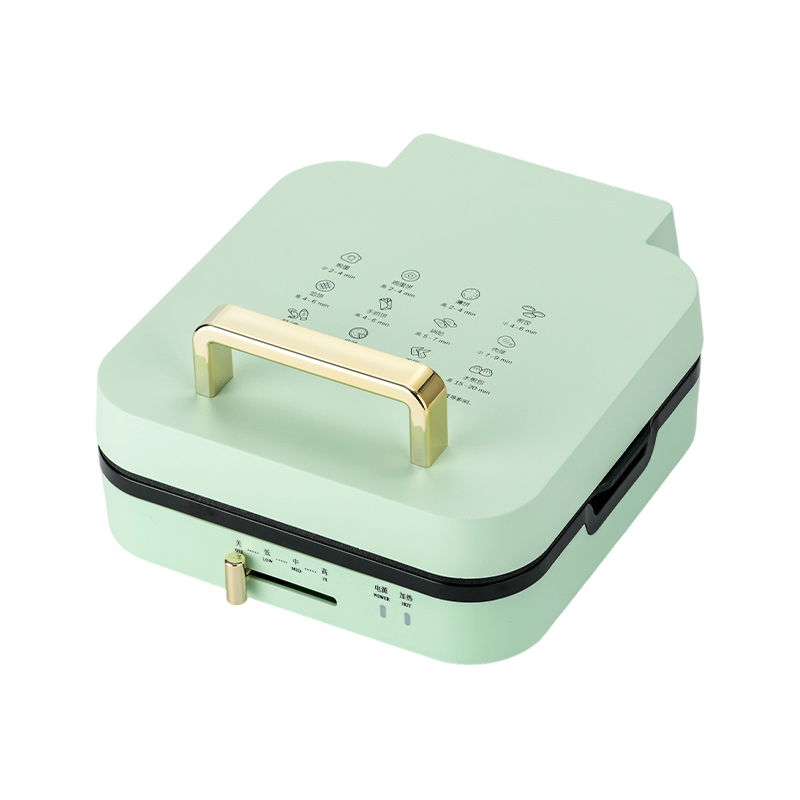
BJX-S018 – Fast, Functional, and Easy to Clean The BJX-S018 Grill Maker is built for speed and flexibility in everyday cooking. With its 3-level power switch and temperature control, it adapts to diff...
See Details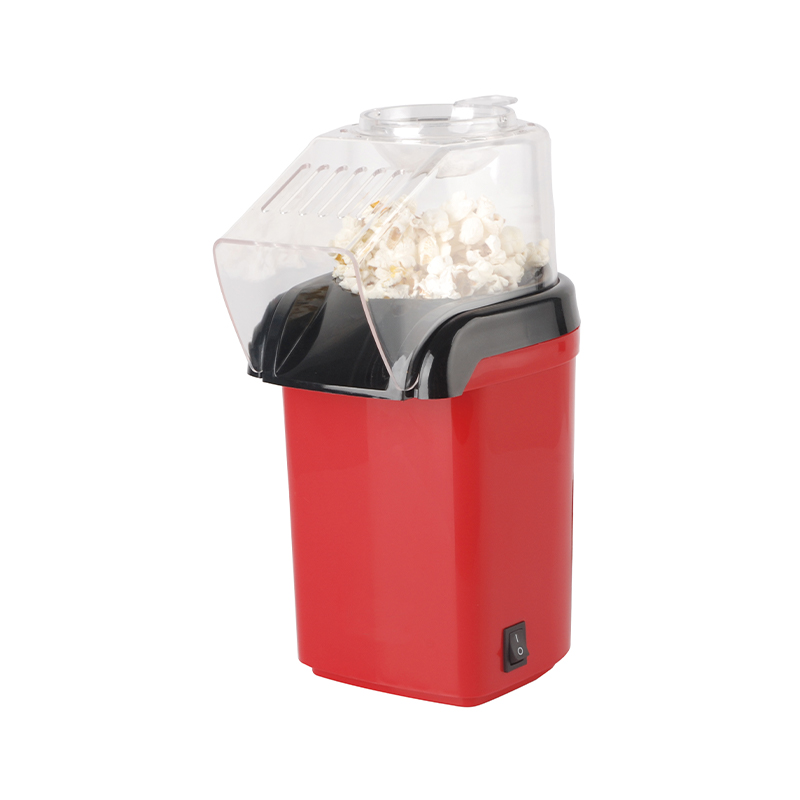
BJX-B001 – Retro Style, Healthy Popcorn Made Easy The BJX-B001 is a hot air popcorn maker with a vintage-inspired design that brings charm and functionality to your kitchen. With a 60g capacity, it ma...
See Details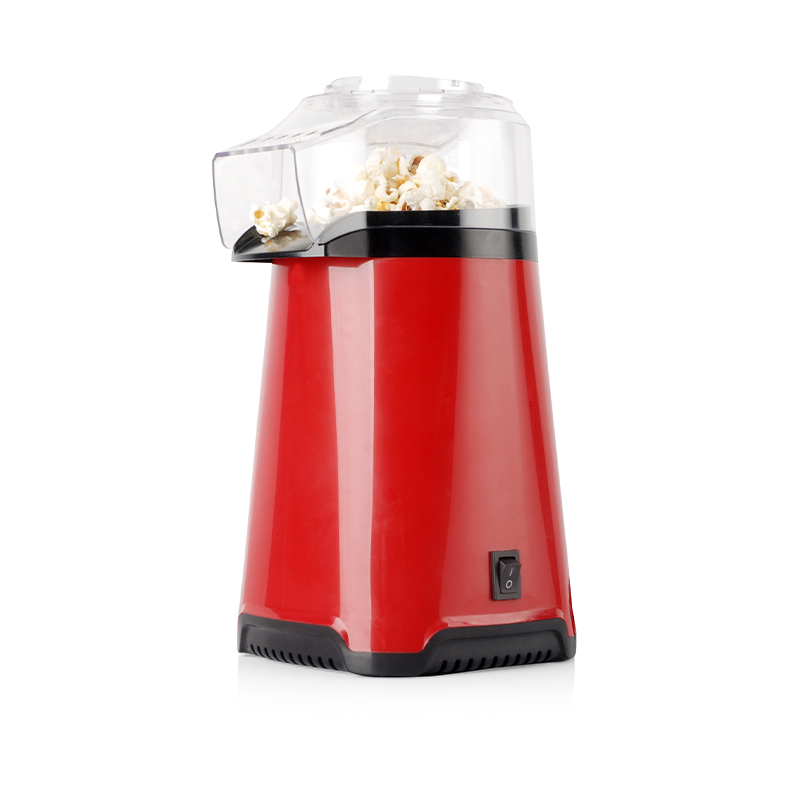
BJX-B003A – Innovative, Healthy, and Quick The BJX-B003A 60g Innovative Hot Air Popcorn Maker is designed for effortless and healthy popcorn. Featuring a 60g capacity, it produces enough popcorn for s...
See Details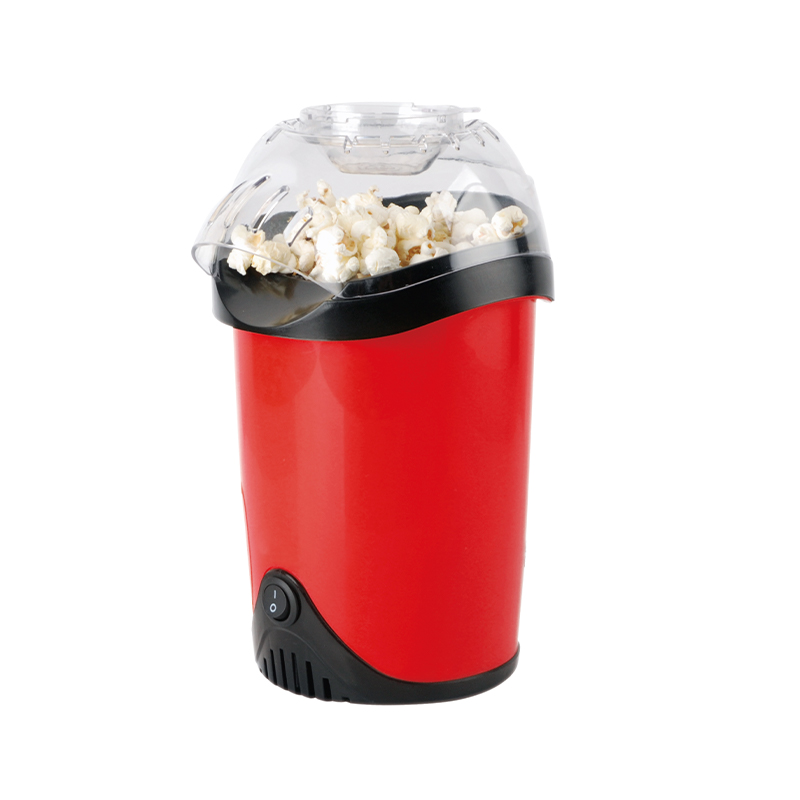
BJX-B004 – Efficient, Healthy, and Distinctive The BJX-B004 60g Hot Air Popcorn Maker No Oil offers a new level of convenience and style. Its hot air popping technology produces crispy, oil-free popco...
See Details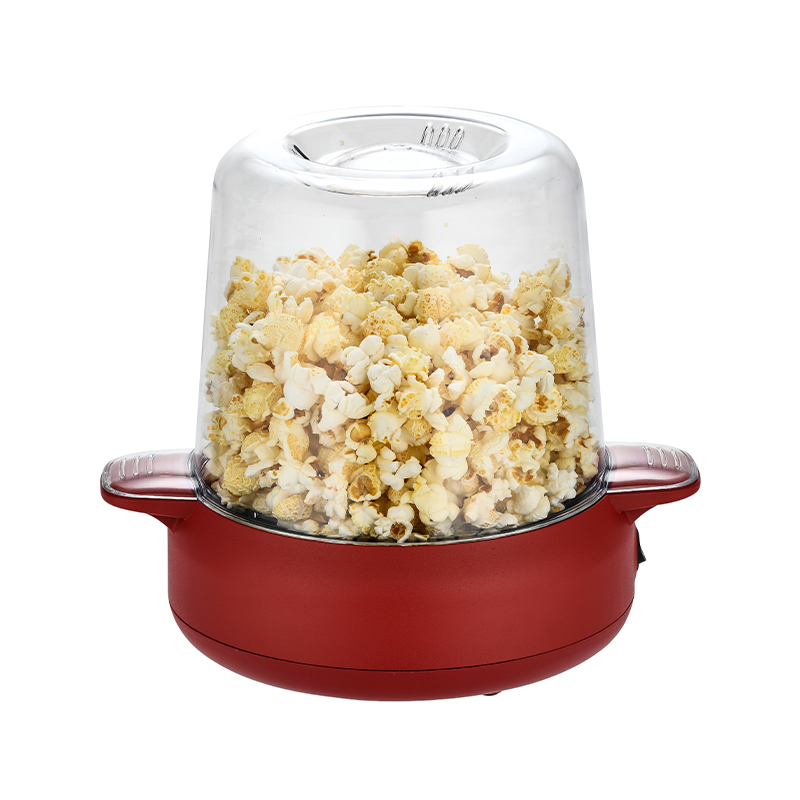
BJX-B006 – Flavorful, Crispy, and Fun The BJX-B006 100g Flavor Enhanced Oil Popcorn Machine is designed for popcorn enthusiasts who love to customize flavor. Its 100g capacity produces enough popcorn ...
See Details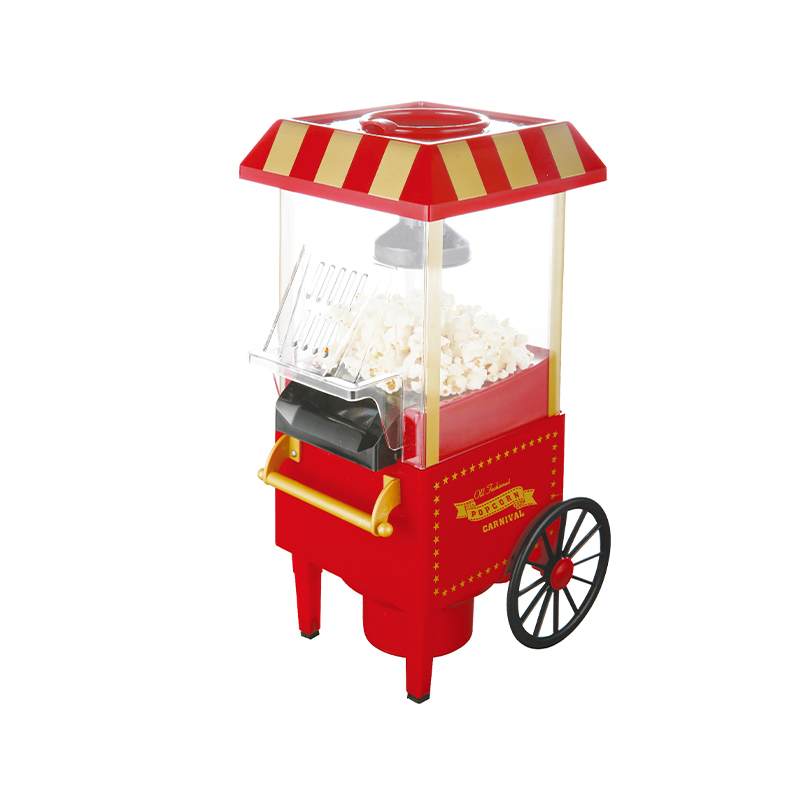
BJX-B009 – Retro Style with Mobility The BJX-B009 Retro Hot Air Popcorn Machine with Wheels is designed for users who want healthy popcorn with vintage style and practical mobility. Its Nostalgia-insp...
See Details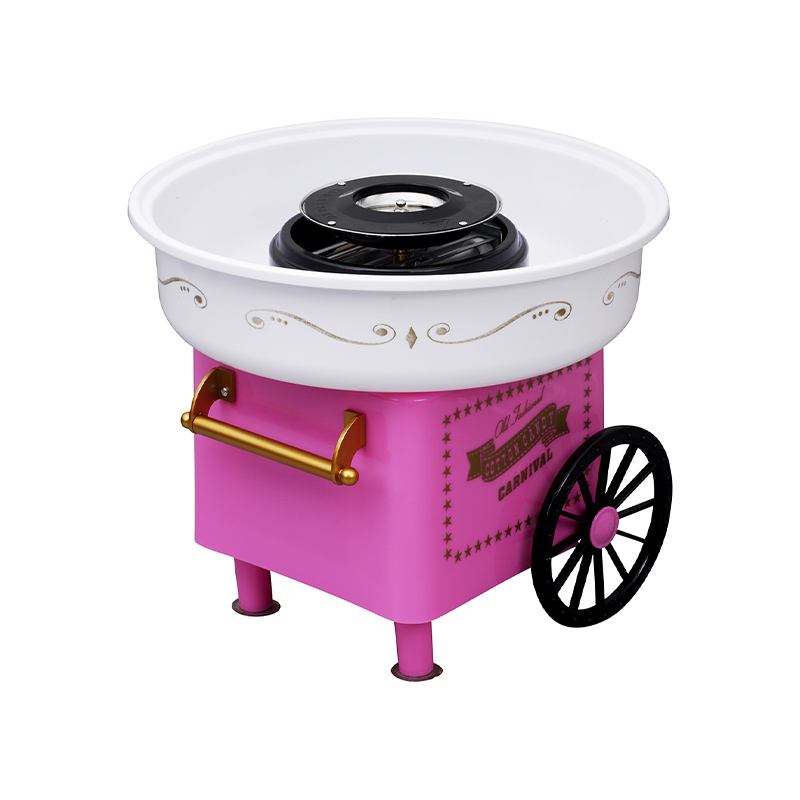
BJX-C701 – Retro Design with Complete Accessories The BJX-C701 cotton candy machine features a vintage design that adds charm to any kitchen or play area. Its built-in wheels allow for stable placemen...
See Details
Copyright © Ningbo Beijiexi Electrical Appliance Co., Ltd. All Rights
Reserved
China Small Kitchen Appliances Manufacturers Wholesale Small Kitchen Appliances Supplier
