


 English
  中文简体
中文简体  Español
  Deutsch
Removable Plate Design Plates can be detached with one click for easy cleaning under running water or in the dishwasher. Compatible with multiple optional plates (sold separately), enabling the prepar...
See DetailsChoosing the right grill maker is one of the most important decisions any outdoor cooking enthusiast will make. Whether you are a weekend backyard griller or a serious pitmaster, the features packed into your grill maker directly determine the quality, consistency, and enjoyment of every meal you cook. With hundreds of models on the market, knowing exactly what to look for cuts through the noise and puts you on the path to the perfect purchase.
The defining capability of any grill maker is how well it generates and manages heat. Look for units that offer a wide temperature range — from low-and-slow smoking temperatures (~225°F) all the way up to searing heat (700°F+). Precision temperature control separates a great grill maker from a mediocre one.
BTU rating — For gas grills, 80–100 BTUs per square inch of cooking surface is a reliable benchmark.
Multi-zone heating — Independent burner controls allow simultaneous direct and indirect cooking.
Built-in thermometer accuracy — Cheap lid thermometers can read 50–75°F off; look for grill makers with calibrated gauges or probe ports.
Heat retention — Thick cast iron or ceramic construction holds temperature more steadily than thin steel.
A grill maker must offer adequate cooking real estate for your typical usage. As a general rule, plan for 72 square inches of cooking space per person. Grate material also affects flavor, maintenance, and heat transfer.
| Grate Material | Heat Retention | Maintenance | Best For |
| Cast Iron | Excellent | High (requires seasoning) | Searing, steaks |
| Stainless Steel | Good | Low | Everyday grilling |
| Porcelain-Coated | Moderate | Very Low | Beginners, fish |
| Chrome-Plated | Low | Low | Budget models |
A quality grill maker is a long-term investment. The best models are built from heavy-gauge materials that withstand years of high heat, weather, and heavy use.
Lid and body gauge — Look for 18-gauge steel or thicker; premium models use double-wall construction.
Rust and corrosion resistance — Powder-coated or porcelain-enameled exteriors last significantly longer in humid climates.
Solid welds and tight lid seal — Poor lid seals bleed heat and smoke, costing you efficiency and flavor.
Stable base and caster locks — A grill maker that wobbles is a safety hazard; check for locking wheels on freestanding units.
The fuel source shapes the entire cooking experience. Each type of grill maker has distinct advantages depending on your lifestyle and flavor priorities.
| Fuel Type | Running Cost | Ideal User |
| Charcoal | Low | Flavor purists |
| Propane/Gas | Moderate | Everyday cooks |
| Pellet | Moderate–High | Set-and-forget BBQ |
| Electric | Low | Apartments, indoors |
Modern grill maker technology has advanced dramatically. Smart features are no longer luxury add-ons — for many users, they are essential tools for consistent results.
Wi-Fi or Bluetooth connectivity — Monitor and adjust temperature remotely via smartphone app.
Integrated meat probes — Real-time internal food temperature readings eliminate guesswork.
Automated temperature control — PID controllers (common in pellet grill makers) maintain setpoint temps within ±5°F.
Cook programs and recipes — Built-in presets guided by the manufacturer help beginners achieve expert-level results.
The best grill maker is one you actually use regularly — and that means cleanup cannot be a chore. Look for design features that minimize post-cook labor.
Removable grease trays — Slide-out or front-access drip pans make fat disposal straightforward.
Ash collection systems — On charcoal grill makers, one-touch or drawer-based ash removal saves significant time.
Porcelain-coated interiors — Smooth, non-stick surfaces wipe clean far more easily than bare steel.
Stainless burner tubes — On gas models, stainless steel burners resist clogging and are easier to inspect and clear.
Safety should never be compromised when selecting a grill maker. The following features protect both the operator and property.
Flame-failure device (FFD) — Automatically cuts gas if the flame is accidentally extinguished.
Cool-touch handles — Insulated or stay-cool lid handles prevent burns during extended cooks.
Grease fire prevention — Angled grates and channeled systems direct drippings away from the flame.
Certified testing marks — Look for CSA, UL, or CE certifications indicating the unit has passed independent safety standards.
A reputable grill maker brand stands behind its product. Warranty terms are a direct signal of build confidence.
| Warranty Tier | Coverage Period | What It Signals |
| Entry-level | 1 year | Budget brand; limited confidence |
| Mid-range | 3–5 years | Good quality; solid backing |
| Premium | 10 years – Lifetime | High confidence; heirloom-grade |
Temperature control is widely considered the most critical feature. A grill maker that cannot maintain consistent heat produces inconsistent food, no matter how advanced its other features are.
A quality gas grill maker should deliver at least 80–100 BTUs per square inch of primary cooking area. Total BTU figures are misleading without factoring in grate size.
For users who cook longer cuts like brisket or pork shoulder, yes — a smart grill maker with remote monitoring and probe thermometers pays for itself in consistency and convenience within a few cooks.
For a family of four, a primary cooking area of 400–500 square inches is generally sufficient. If you entertain regularly, consider a grill maker in the 600–700 square inch range.
Charcoal grill makers consistently rank highest for flavor due to the Maillard reaction compounds produced during combustion. Pellet grill makers offer a strong second option with the added benefit of natural wood smoke.
After each use, burn off residue at high heat, brush the grates clean, and apply a light coat of cooking oil. Store your grill maker under a weatherproof cover when not in use, especially in coastal or humid climates.
Selecting the right grill maker comes down to matching your cooking goals, household size, and available space with the features that genuinely matter. Prioritize heat control, durable construction, and a fuel type that fits your lifestyle. Treat smart features and brand warranty as tie-breakers when comparing models at similar price points.
A well-chosen grill maker will serve you for a decade or more. Take the time to evaluate these features carefully, and the investment will repay you in hundreds of great meals.
Your email address will not be published. Required field are marked*

sales@beijiexi.com
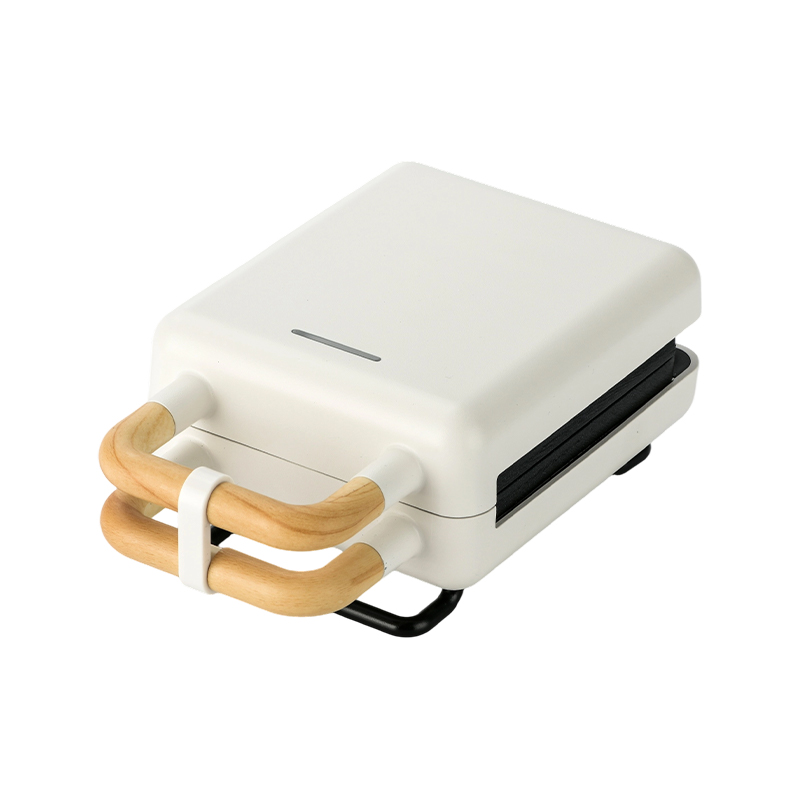
Removable Plate Design Plates can be detached with one click for easy cleaning under running water or in the dishwasher. Compatible with multiple optional plates (sold separately), enabling the prepar...
See Details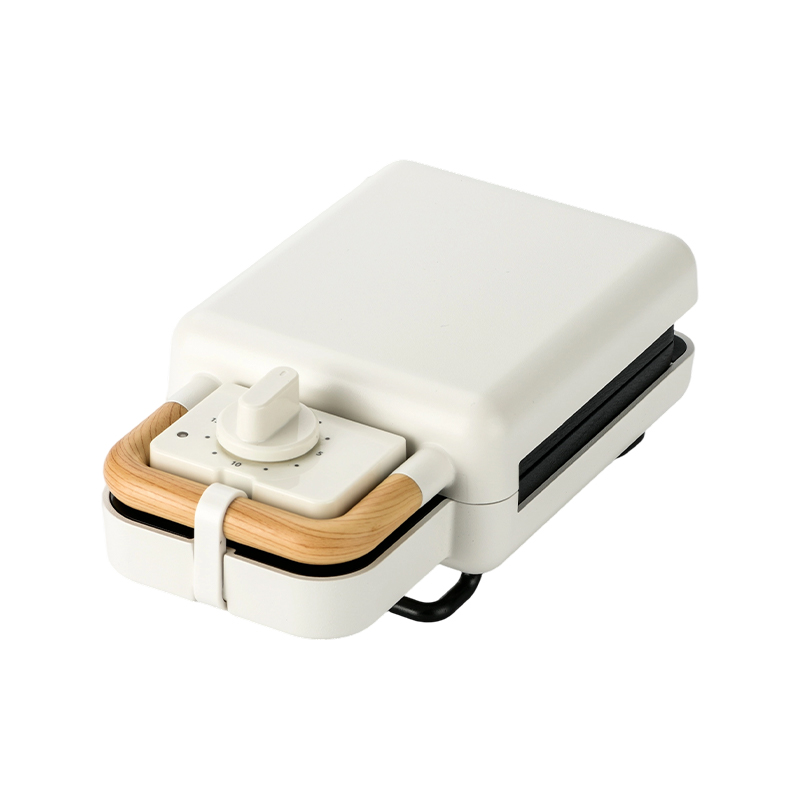
The BJX-S006 15-Minute Timer Single-Slice Plate Removable Plates Sandwich Maker offers multi-function cooking with six detachable plates: sandwich, waffle, donut, cake pop, and fish. Featuring a 15-mi...
See Details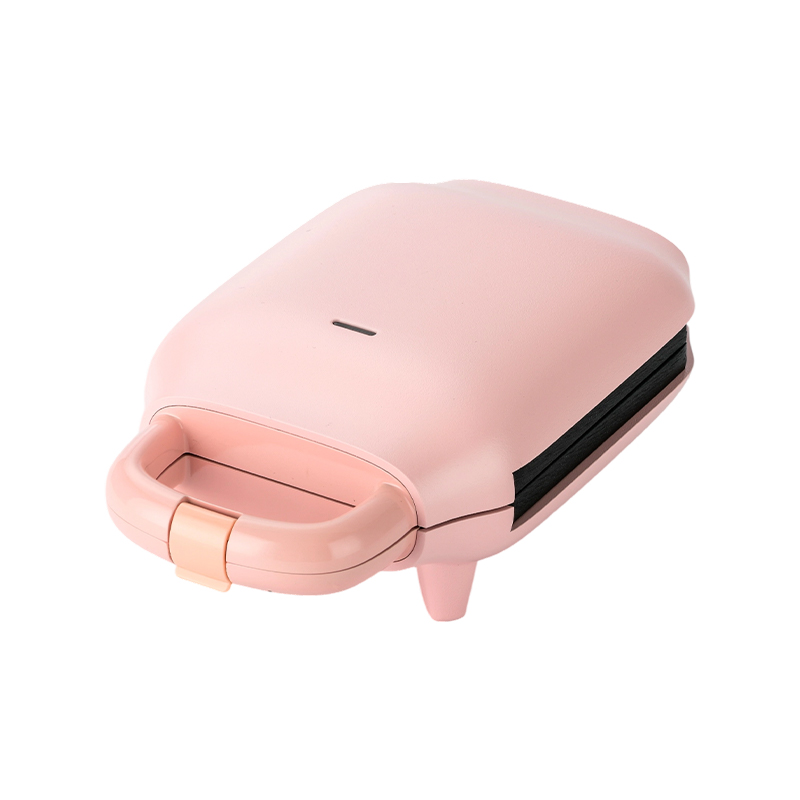
The BJX-S009 Single-Slice Removable Plates Sandwich Maker features six interchangeable plates: sandwich, waffle, donut, cake pop, and fish. Detachable non-stick plates allow easy cleaning, while the c...
See Details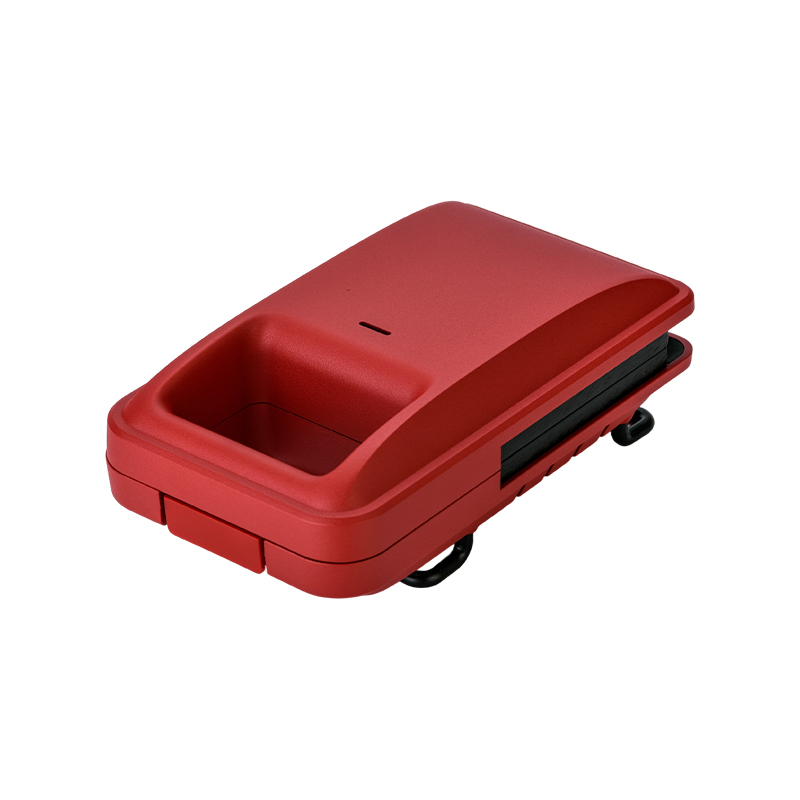
The BJX-S010 Single-Slice Removable Plates Sandwich Maker features six interchangeable plates: sandwich, waffle, donut, cake pop, and fish. Detachable non-stick plates allow easy cleaning, while the c...
See Details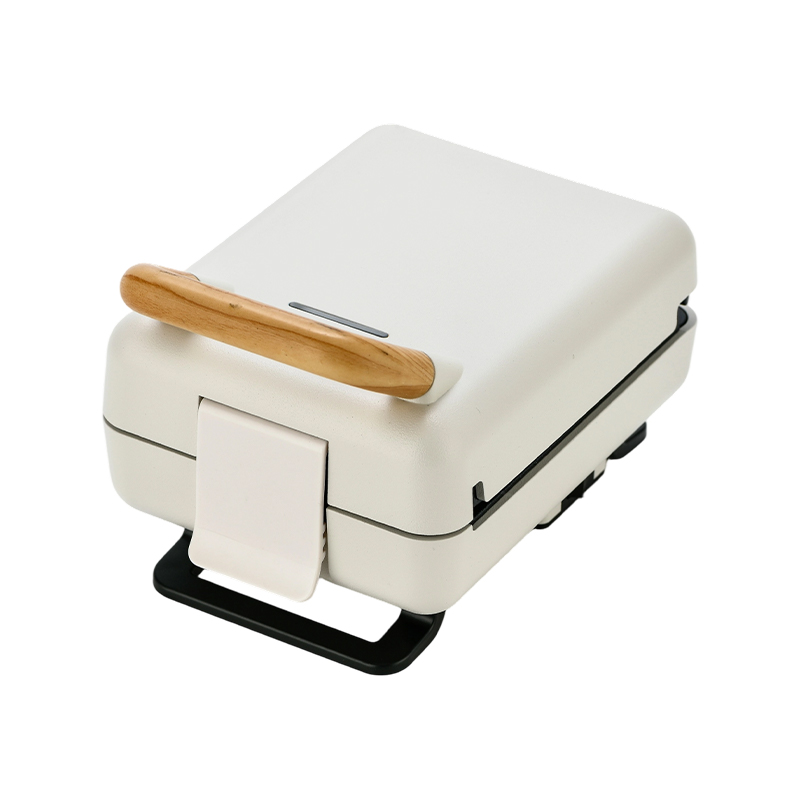
BJX-S015 – Elegant Design Meets Everyday Convenience The BJX-S015 Sandwich Maker with Wood Grain Handle and Fixed Plate is built for those who value style and functionality in their kitchen. Featuring...
See Details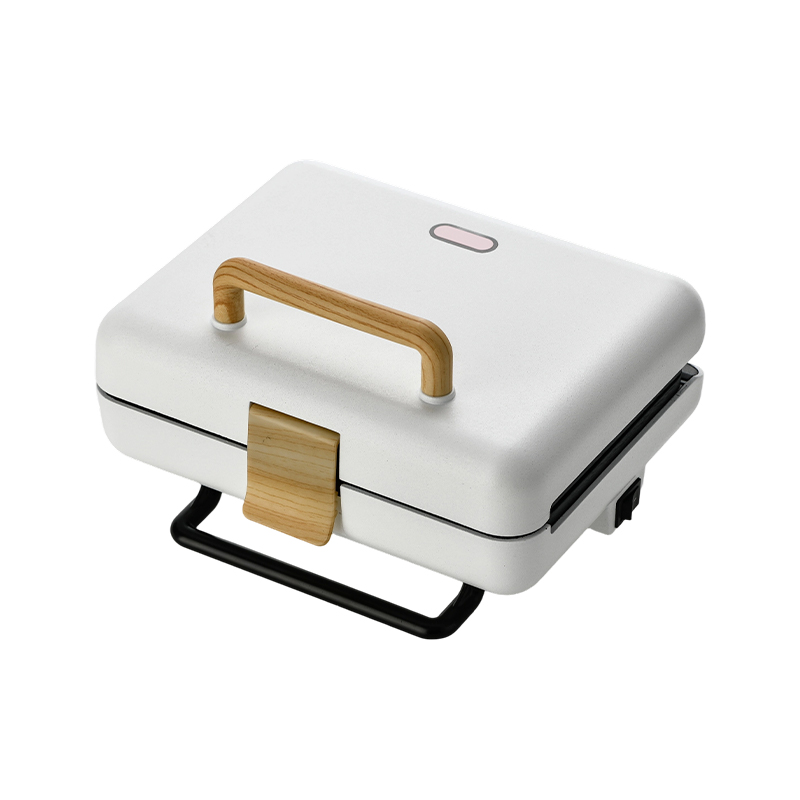
BJX-S025 – From Sandwich Press to Open Grill in Seconds The BJX-S025 is a 2-slice multi-function maker designed for ultimate versatility. Unlike standard models, it can be opened flat to 180°, instant...
See Details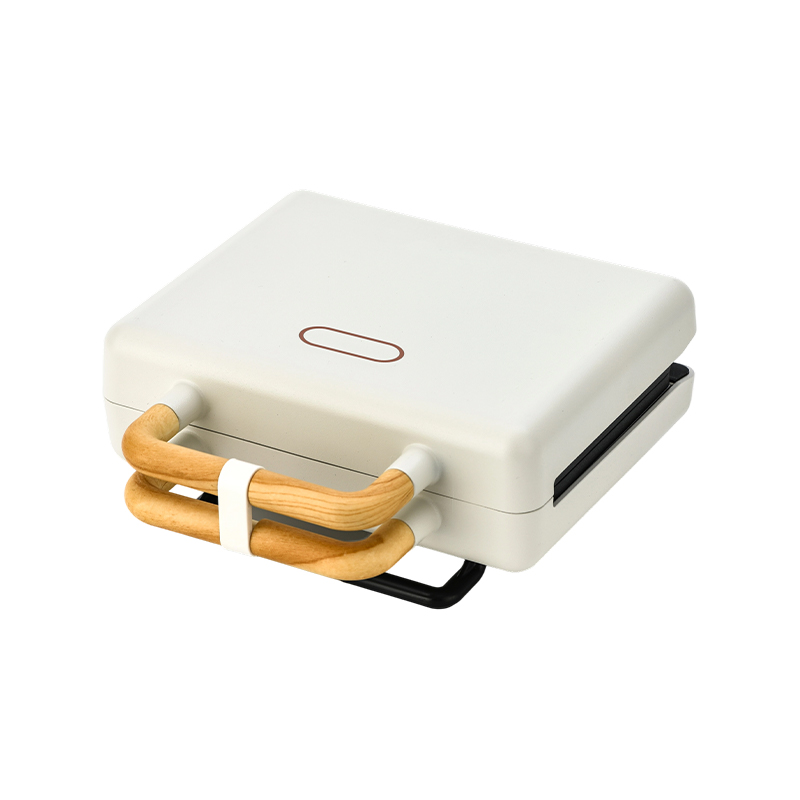
The BJX-S003C 2-slice waffle maker features fixed non-stick plates for perfectly baked, golden waffles. Its 800W high-efficiency heating ensures rapid, even baking, creating crisp and delicious waffle...
See Details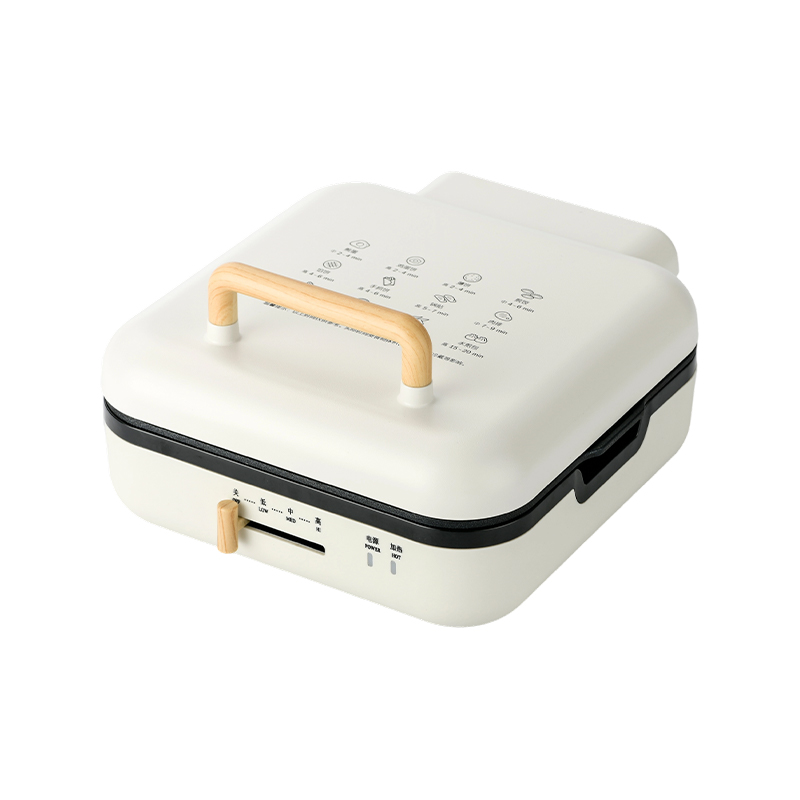
BJX-S017 – Compact, Stylish, and Easy to Control The BJX-S017 Grill Maker offers a perfect balance of size, power, and style. Equipped with a 3-level power switch and temperature control, it lets you ...
See Details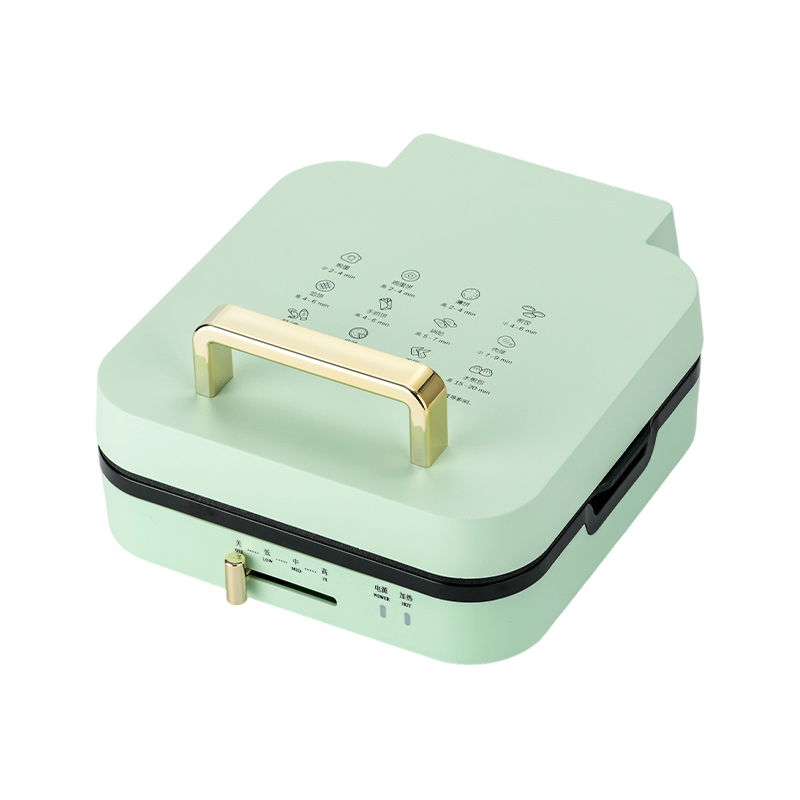
BJX-S018 – Fast, Functional, and Easy to Clean The BJX-S018 Grill Maker is built for speed and flexibility in everyday cooking. With its 3-level power switch and temperature control, it adapts to diff...
See Details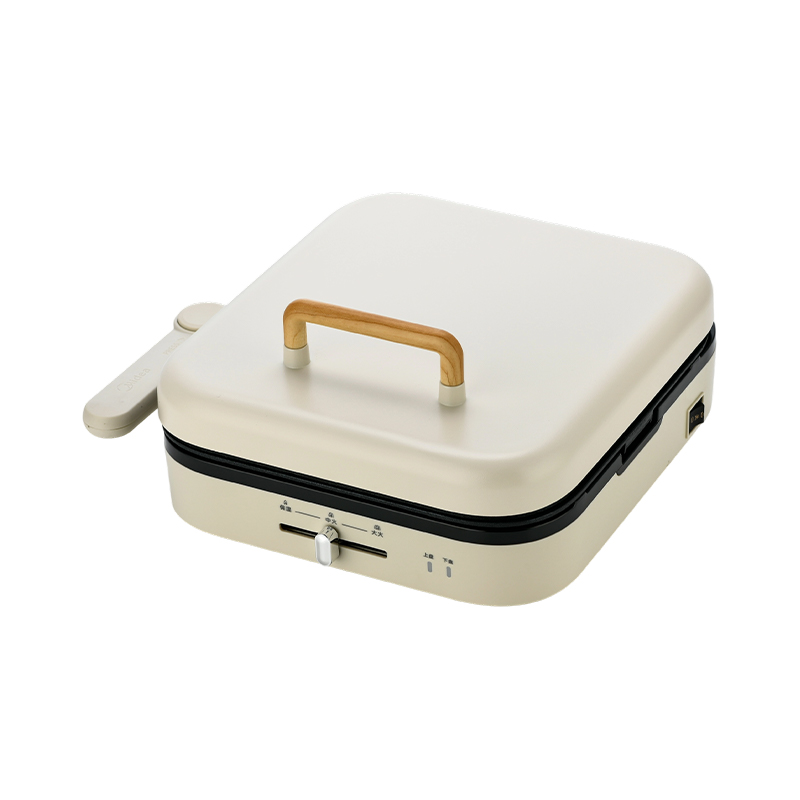
BJX-S023 – Powerful, Large, and Easy to Clean The BJX-S023 28x28cm Large-Plate with Temperature Control Panini & Grill Maker with Temperature Control is built for high-capacity, efficient cooking....
See Details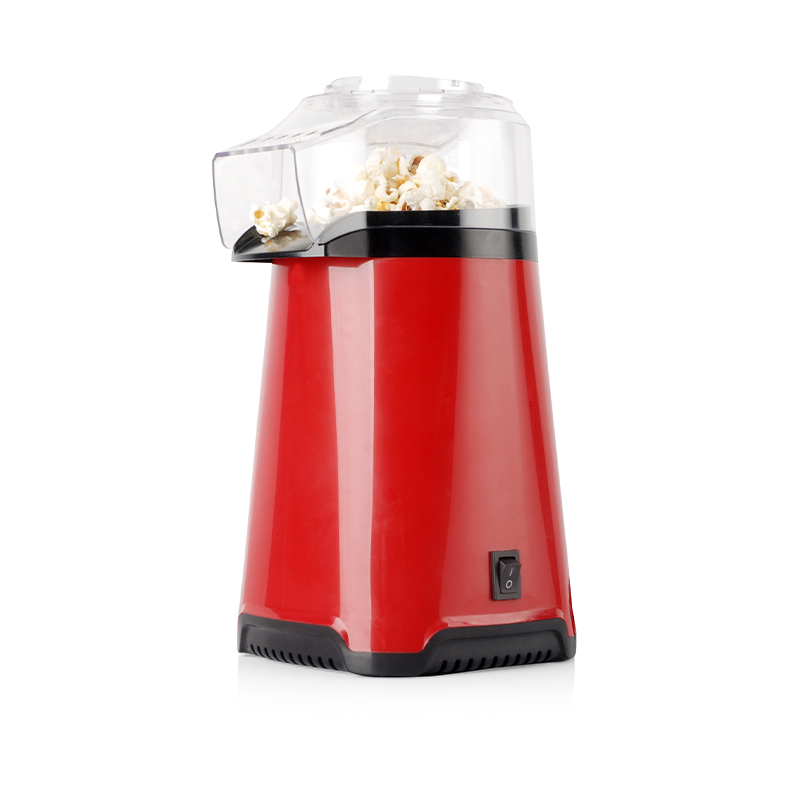
BJX-B003A – Innovative, Healthy, and Quick The BJX-B003A 60g Innovative Hot Air Popcorn Maker is designed for effortless and healthy popcorn. Featuring a 60g capacity, it produces enough popcorn for s...
See Details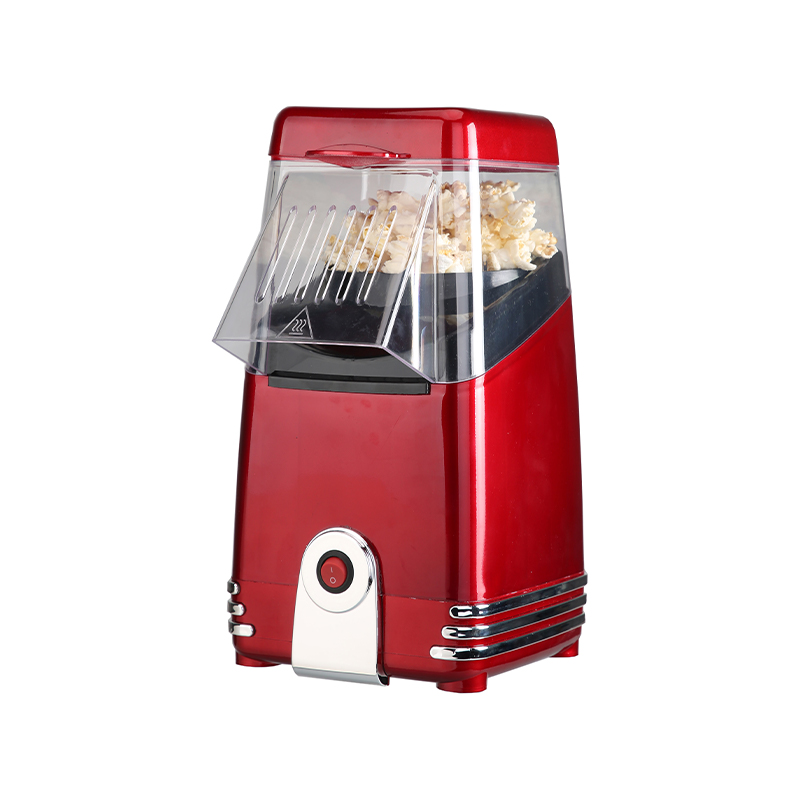
BJX-B013 – Nostalgia Design, Healthy Snacking The BJX-B013 popcorn maker features an 80g capacity and retro Nostalgia design, making it both a functional appliance and stylish kitchen accessory. Using...
See Details
Copyright © Ningbo Beijiexi Electrical Appliance Co., Ltd. All Rights
Reserved
China Small Kitchen Appliances Manufacturers Wholesale Small Kitchen Appliances Supplier
