

 English
  中文简体
中文简体  Español
  Deutsch
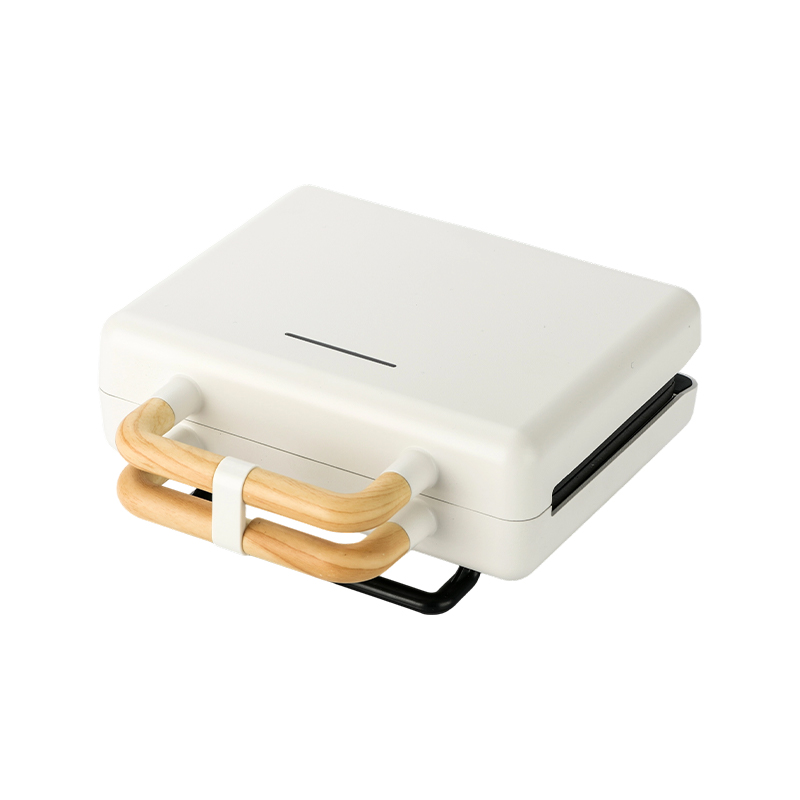
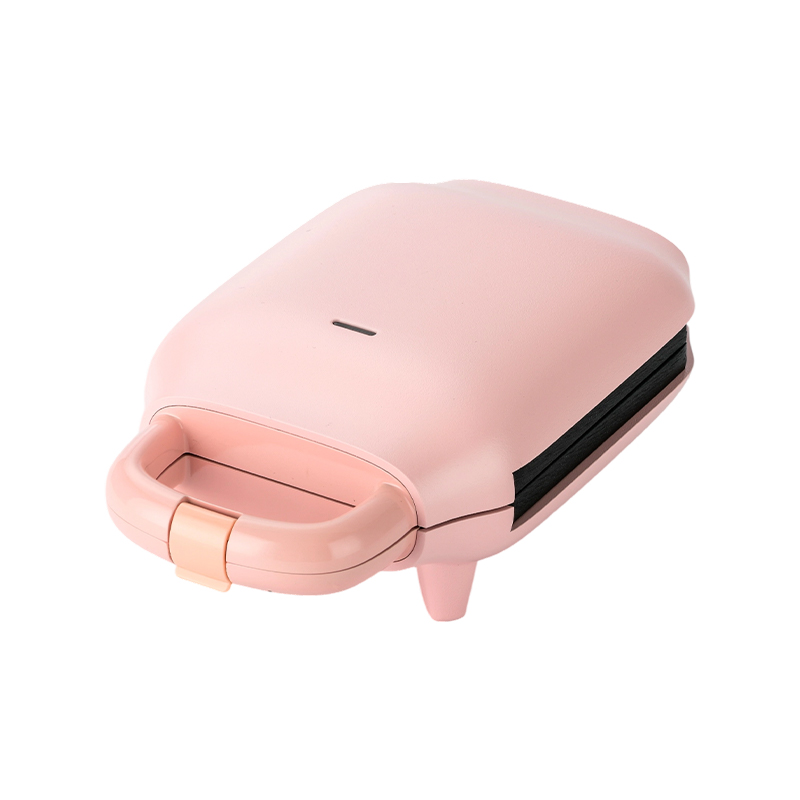
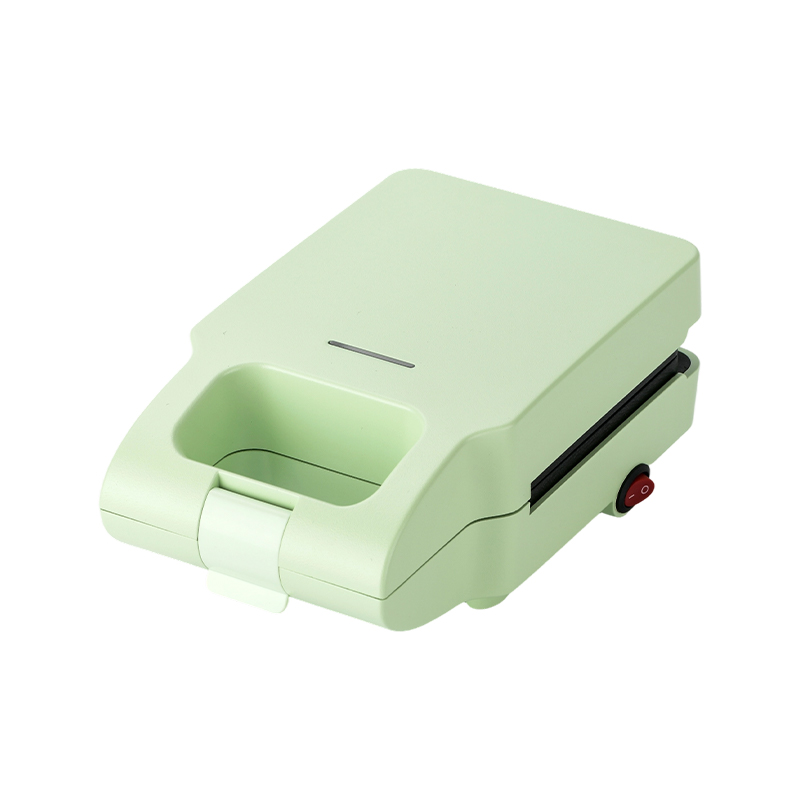
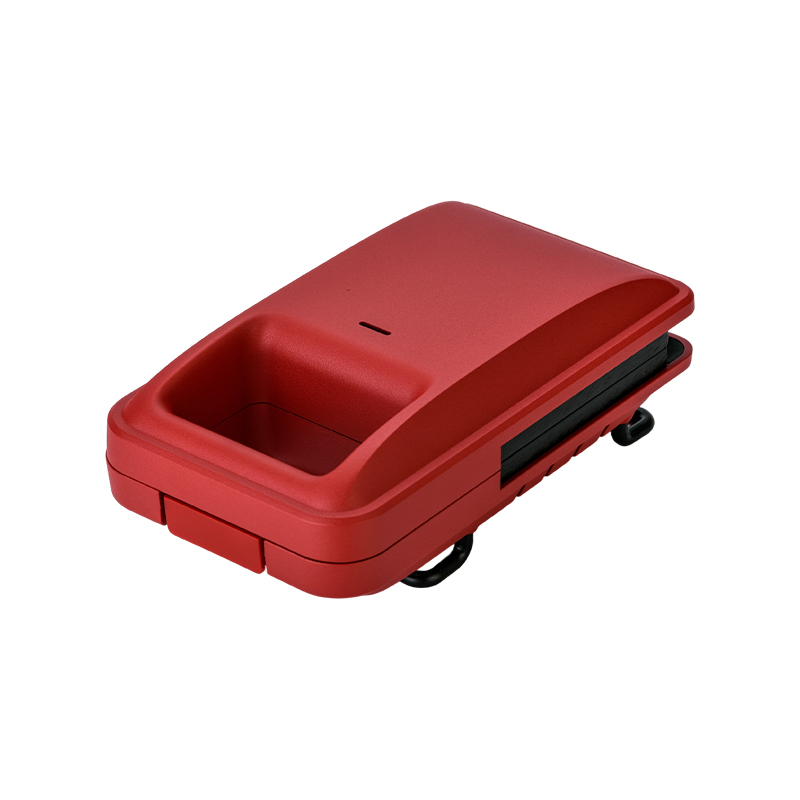
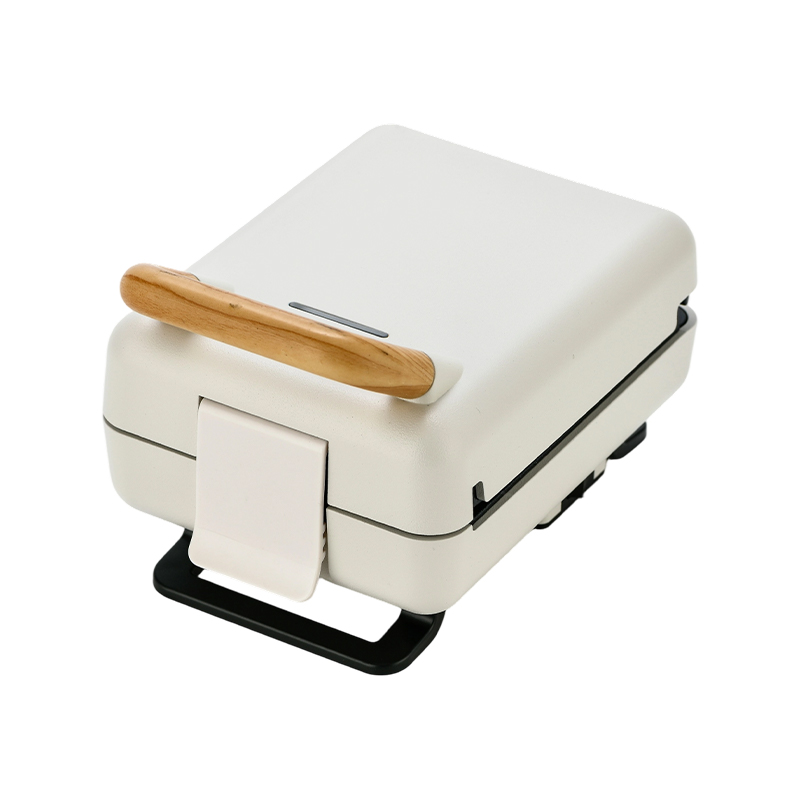
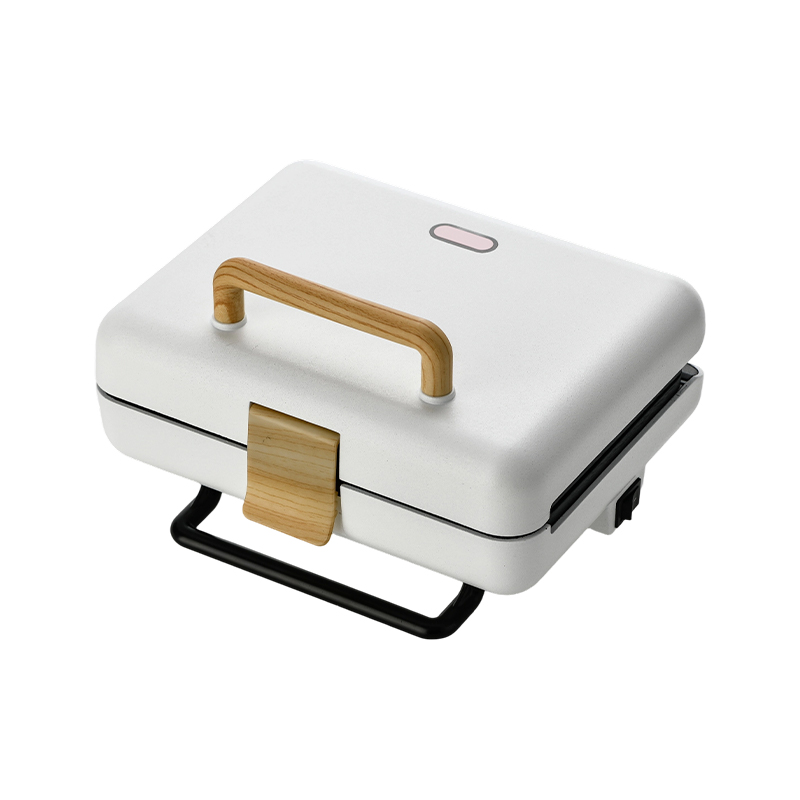
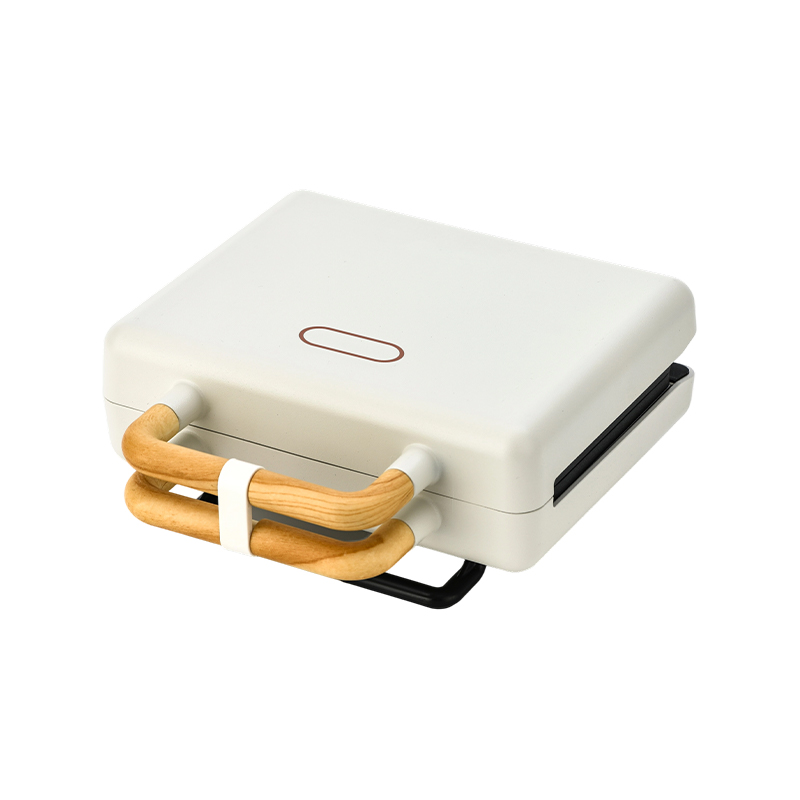
The best way to choose a sandwich maker is to match three things at once: the plate style you actually want to eat (sealed pocket, open panini, or flat griddle), a wattage between 700W and 1500W for consistent heat, and plates with a durable non-stick coating that is easy to clean. A sandwich maker is a small countertop appliance that uses two heated plates to press, seal, and toast bread with a filling inside, and the right model depends on household size, the type of sandwich you eat most often, and how much counter or storage space you have.
This guide breaks down every practical factor involved in buying a sandwich maker, compares the main plate styles side by side, and answers the questions people most often ask before purchasing one.
Types of Sandwich Makers Compared
There are three main plate designs on the market, and each produces a noticeably different result. Choosing between them is the single most important decision in the buying process.
Sealed-Edge Toastie Makers
Sealed-edge models crimp the bread together at the border, creating a fully enclosed pocket that traps melted filling inside. This style is best for soft fillings like cheese, jam, or scrambled egg that would otherwise leak out during pressing.
Open Panini Press Makers
Panini presses use ridged plates and do not seal the edges, so the sandwich keeps its normal shape but gains grill marks and a crisp exterior. This style suits thicker breads, deli meats, and grilled vegetables.
Flat Griddle Sandwich Makers
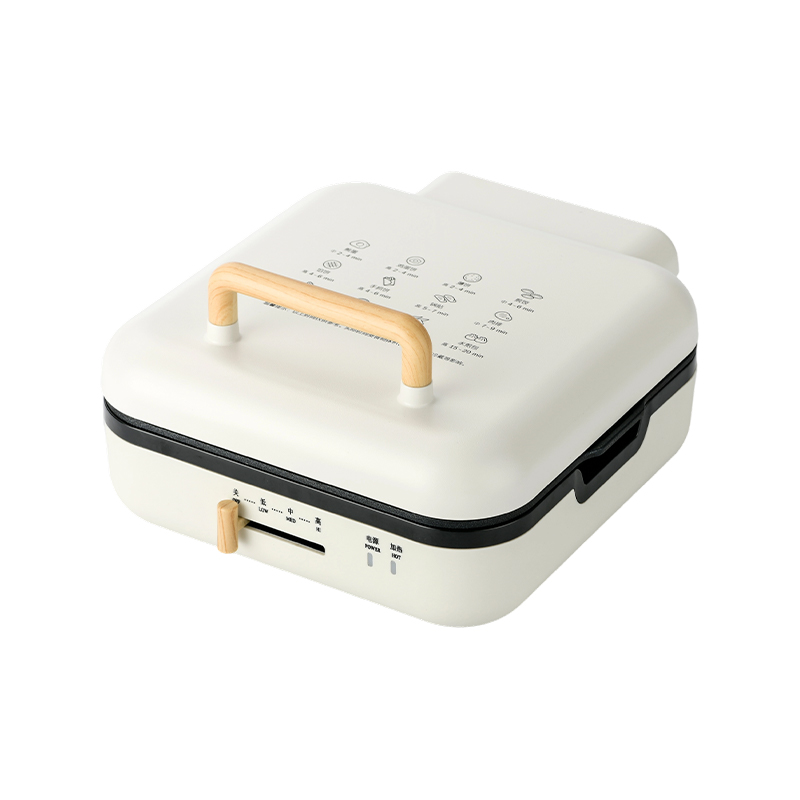
Flat plate models skip both the seal and the ridges, giving an even, smooth toast on both sides. This style works well for grilled cheese, breakfast sandwiches, and anyone who also wants to use the appliance as a mini griddle for eggs or bacon.
Best for melty, liquid, or crumbly fillings. Easiest to eat on the go.
Best for deli meats, grilled vegetables, and thicker artisan bread.
Best for grilled cheese, breakfast items, and multi-purpose cooking.
| Plate Style | Filling Suitability | Cleanup Difficulty | Typical Price Range |
| Sealed-Edge Toastie | Soft and melty fillings | Low | Budget to mid-range |
| Open Panini Press | Meats and grilled vegetables | Moderate | Mid-range |
| Flat Griddle | Breakfast and general toasting | Low to moderate | Mid to premium |
Table 1. Comparison of the three main sandwich maker plate styles.
Key Features to Check Before Buying
Beyond plate style, four technical features determine how well a sandwich maker performs day to day: plate material, wattage, capacity, and safety design.
Plate Material and Coating
Non-stick aluminum plates heat quickly and release food cleanly, making them the standard choice for most households. Ceramic-coated plates are a durable alternative that avoids PTFE-based non-stick chemistry, though they generally need a light coat of oil or butter to prevent sticking.
Wattage and Heating Speed
Higher wattage means faster preheating and more consistent browning across the plate. Entry-level units around 700W to 800W take roughly three to four minutes to preheat, while 1200W to 1500W units typically reach cooking temperature in under two minutes.
Size and Capacity
Capacity should match household size: single-slot models suit one or two people, while dual or four-slot models suit families or anyone preparing multiple sandwiches for lunch packing at once.
Safety Features
Look for a cool-touch exterior housing, an indicator light that shows when the plates are ready, and a locking latch that keeps the unit closed during storage. These features reduce burn risk and prevent the appliance from opening accidentally when picked up.
- Non-stick aluminum plates: fast heating, easy release, lowest price point
- Ceramic-coated plates: PTFE-free, slightly more scratch-resistant
- Stainless steel exterior: better heat retention on the housing, easier to wipe down
- Adjustable browning control: useful for people who prefer lighter or darker toast
Sandwich Maker vs Other Countertop Appliances
A dedicated sandwich maker is not the only way to make a hot sandwich, but it is generally the fastest and most space-efficient option for that single purpose.
| Appliance | Preheat Time | Counter Space | Best Use Case |
| Sandwich Maker | 1-4 minutes | Small | Single-serve pressed sandwiches |
| Toaster Oven | 5-8 minutes | Large | Open-faced or multi-item toasting |
| Air Fryer | 3-5 minutes | Medium | Reheating, not true pressing |
| Regular Frying Pan | 2-3 minutes | None dedicated | Manual pressing, requires attention |
Table 2. Sandwich makers compared against alternative appliances for making a hot pressed sandwich.
A sandwich maker wins on speed and simplicity for a single, consistent result, while a toaster oven or air fryer offers more general-purpose cooking at the cost of extra time and counter footprint.
Step-by-Step Buying Guide
Following a fixed order of decisions makes the purchase faster and prevents buying a model that does not fit daily habits.
- Identify the sandwich type you eat most: choose sealed-edge for melty fillings, open panini for meats, or flat griddle for versatility.
- Set a household capacity requirement: single-slot for one or two people, dual or four-slot for families.
- Check the wattage rating: 700W to 1500W depending on how quickly you need it ready.
- Confirm the plate coating type: non-stick aluminum for ease of use, ceramic for a PTFE-free option.
- Review safety features: cool-touch housing, indicator light, secure latch.
- Measure available storage space: check whether the unit stores upright or needs flat drawer space.
- Compare cleaning method: removable plates are dishwasher-safe more often than fixed plates.
Maintenance and Cleaning Tips
Cleaning a sandwich maker properly extends its lifespan and keeps the non-stick coating intact for longer.
Daily Cleaning
Wipe the plates with a damp cloth while they are still slightly warm, since crumbs and cheese residue release far more easily before they fully cool and harden.
Deep Cleaning
For models with removable plates, wash them in warm soapy water or place them in the dishwasher if the manufacturer confirms it is safe. For fixed-plate models, use a soft brush and avoid metal scouring pads, which scratch non-stick coatings and shorten their life.
Common Mistakes to Avoid
- Overfilling the sandwich: excess filling leaks out during pressing and can burn onto the plates.
- Using metal utensils: metal forks or knives scratch non-stick coatings; use silicone or wood instead.
- Ignoring wattage needs: a low-wattage unit in a busy household leads to long waits during peak breakfast hours.
- Skipping the preheat indicator: pressing bread before the plates reach temperature results in uneven, soggy toasting.
- Storing the unit while damp: moisture trapped in a closed unit promotes mold growth on rubber seals and gaskets.
Frequently Asked Questions
Is a sandwich maker worth buying if I already own a toaster oven?
Yes, if pressed sandwiches are a regular part of your routine, since a dedicated sandwich maker preheats faster and seals or presses in a way a toaster oven cannot replicate.
Can a sandwich maker be used for foods other than sandwiches?
Yes, flat griddle and open panini models are commonly used for quesadillas, grilled vegetables, and even reheating pizza slices, since the flat or ridged plates work independently of bread.
What wattage is best for a household of four?
A wattage of 1200W or higher paired with a dual or four-slot plate is generally best for a household of four, since it reduces the wait between batches during busy mealtimes.
Are removable plates better than fixed plates?
Removable plates are easier to clean thoroughly and often dishwasher-safe, while fixed plates tend to be more compact and slightly more affordable.
How long does a sandwich maker typically last?
With regular home use and proper cleaning, a well-built sandwich maker typically lasts three to five years before the non-stick coating wears down enough to affect performance.
Final Takeaway
Choosing a sandwich maker comes down to matching plate style to the sandwiches you actually eat, selecting a wattage that fits your household pace, and prioritizing a durable, easy-to-clean coating with basic safety features. A model that satisfies these three points will outperform a more expensive unit that overlooks any one of them.