

 English
  中文简体
中文简体  Español
  Deutsch
A sandwich maker is a compact kitchen appliance designed to heat, toast, and seal sandwiches by applying direct heat and pressure to bread with fillings inside. At its core, it transforms two slices of bread and a filling into a hot, sealed, crisp-edged meal in minutes. The answer to the question "What are the different types of sandwich makers?" is straightforward: they fall into three broad categories based on heating method, functional capability, and structural design. Understanding these distinctions helps you match the right appliance to your cooking habits, available counter space, and the kind of sandwiches you enjoy most.
1. Classification by Heating Method
The heating method is the most fundamental way to categorize types of sandwich makers, as it directly affects cooking speed, energy consumption, and the final texture of the sandwich. There are three primary heating methods available on the market today.
1.1 Electric Sandwich Makers
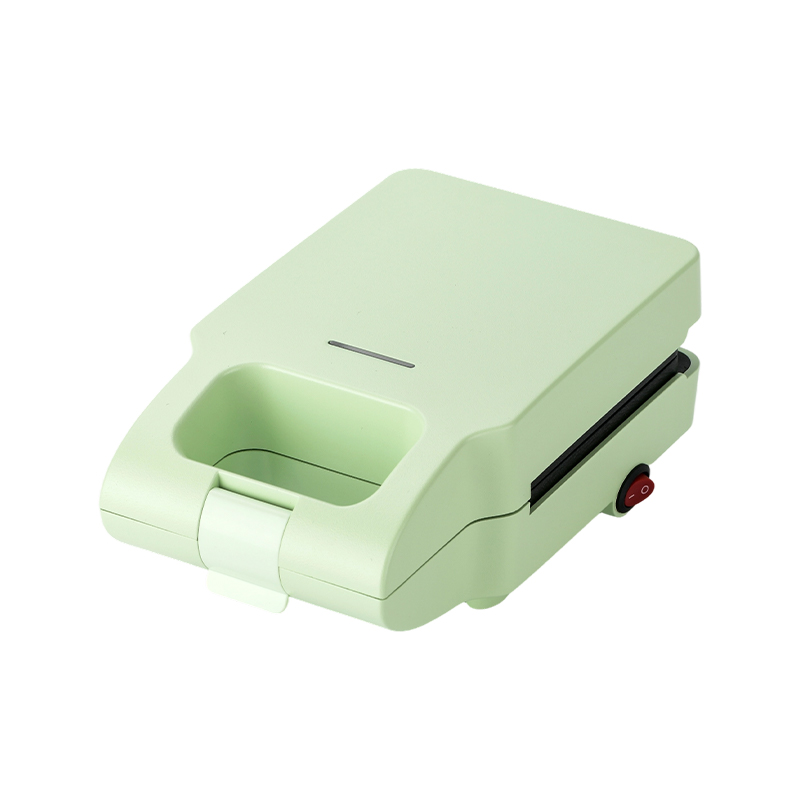
Electric sandwich makers are the most common type of sandwich maker found in households worldwide. These plug-in appliances use embedded heating elements within non-stick plates to deliver consistent, controlled heat. Most models operate between 700 and 1,200 watts, with an average preheat time of 2 to 4 minutes. According to data from the U.S. Energy Information Administration, a typical 900-watt electric sandwich maker used for 10 minutes consumes approximately 0.15 kilowatt-hours of electricity, costing roughly 2 cents per use at the average residential electricity rate of 16 cents per kWh. These appliances are prized for their convenience and safety features, including automatic temperature regulation and indicator lights that signal when the unit is ready to cook. The sealed heating environment traps steam, which helps melt cheese and warm fillings evenly while crisping the bread exterior.
1.2 Stovetop Sandwich Makers
Stovetop sandwich makers operate without electricity by absorbing heat directly from a gas or electric burner. These types of sandwich makers are constructed from cast aluminum or cast iron and consist of two hinged plates with long handles. The key advantage is zero electricity consumption and the ability to achieve higher temperatures than many electric models, which produces a deeper, more caramelized crust. A 2023 consumer survey by the Home Cooking Association found that 18% of households that regularly make toasted sandwiches prefer stovetop models for their durability and the nostalgic flavor they impart. Cast iron variants retain heat exceptionally well but require seasoning and careful cleaning to prevent rust. They are also fully immersible in water once cooled, making them easier to sanitize than electric units with non-detachable plates. The trade-off is that stovetop models demand more attention during cooking since there is no automatic temperature control.
1.3 Microwave Sandwich Makers
Microwave sandwich makers are specialized containers that use microwave radiation to heat sandwich ingredients rapidly. These types of sandwich makers are typically made from microwave-safe plastic or silicone and feature divided compartments that hold bread and fillings. Cooking time averages 60 to 90 seconds, making them the fastest option available. However, they do not produce a crisp exterior because microwaves heat food by agitating water molecules rather than applying dry radiant heat. The result is a hot, steamed sandwich rather than a toasted one. According to a 2024 report by the International Microwave Power Institute, microwave sandwich makers account for approximately 7% of the sandwich maker market by unit volume. They are most popular among students, office workers, and individuals with limited kitchen facilities. Their lightweight construction and low cost make them accessible, though the textural outcome differs significantly from electrically toasted alternatives.
Electric
Power draw: 700–1,200 watts
Preheat: 2–4 minutes
Best for: Convenience & consistency
Stovetop
Power draw: 0 watts
Preheat: 3–5 minutes
Best for: High heat & durability
Microwave
Power draw: Depends on microwave
Cook time: 60–90 seconds
Best for: Speed & portability
2. Classification by Functionality
Beyond how they generate heat, sandwich makers can be grouped by what they are capable of doing. Functionality determines whether the appliance is a single-purpose tool or a versatile kitchen workhorse. The four main functional categories are detailed below.
2.1 Basic Press Sandwich Makers
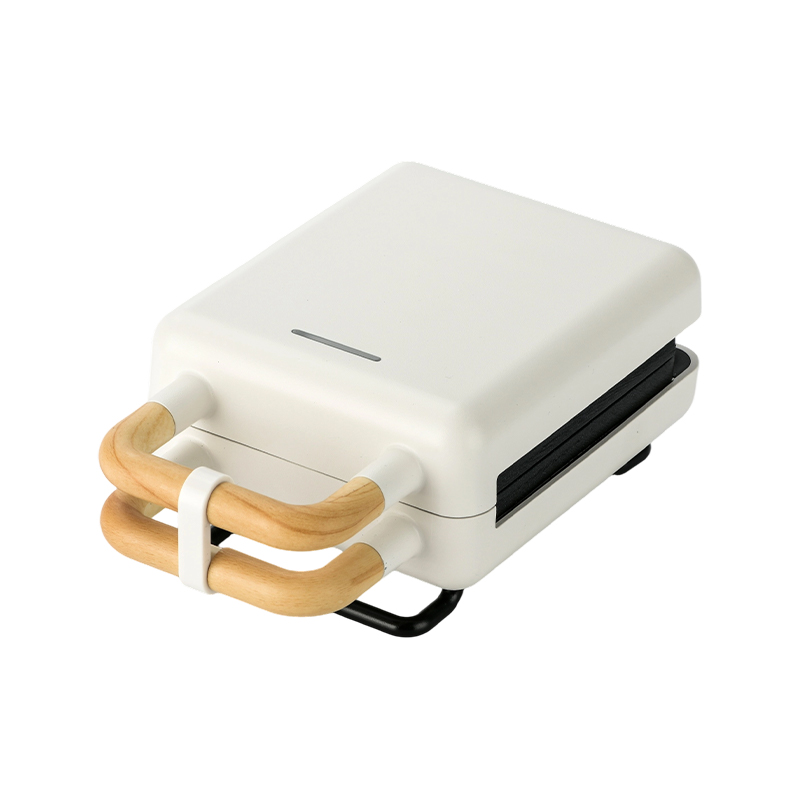
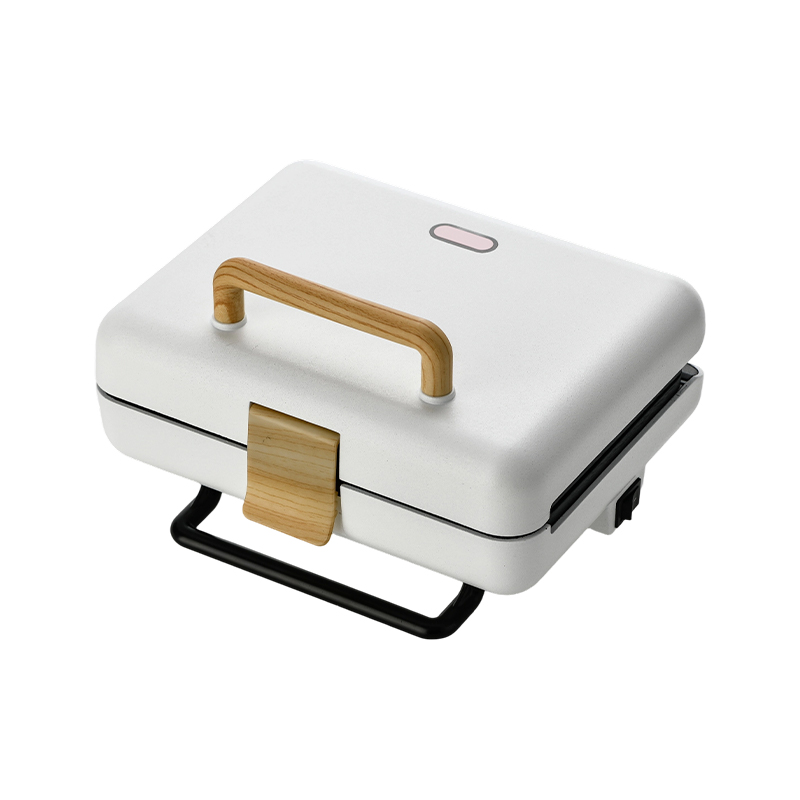
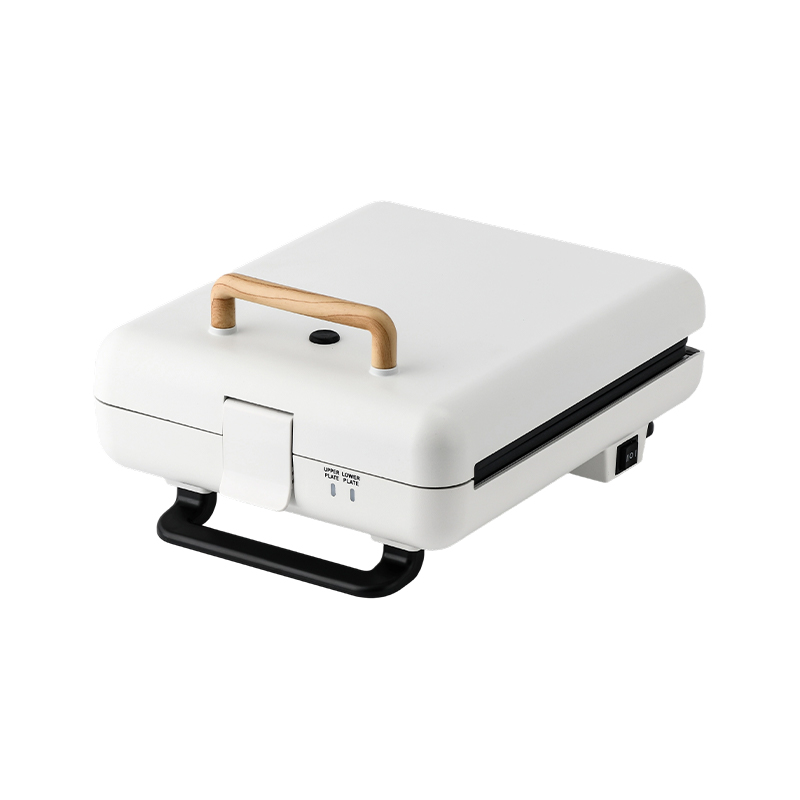
Basic press models are the most affordable and straightforward types of sandwich makers. They feature fixed, non-removable plates with a single function: pressing and sealing two slices of bread into triangular halves. These units typically cost between $12 and $35 and weigh under 3 pounds. The heating plates are molded with triangular divider ridges that simultaneously crimp the bread edges together and create a perforation line down the center for easy splitting. According to retail sales data from the National Housewares Association, basic press models represent roughly 45% of all sandwich maker units sold annually in the United States. Their simplicity means fewer components that can fail, and many units continue functioning for over a decade with minimal maintenance. The main limitation is that they cannot accommodate thick artisan breads or oversized fillings due to the shallow plate depth, which averages 0.5 to 0.75 inches.
2.2 Multi-Function Sandwich Makers with Interchangeable Plates
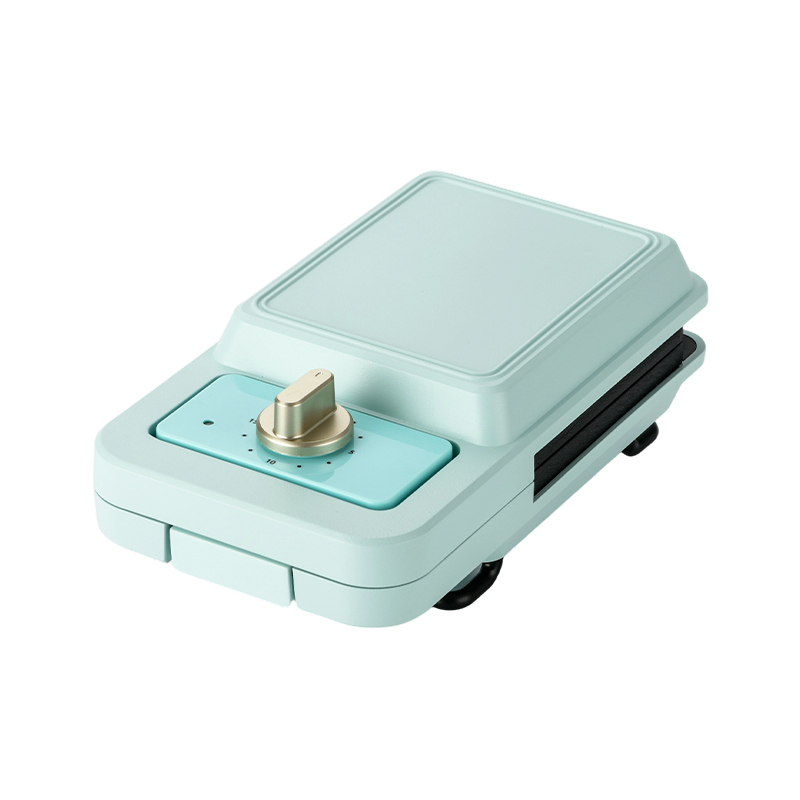
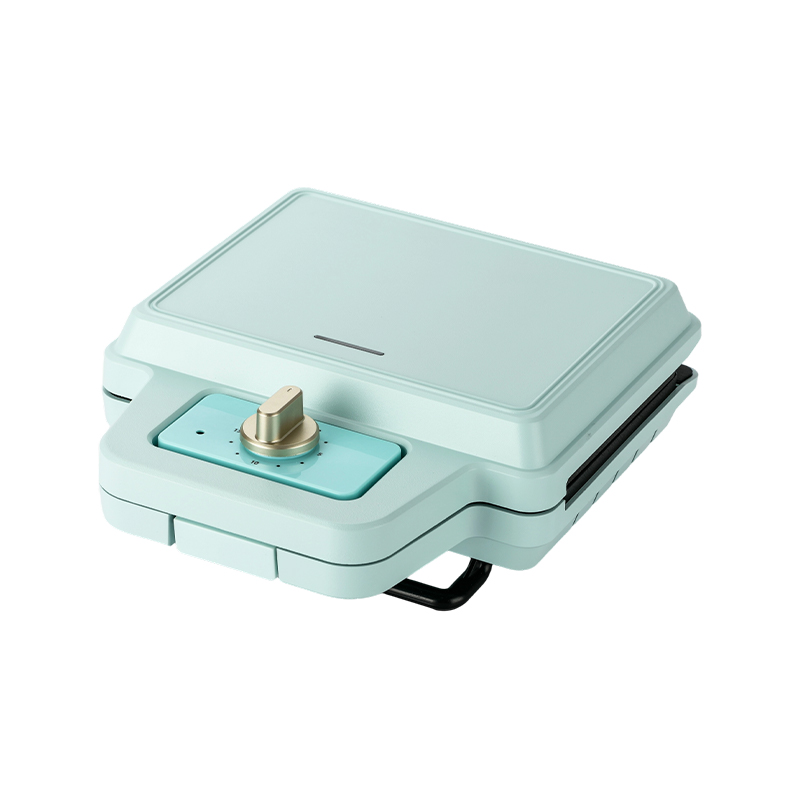
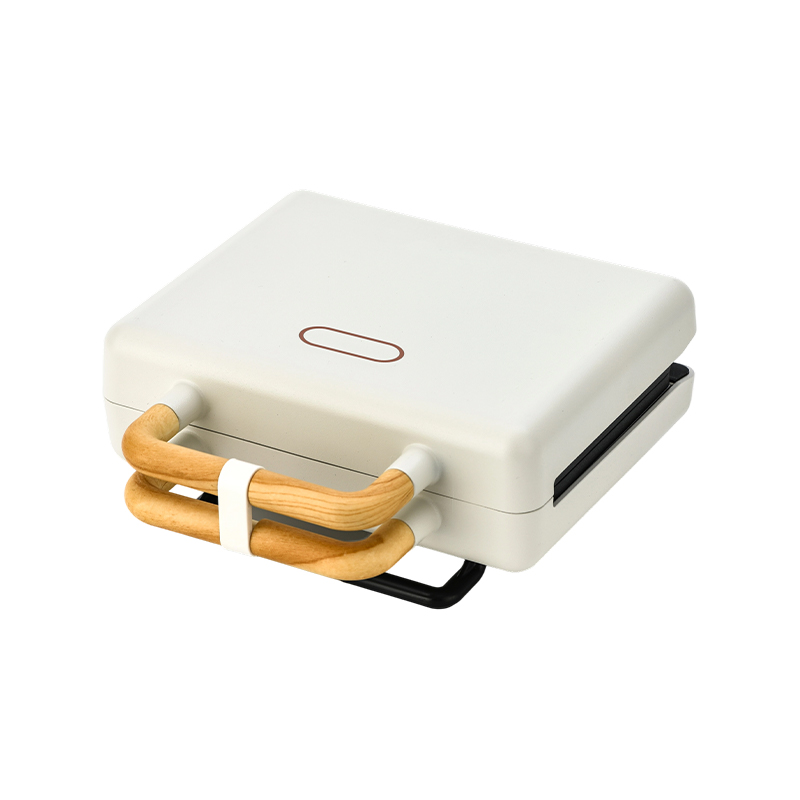
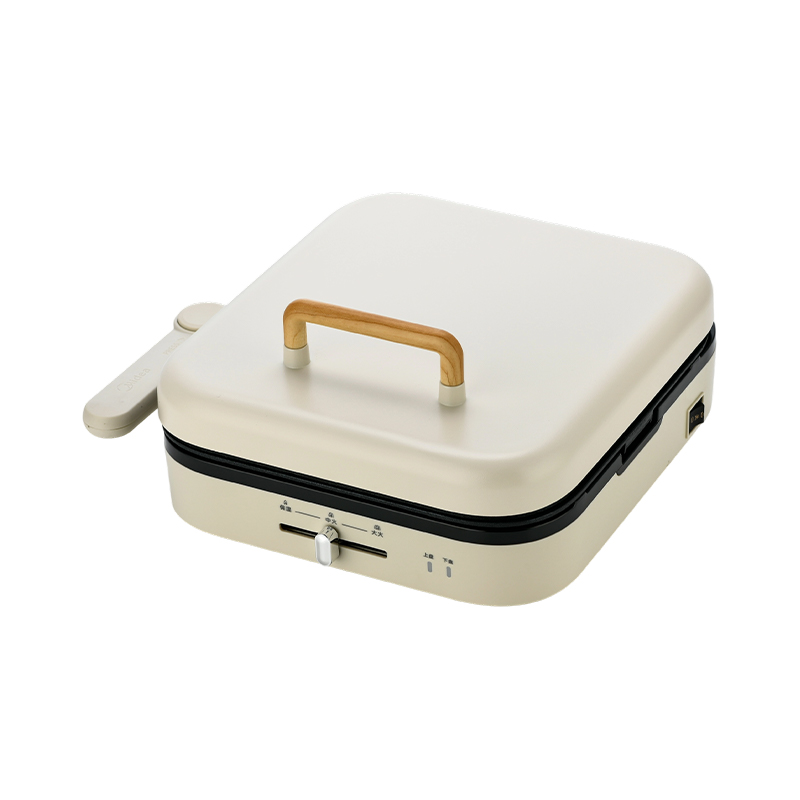
Multi-function models are types of sandwich makers that accept removable, swappable cooking plates. A single base unit can transform into a sandwich press, a waffle iron, a grill, or a griddle by clicking in different plate sets. These appliances typically range from $40 to $120 and come with 3 to 6 plate sets in the box. The removable plates are dishwasher-safe, which addresses the number one complaint about fixed-plate models: difficult cleaning. A 2025 consumer preference study published in Kitchen Appliance Quarterly found that 67% of buyers who upgraded from a basic press to a multi-function unit cited easier cleaning as the primary motivation. The heating element in these units is housed in the base and lid, and heat transfers to the plates through direct contact. This modular design extends the appliance's utility beyond sandwiches to pancakes, eggs, grilled vegetables, and even baked goods, effectively replacing several single-purpose appliances. The trade-off is increased storage space for the extra plates and a slightly higher initial cost.
2.3 Panini Press and Grill Machines
Panini presses are types of sandwich makers designed with flat or lightly ridged plates and a floating hinge mechanism that adjusts to the thickness of the sandwich. Unlike sealed-edge presses, panini makers do not crimp the bread closed. They apply top-down pressure to compress the sandwich while grilling both sides simultaneously, producing distinctive char marks and a flattened profile. The floating hinge accommodates sandwiches up to 2.5 inches thick, making them suitable for ciabatta rolls, focaccia, and stacked deli sandwiches. According to the Specialty Food Association, panini-style sandwiches grew in restaurant menu penetration by 22% between 2019 and 2024, which has driven corresponding demand for home panini equipment. These appliances typically operate at 1,000 to 1,500 watts and feature adjustable temperature controls ranging from 250°F to 450°F. The flat plate design also makes them useful for grilling chicken breasts, vegetables, and flatbreads, positioning them as a hybrid between a sandwich maker and a countertop grill.
2.4 Waffle-Style Sandwich Makers
Waffle-style sandwich makers are specialized types of sandwich makers that imprint a waffle pattern onto bread while toasting it. These units use deeper grid plates than standard presses, creating pockets that trap melted cheese, sauces, and fillings. The resulting sandwich has a distinctive honeycomb texture with crispy peaks and softer valleys. This category has gained traction through social media food trends, with hashtag views for waffled sandwiches exceeding 380 million on major platforms as of early 2025, according to social analytics firm TrendScope. These appliances typically offer dual functionality with separate waffle and sandwich plates included. The deeper grid design requires slightly more batter or thicker bread to fill the cavities properly. Cooking time averages 4 to 6 minutes, and the non-stick coating is essential for releasing the waffle pattern cleanly. Prices range from $25 to $70 depending on plate interchangeability and brand positioning.
3. Classification by Structural Design
Structural design defines how the sandwich maker physically accommodates bread, how it seals edges, and how many sandwiches it can produce simultaneously. These design choices have practical implications for serving size, storage, and the types of bread that can be used.
3.1 Single-Slot vs. Double-Slot Models
Single-slot types of sandwich makers produce one sandwich per batch, while double-slot models make two simultaneously. Single-slot units are more compact, typically measuring 8 to 10 inches in width, and consume 600 to 800 watts. Double-slot models measure 11 to 14 inches wide and draw 900 to 1,200 watts. For households with two or more people, double-slot models cut meal preparation time in half. A family of four can prepare sandwiches for everyone in two batches with a double-slot unit versus four batches with a single-slot model. The counter space trade-off is approximately 30% more width for double-slot units. Some triple-slot and quad-slot commercial models exist for high-volume use, but these are uncommon in residential kitchens due to their size and power requirements exceeding 1,800 watts.
3.2 Triangle-Seal vs. Flat-Pocket Designs
The triangle-seal design is the classic type of sandwich maker configuration that divides a sandwich diagonally and crimps all outer edges. This design works exclusively with square sandwich bread and creates a fully enclosed pocket that prevents fillings from leaking during cooking. Flat-pocket designs, in contrast, use rectangular or square cavities with straight edges that do not crimp the bread closed. Flat-pocket models accommodate a wider variety of bread shapes including oblong slices, homemade bread, and gluten-free varieties that may not align with the standard triangle mold. The triangle-seal design produces sandwiches that hold their shape well for dipping into soups and sauces, while flat-pocket models yield a more open-faced or deli-style presentation. According to a product analysis by the Kitchenware Design Institute, triangle-seal models account for approximately 60% of the global sandwich maker market by design type, with flat-pocket and combination designs making up the remaining 40%.
3.3 Deep-Fill Cavity Designs
Deep-fill types of sandwich makers feature plate cavities that are 1 to 1.5 inches deep, compared to the 0.5-inch depth of standard models. This additional depth accommodates generous fillings such as thick omelets, layered meats, chunky vegetables, and extra cheese without compressing the sandwich into a thin, dense slab. Deep-fill models often incorporate a adjustable lid latch that locks at different heights to prevent excessive compression. The deeper cavity also creates a larger air pocket around the filling, which allows steam to circulate and heat ingredients more evenly from all sides. These models are particularly popular for making stuffed French toast sandwiches and dessert pockets filled with fruit and chocolate. The primary trade-off is that deep-fill units are bulkier, with some models standing 5 to 6 inches tall when closed, requiring more vertical storage clearance.
Structural Design Quick Reference
Triangle-Seal
Crimped edges
Diagonal split
Leak-proof pockets
Flat-Pocket
Open edges
Versatile bread
Deli-style result
Deep-Fill
1–1.5 inch cavity
Generous fillings
Adjustable lid
Waffle-Grid
Honeycomb pattern
Crispy texture
Dual-purpose
4. Comprehensive Comparison of Sandwich Maker Types
The table below provides a side-by-side comparison of the major types of sandwich makers across key decision-making factors including cost, speed, versatility, and ease of maintenance.
| Type | Price Range | Power / Heat Source | Cook Time per Batch | Plate Removable | Versatility Score |
|---|---|---|---|---|---|
| Basic Electric Press | $12 – $35 | 700–900 W | 3–5 min | No | Low |
| Multi-Function Interchangeable | $40 – $120 | 900–1,200 W | 4–6 min | Yes | High |
| Panini Press / Grill | $30 – $100 | 1,000–1,500 W | 5–8 min | Often Yes | Medium-High |
| Stovetop Cast Metal | $18 – $50 | Stovetop burner | 3–6 min | N/A (washable) | Low-Medium |
| Microwave Sandwich Maker | $8 – $20 | Microwave (600–1,200 W) | 1–1.5 min | Yes | Very Low |
| Waffle-Style Sandwich Maker | $25 – $70 | 800–1,000 W | 4–6 min | Sometimes | Medium |
Comparison of six major sandwich maker types across price, power, speed, cleanability, and versatility. Versatility score reflects the range of foods the appliance can prepare beyond basic toasted sandwiches.
5. How to Choose the Right Type of Sandwich Maker
Selecting among the various types of sandwich makers requires weighing five practical factors: your available kitchen space, how many people you regularly cook for, the styles of bread you prefer, the importance of easy cleaning, and your budget. A systematic evaluation of these factors eliminates most mismatched options.
- Kitchen space and storage: Measure your available counter space and cabinet storage before purchasing. Single-slot basic presses occupy the least room, while multi-function units with plate sets require dedicated storage for accessories. If cabinet space is limited, consider a stovetop model that can be stored in a drawer.
- Household size: For one or two people, a single-slot electric press or a compact panini maker is sufficient. For families of three or more, a double-slot model or a large-format panini press significantly reduces batch cooking time.
- Bread preferences: If you primarily use standard square sandwich bread, a triangle-seal press works perfectly. If you enjoy artisan loaves, ciabatta, or homemade bread with irregular shapes, a flat-pocket press or panini maker provides the necessary flexibility.
- Cleaning convenience: Removable, dishwasher-safe plates are a significant quality-of-life feature. Fixed-plate models require careful wiping to avoid damaging electrical components. Stovetop cast iron models need seasoning maintenance but can be fully submerged for deep cleaning.
- Budget considerations: Entry-level basic presses start under $15 and perform their single function reliably. Mid-range multi-function units between $50 and $80 offer the best value for versatility. Premium panini presses above $100 provide commercial-grade build quality and extended warranties of 3 to 5 years.
6. Energy Efficiency Across Sandwich Maker Types
Energy consumption varies meaningfully across types of sandwich makers. Electric models with higher wattage heat up faster but consume more power during operation. According to the U.S. Department of Energy's appliance energy calculator, a 1,000-watt electric sandwich maker used for 15 minutes per day consumes approximately 91 kilowatt-hours annually, costing about $14.60 per year at average residential rates. A stovetop model used on a gas burner consumes roughly 0.02 therms of natural gas per 10-minute session, costing approximately $0.03 per use. Microwave sandwich makers leverage the existing microwave oven and add no incremental electricity cost beyond the microwave's normal operation. For households prioritizing energy efficiency, stovetop models paired with induction cooktops represent the lowest total energy pathway, as induction transfers over 85% of input energy directly to the cookware compared to approximately 40% for gas burners.
7. Material Quality and Durability Considerations
The longevity of a sandwich maker is largely determined by its construction materials. Non-stick coating quality varies significantly: ceramic-based coatings withstand temperatures up to 800°F and resist scratching better than traditional PTFE-based coatings, which begin to degrade above 500°F. Cast aluminum plates heat evenly and resist warping but can react with acidic fillings if the non-stick layer wears through. Die-cast aluminum with anodized finishes provides superior durability and corrosion resistance at a higher cost. Stainless steel housings outlast plastic ones by a factor of approximately 3 to 1 based on hinge wear and impact resistance testing conducted by the International Housewares Association. When evaluating any type of sandwich maker, inspect the hinge mechanism: metal hinges with bronze bushings last significantly longer than plastic-on-plastic pivot points. The locking latch, if present, should engage with a firm, positive click rather than a mushy or loose feel.
8. Frequently Asked Questions
8.1 Can I use a panini press as a regular sandwich maker?
Yes, a panini press functions effectively as a sandwich maker for most bread types, though it will not seal the edges of the sandwich the way a triangle-seal press does. The flat or ridged plates produce an open-edged result that works well with thicker breads and robust fillings. If you specifically want sealed, pocket-style sandwiches, a dedicated seal press is the better choice.
8.2 Are removable plates worth the extra cost?
For most users, the answer is yes. Removable plates in sandwich makers reduce cleaning time by approximately 60% compared to wiping fixed plates, based on a timed user study by Kitchen Appliance Quarterly in 2024. The ability to place plates in a dishwasher eliminates the risk of water damage to electrical components that can occur when cleaning fixed-plate models. Over a 5-year ownership period, the time saved on cleaning alone justifies the $20 to $40 price premium.
8.3 What is the most durable type of sandwich maker?
Stovetop cast iron types of sandwich makers are the most durable by a significant margin. With proper seasoning and care, a cast iron stovetop press can last 30 years or more. There are no electrical components to fail, no non-stick coatings to wear away, and the metal actually improves with repeated seasoning. Among electric models, units with die-cast aluminum plates and stainless steel housings offer the longest service life, typically 8 to 12 years with regular use.
8.4 Can I make more than just sandwiches with these appliances?
Absolutely. Multi-function sandwich makers with interchangeable plates can prepare waffles, pancakes, grilled vegetables, quesadillas, omelets, and even small batches of brownies or cornbread. Panini presses double as indoor grills for chicken, steak, and fish. Even basic press models can be used to reheat pizza slices, toast flatbreads, or warm leftover pastries. The versatility expands significantly when you move beyond fixed-plate, single-purpose designs.
8.5 How important is wattage when comparing electric sandwich makers?
Wattage directly affects preheat speed and temperature recovery time. Higher-wattage types of sandwich makers in the 1,000 to 1,200 watt range preheat in under 3 minutes and maintain consistent temperature when cold ingredients are added. Lower-wattage models at 700 watts may take 4 to 5 minutes to preheat and experience a more noticeable temperature drop when loaded. For occasional use, the difference is negligible. For frequent use or back-to-back batches, higher wattage delivers noticeably faster results.
The global sandwich maker market was valued at approximately $1.2 billion in 2024 and is projected to grow at a compound annual rate of 4.8% through 2030, according to industry analysis from Grand View Research. This growth reflects increasing consumer interest in convenient, at-home meal preparation and the expanding variety of types of sandwich makers available to meet diverse cooking preferences. Whether you choose a basic electric press, a versatile multi-function unit, a rugged stovetop model, or a speedy microwave option, understanding the distinctions between these categories ensures you select an appliance that genuinely fits your lifestyle.