

 English
  中文简体
中文简体  Español
  Deutsch
To make a bacon grilled cheese sandwich using a sandwich maker, preheat the appliance, layer cooked bacon and cheese between two buttered slices of bread, close the lid, and cook for 3 to 5 minutes until the bread is golden and the cheese is fully melted. The sandwich maker applies even heat from both sides simultaneously, producing a perfectly crisp exterior and a gooey, evenly melted interior in a fraction of the time required on a stovetop skillet.
A bacon grilled cheese sandwich is one of the most satisfying comfort foods you can make at home — and a sandwich maker turns it from a stovetop project into a near-effortless weekday meal. Whether you are making breakfast, lunch, or a late-night snack, this guide covers every detail: ingredient selection, preparation technique, cook times, cheese and bread comparisons, common mistakes, and creative variations that take the classic further.
Why Use a Sandwich Maker for Bacon Grilled Cheese?
A sandwich maker produces more consistent results than a skillet because it heats both bread surfaces simultaneously under controlled, even pressure. On a stovetop, you must monitor the heat carefully, flip the sandwich at exactly the right moment, and manage uneven hot spots that can burn one corner while leaving another pale. A sandwich maker eliminates all three problems.
The practical advantages are significant:
- No flipping required: Both plates press and heat simultaneously, so the sandwich cooks evenly from top and bottom without any intervention.
- Faster cook time: A sandwich maker typically produces a finished grilled cheese in 3 to 5 minutes versus 6 to 10 minutes on a stovetop with flipping.
- Portion control: Most sandwich makers are sized for one or two sandwiches, making them ideal for single servings without heating a large pan.
- Sealed edges (on some models): Triangular-plate sandwich toasters crimp and seal the bread edges, locking melted cheese and bacon inside the pocket and preventing overflow.
- Easy cleanup: Non-stick coated plates require only a wipe-down after use, compared to cleaning a butter-splattered skillet.
Studies on consumer cooking habits consistently show that appliances that reduce active monitoring time encourage home cooking. A sandwich maker keeps the total active prep and cook time for a bacon grilled cheese under 10 minutes including bacon preparation — making it genuinely competitive with fast food for speed, while offering far better ingredient control.
Ingredients You Need
The quality of each ingredient directly determines the final result, so it is worth choosing carefully rather than defaulting to whatever is on hand. A bacon grilled cheese has only four core components — bread, cheese, bacon, and fat for the exterior — and each one matters.
The Bread
Choose a bread that is sturdy enough to hold its shape under the pressure of the sandwich maker plates but soft enough to compress slightly and seal at the edges. The ideal thickness is 1 to 1.5 cm (about 1/2 inch). Bread thinner than this burns before the cheese melts; bread much thicker than this may not allow the lid to close fully or may require a longer cook time that risks charring the exterior.
- White sandwich bread: The classic choice. Soft crumb, thin crust, melts butter evenly. Produces a light, crisp exterior. Best for those who want the traditional diner-style experience.
- Sourdough: Slightly denser, with a chewy crumb and mild tang that complements salty bacon beautifully. The thicker crust holds up better to aggressive heat. Slice from a loaf at 1 to 1.5 cm.
- Texas toast (thick-cut white): Approximately 2 cm thick. Produces a very soft, pillowy interior with a satisfying golden crust. Works well in sandwich makers with flat plates; may not close fully on triangular-plate models.
- Whole wheat or multigrain: Nutty flavor, slightly denser texture. Takes about 30 seconds longer to crisp. A good option for those wanting added fiber and a more complex flavor profile.
- Brioche: Rich, slightly sweet, and buttery. Creates an extraordinarily golden crust because of its high egg and butter content. Pairs especially well with sweeter additions like caramelized onion or fig jam.
The Cheese
Cheese selection is the most important flavor decision in a grilled cheese sandwich. The ideal cheese melts smoothly without becoming greasy, has enough flavor to stand alongside salty bacon, and stretches satisfyingly when the sandwich is pulled apart.
- American cheese: Melts perfectly every time due to its emulsifying salts. Creates the iconic creamy, smooth layer. Mild flavor that lets the bacon shine. 2 slices per sandwich is the standard.
- Cheddar: Sharp cheddar adds significant flavor depth. Medium cheddar melts more smoothly than extra-sharp. Use approximately 60 to 80 grams (2 to 2.8 oz) per sandwich. Grated cheddar melts more evenly than sliced.
- Gruyere: Nutty, slightly sweet, exceptional melt. A favorite in elevated versions of grilled cheese. Pairs beautifully with thick-cut bacon and sourdough bread.
- Mozzarella: Mild flavor and excellent stretch. Best combined with a sharper cheese (such as provolone or parmesan) for balanced flavor. Fresh mozzarella has too high a moisture content for sandwich makers — use low-moisture block mozzarella.
- Pepper jack: Adds heat and a creamy melt. Excellent for those who enjoy a spicy bacon grilled cheese. Works especially well with smoked bacon.
The Bacon
Bacon must be cooked before it goes into the sandwich maker. Raw bacon will not cook through during the 3 to 5 minutes of sandwich maker time, and the released fat will create steam that makes the bread soggy. Pre-cook bacon to just slightly underdone — it will continue to warm in the sandwich maker without becoming too brittle to bite through.
- Standard cut (regular): Approximately 1.5 mm thick. Cooks in 6 to 8 minutes in a skillet or 12 to 15 minutes in a 200-degree C (400 F) oven. Becomes crisp and snaps cleanly when bitten.
- Thick cut: Approximately 3 to 4 mm thick. Takes 10 to 12 minutes in a skillet. Stays chewier and meatier in the finished sandwich. Recommended for those who want bacon to be a dominant ingredient rather than a crunchy accent.
- Turkey bacon: Lower fat, slightly different flavor profile. Cooks more quickly (5 to 6 minutes in a skillet) and produces less grease. A workable substitution for those avoiding pork.
Oven method for bacon (recommended for making multiple sandwiches): Lay strips on a foil-lined baking sheet. Bake at 200 degrees C (400 F) for 15 to 18 minutes for regular cut, 18 to 22 minutes for thick cut. The oven method produces flat, evenly cooked bacon with minimal curling — ideal for fitting neatly into a sandwich maker.
The Fat: Butter vs. Mayonnaise
The exterior of the bread must be coated with fat before it contacts the sandwich maker plates. Butter is the traditional choice and produces a rich, dairy flavor. Mayonnaise is a widely used alternative: its higher smoke point means it is less likely to burn at hot plate temperatures, and it spreads more easily on cold bread directly from the refrigerator. A thin, even coating of either — approximately 1 teaspoon per bread face — is all that is needed. Excess butter pools in the plate grooves and smokes.
Step-by-Step Recipe: Bacon Grilled Cheese in a Sandwich Maker
Follow these steps for a perfectly crisp, melted bacon grilled cheese every time.
Ingredients (makes 1 sandwich):
- 2 slices bread (white, sourdough, or your choice), 1 to 1.5 cm thick
- 2 to 3 strips bacon, cooked until just underdone
- 60 to 80 g (2 to 2.8 oz) cheese (cheddar, American, gruyere, or blend), sliced or grated
- 1 to 2 teaspoons softened butter or mayonnaise
- Optional: Dijon mustard, hot sauce, caramelized onion, sliced tomato
Step 1: Preheat the Sandwich Maker
Plug in and preheat your sandwich maker for 3 to 5 minutes with the lid closed. Most models have an indicator light that turns green or off when the correct temperature is reached. Skipping the preheat step is the single most common cause of uneven browning — a cold plate steams the bread rather than crisping it. If your model has a temperature setting, use medium-high (approximately 190 to 200 degrees C).
Step 2: Cook the Bacon
Cook bacon in a skillet over medium heat for 6 to 8 minutes (regular cut), flipping halfway through, until cooked through but still slightly pliable. Alternatively, bake on a foil-lined sheet at 200 degrees C for 15 to 18 minutes. Drain on paper towels. If strips are longer than the bread, break them in half so they fit the sandwich without folding awkwardly and creating uneven thickness.
Step 3: Butter the Bread
Spread a thin, even layer of softened butter or mayonnaise on one face of each bread slice — these are the faces that will contact the sandwich maker plates. Do not butter the interior faces. Uneven application leads to patchy browning; aim for complete coverage edge to edge. If your butter is cold and tearing the bread, microwave it for 8 to 10 seconds to soften before spreading.
Step 4: Build the Sandwich
Layer the sandwich on a cutting board with the buttered faces outward:
- Slice 1, buttered face down
- Half the cheese (layer directly on the bread to help it melt from both sides)
- Bacon strips (2 to 3 strips, broken to fit if necessary)
- Remaining cheese (this top cheese layer bonds the bacon to the upper bread slice)
- Slice 2, buttered face up
Placing cheese both below and above the bacon ensures even melting and prevents the bacon from sliding out when the sandwich is bitten or cut. If adding optional ingredients (mustard, tomato, hot sauce), apply them to the inner bread faces before stacking.
Step 5: Cook in the Sandwich Maker
Open the preheated sandwich maker and place the assembled sandwich in the center of the lower plate. Buttered faces must contact the plates. Close the lid firmly but do not press down hard — the weight of the lid is sufficient. Cook for 3 to 5 minutes without opening the lid. Opening early releases heat and extends the required cook time. Check at 3 minutes by lifting the lid slightly — the bread should be golden brown and the cheese should appear melted at the edges. If the bread is pale, close and cook for another 1 to 2 minutes.
Step 6: Remove, Rest, and Serve
Use a heatproof spatula or wooden utensil to lift the sandwich from the plates — never use metal utensils on non-stick surfaces. Allow the sandwich to rest on a cutting board for 60 seconds before cutting. This brief rest allows the melted cheese to firm slightly so it does not pour out when sliced. Cut diagonally for the classic presentation; the triangular halves are also easier to hold. Serve immediately — bacon grilled cheese loses its textural contrast (crisp bread, soft cheese, chewy bacon) as it cools.
Cheese Comparison for Bacon Grilled Cheese
Choosing the right cheese is the most impactful upgrade you can make to a basic bacon grilled cheese recipe. The table below compares the most popular choices across the factors that matter most in a sandwich maker context.
| Cheese | Melt Quality | Flavor Intensity | Stretch | Pairs Best With | Best For |
| American | Excellent | Mild | Good | White bread, regular bacon | Classic diner style |
| Sharp Cheddar | Good | Strong | Moderate | Sourdough, thick-cut bacon | Bold, flavorful sandwich |
| Gruyere | Excellent | Complex, nutty | Excellent | Brioche, sourdough | Elevated / gourmet version |
| Mozzarella (low-moisture) | Good | Mild | Excellent | Any bread; best combined with provolone | Maximum stretch |
| Pepper Jack | Excellent | Spicy | Good | Texas toast, smoked bacon | Spicy variation |
| Brie | Very good (remove rind) | Rich, creamy | Low | Brioche, fig jam | Sweet-savory gourmet version |
Table 1: Comparison of popular cheese choices for bacon grilled cheese sandwiches, rated by melt quality, flavor, stretch, and best application in a sandwich maker.
Bread Comparison for Sandwich Maker Grilled Cheese
The bread you choose determines not only flavor but also how well the sandwich maker can seal and brown the exterior.
| Bread Type | Thickness | Crust Result | Cook Time | Sealing on Triangular Plates | Flavor Profile |
| White sandwich | 1 to 1.2 cm | Light, crisp | 3 to 4 min | Excellent | Neutral, buttery |
| Sourdough | 1 to 1.5 cm | Firm, chewy | 4 to 5 min | Good | Tangy, complex |
| Texas toast | 1.8 to 2 cm | Soft inside, golden outside | 4 to 5 min | Moderate (may not seal fully) | Rich, pillowy |
| Brioche | 1 to 1.5 cm | Deep golden, caramelized | 3 to 4 min | Good | Sweet, buttery |
| Whole wheat | 1 to 1.2 cm | Medium crisp | 4 to 5 min | Excellent | Nutty, slightly dense |
Table 2: Bread type comparison for making bacon grilled cheese in a sandwich maker, covering thickness, crust result, cook time, and sealing ability on triangular-plate models.
Creative Variations on the Classic Bacon Grilled Cheese
Once you have mastered the basic recipe, small additions transform a bacon grilled cheese into an entirely different eating experience. All of the following variations work in a standard sandwich maker with no technique changes — only ingredient swaps.
Bacon, Egg, and Cheese Sandwich Maker Melt
Scramble one egg in a small pan (30 to 45 seconds over medium-high heat, removing while still slightly wet). Add the scrambled egg layer between the cheese and bacon inside the sandwich before closing the maker. The residual heat from the sandwich maker finishes cooking the egg while the cheese melts around it. This transforms the recipe into a complete breakfast sandwich with approximately 30 to 35 grams of protein per serving.
Spicy Bacon and Pepper Jack
Replace standard cheese with pepper jack and spread a thin layer of hot sauce or sriracha on the inner bread faces before stacking. Smoked or chili-rubbed bacon amplifies the heat-and-smoke combination. Serve with a cooling dipping sauce (sour cream or ranch) on the side.
Bacon, Brie, and Fig Jam
Spread 1 teaspoon of fig jam on each inner bread face. Add sliced brie (rind removed) and 2 strips of crispy bacon. Use brioche bread for maximum sweetness contrast. This sweet-savory version requires watching carefully in the sandwich maker as the natural sugars in the jam can caramelize quickly — check at 3 minutes rather than 4.
Bacon and Caramelized Onion Grilled Cheese
Caramelize one medium onion (sliced thin) in a pan over low heat with 1 tablespoon of butter for 25 to 30 minutes until deeply golden and sweet. Add 2 tablespoons of the caramelized onion on top of the bacon layer inside the sandwich. Gruyere or sharp cheddar pairs especially well with this combination. Prepare the onions in advance and refrigerate — they keep for up to one week and make assembly as fast as the basic recipe.
Bacon, Tomato, and Basil Melt
Add 2 to 3 thin slices of ripe tomato and 3 to 4 fresh basil leaves on top of the bacon before adding the final cheese layer. Pat the tomato slices dry with paper towels before adding — excess moisture releases steam that can make the bread soggy. Mozzarella or provolone works particularly well in this BLT-inspired variation.
Common Mistakes and How to Fix Them
Most bacon grilled cheese problems in a sandwich maker trace back to four fixable mistakes.
| Problem | Likely Cause | Fix |
| Bread is pale, not golden | Sandwich maker not preheated; too little butter | Always preheat 3 to 5 min; ensure full butter coverage |
| Cheese not melted | Cheese sliced too thick; cook time too short | Use grated or thinly sliced cheese; extend cook time by 1 min |
| Bread burns before cheese melts | Plate temperature too high; too much butter | Reduce to medium heat setting; use thinner butter layer |
| Bread soggy inside | Wet tomato or vegetables; raw bacon added | Pat wet ingredients dry; always pre-cook bacon fully |
| Cheese leaking from edges | Too much cheese; incorrect bread size | Reduce to 60 to 70 g; ensure bread covers the plate area |
| Sandwich sticks to plates | Non-stick coating worn or plates not greased | Lightly brush plates with oil before use; replace worn plates |
Table 3: Common bacon grilled cheese sandwich maker problems, their causes, and practical fixes to achieve a perfect result every time.
Types of Sandwich Makers and How They Affect Results
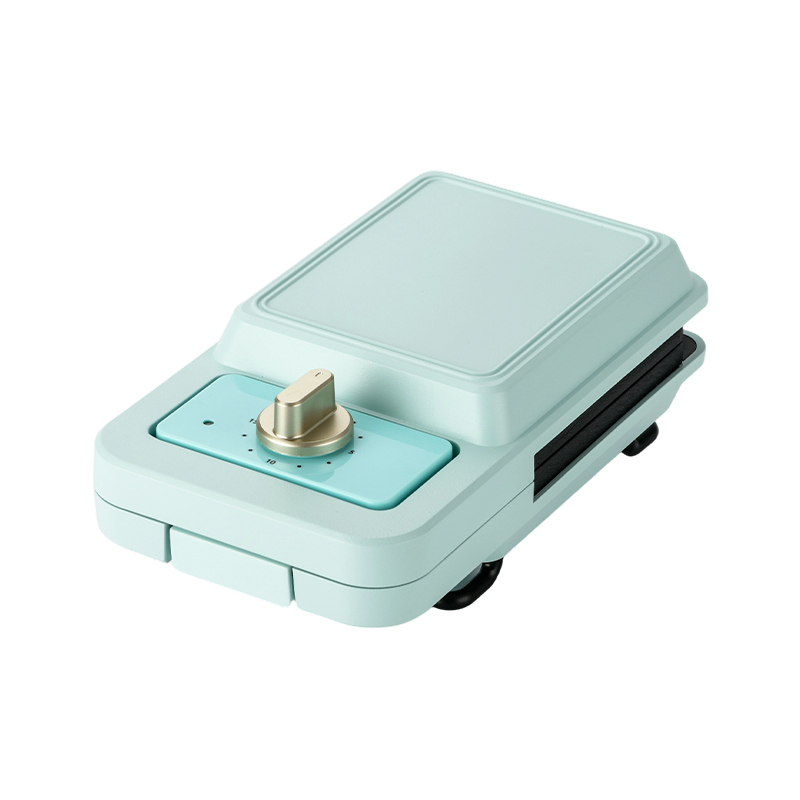
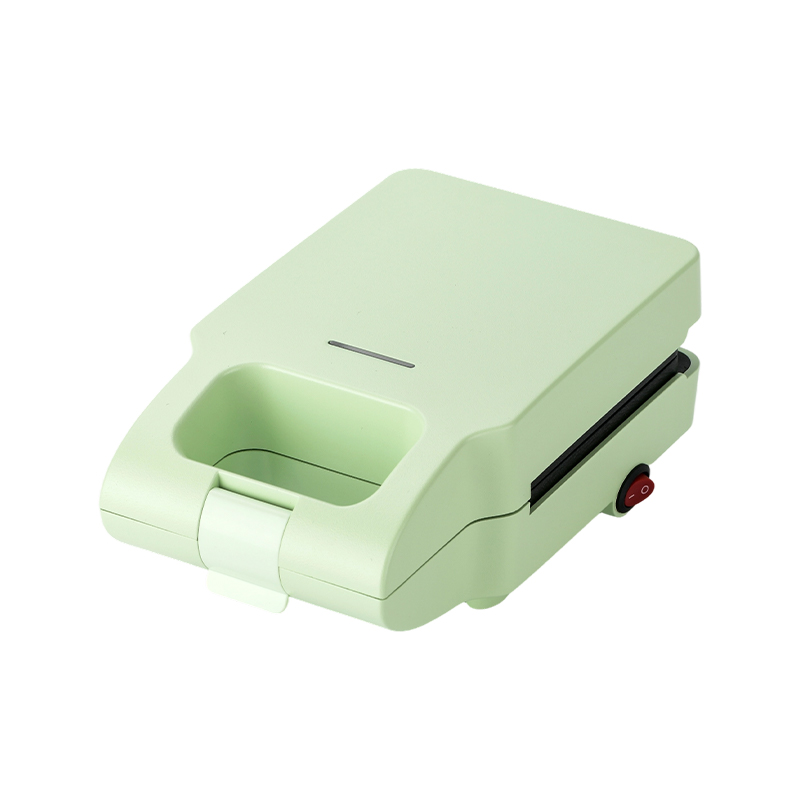
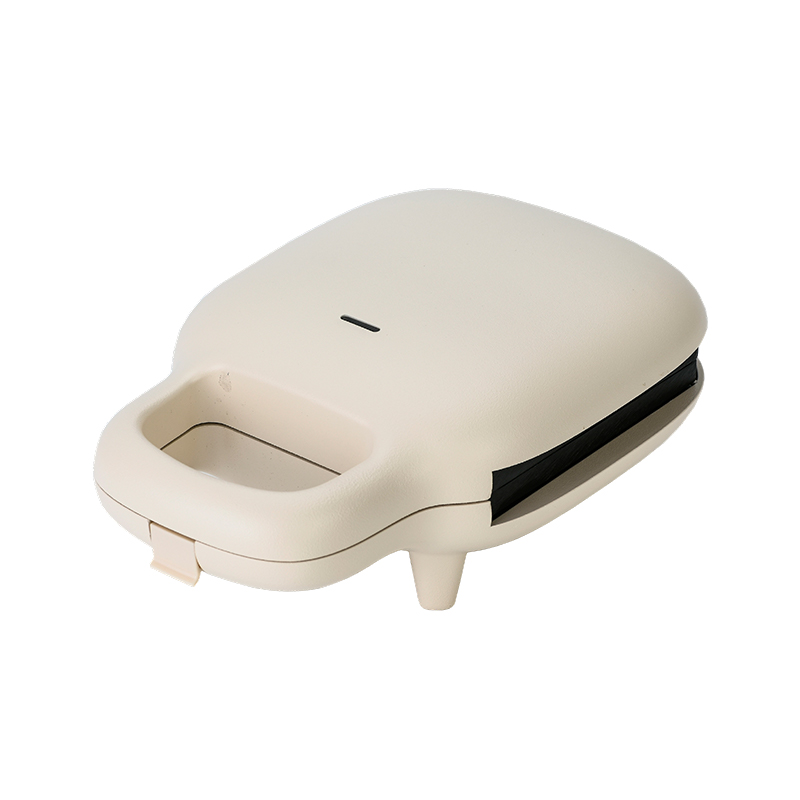
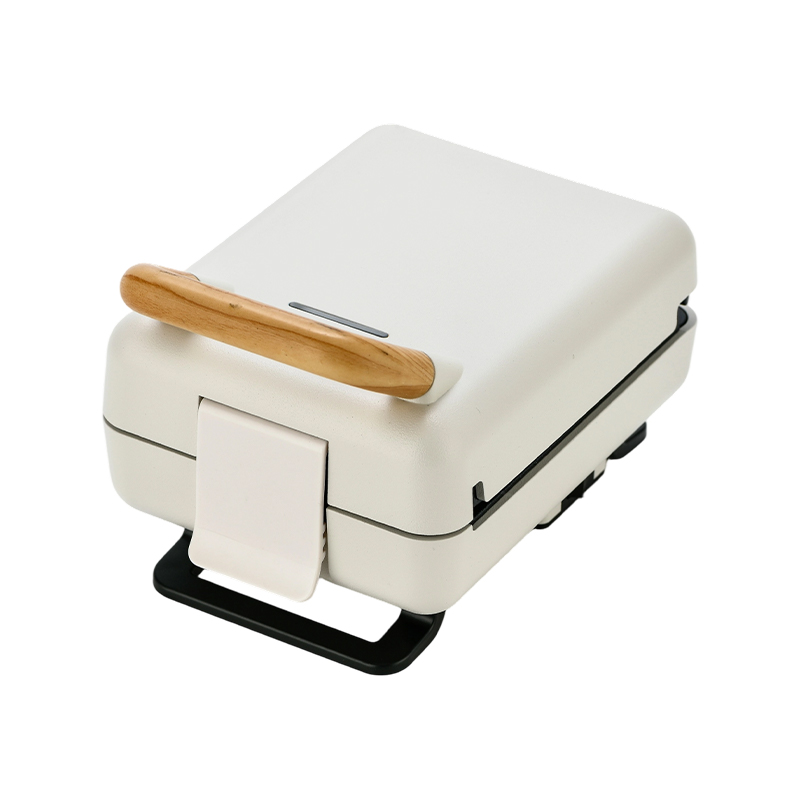
Not all sandwich makers work identically, and the plate style has a direct impact on how your bacon grilled cheese turns out. Understanding the differences helps you adapt the technique to whatever appliance you own.
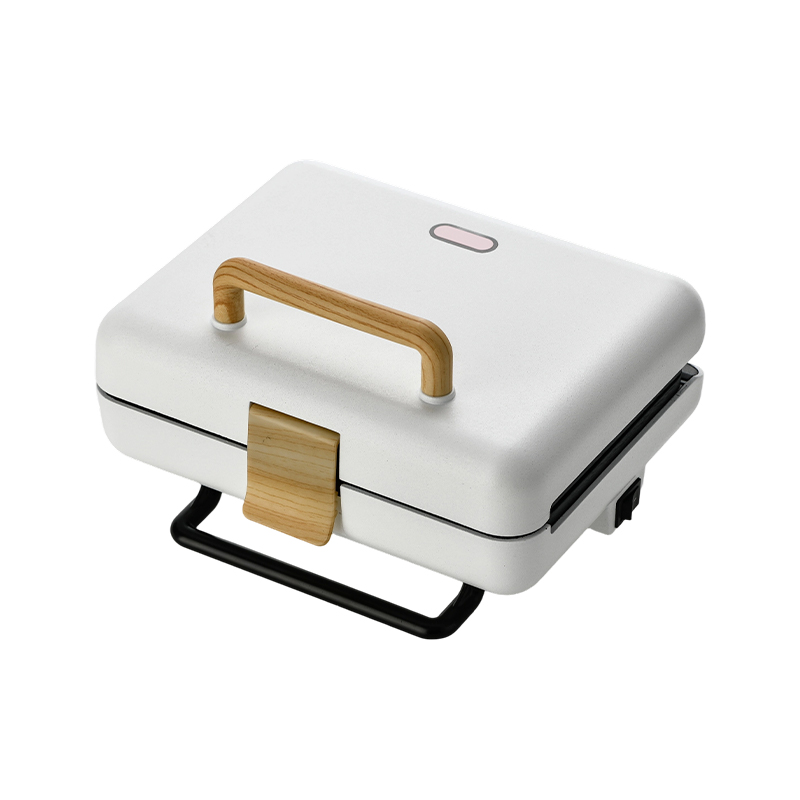
Triangular Plate (Sealed Edge) Sandwich Toaster
The most traditional design produces two triangular toasted pockets by pressing a dividing ridge into the center of the sandwich and crimping the outer edges. This creates a sealed pocket that locks all fillings inside. Bacon, cheese, and any additions must be kept toward the center of each triangular half to avoid overflow at the ridge. The resulting sandwich has a crisp, sealed exterior and a self-contained interior — ideal for eating on the go. One practical limitation: the dividing ridge compresses the center of the sandwich, meaning cheese closest to the ridge may melt more than cheese at the triangle tips.
Flat Plate Panini Press or Sandwich Maker
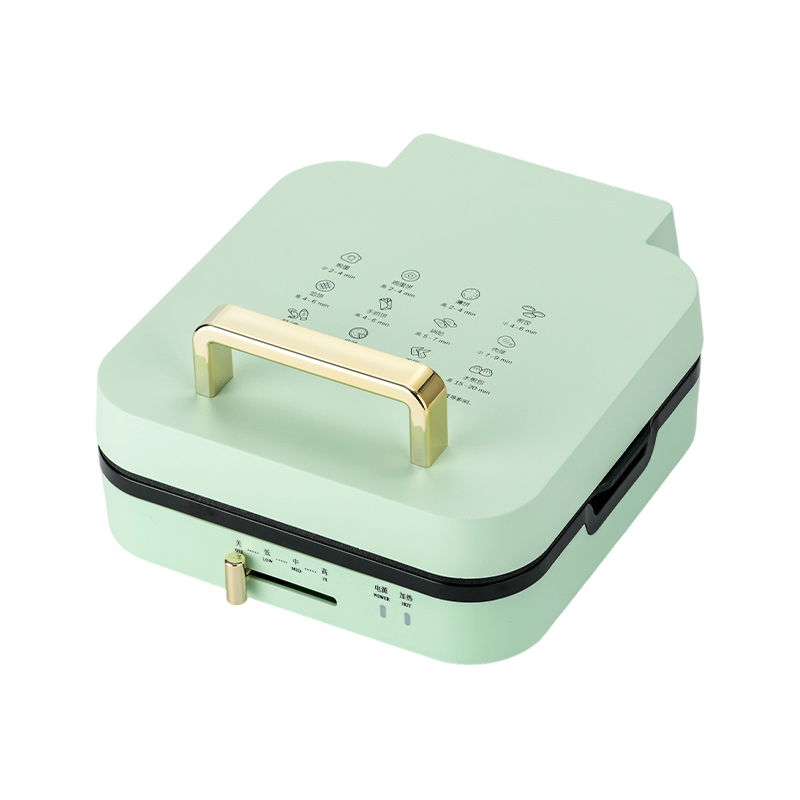
Flat plates apply even pressure and heat across the entire sandwich surface without cutting or sealing. This produces a result closer to a traditional skillet-cooked grilled cheese: a uniformly golden exterior with no sealed edges. The entire bread surface makes contact with the plate, giving more even browning. Any bread width and most bread thicknesses work without restriction. Panini-style ridges add grill marks to the surface without cutting the sandwich.
Waffle-Iron Style
Waffle-patterned plates press a grid of squares into the sandwich, creating a textured exterior with dramatic surface area variation — very crisp at the waffle peaks, softer between them. The increased surface area accelerates browning by approximately 20 to 30 percent, so reduce cook time by 30 to 60 seconds compared to flat-plate models. This style produces a visually striking result and the varied texture is enjoyable, though the bread is compressed more aggressively, making it less suitable for very thick or crusty breads.
Frequently Asked Questions
Do I need to butter the plates of the sandwich maker?
No. If you have buttered the outer faces of the bread, there is no need to add additional fat to the sandwich maker plates. The butter on the bread transfers directly to the plate surface on contact and provides all the fat needed for browning and release. Adding extra oil or butter to the plates on top of the buttered bread often results in excess grease pooling in plate grooves and smoking.
Can I use pre-cooked microwave bacon to save time?
Yes. Pre-cooked bacon is already fully cooked and can be placed directly into the sandwich without any additional preparation. It is thinner and crispier than skillet-cooked bacon, so it contributes more crunch and less chew. Warm the strips briefly in the microwave (15 to 20 seconds) before adding them to the sandwich to prevent the cold bacon from slowing the cheese melt. This is the fastest possible approach to a bacon grilled cheese, reducing total time to under 8 minutes including sandwich maker preheat.
How do I clean the sandwich maker after a bacon grilled cheese?
Allow the sandwich maker to cool completely with the lid open — approximately 20 to 30 minutes. Wipe the non-stick plates with a damp cloth or paper towel. If bacon fat or melted cheese has hardened in the grooves, place a damp paper towel on the lower plate, close the lid, and allow the steam to soften the residue for 2 to 3 minutes before wiping. Never use metal scourers, abrasive pads, or submerge the unit in water. Most non-stick plates can be cleaned with a small amount of dish soap on a soft cloth if needed.
What is the best cheese to use for maximum melt in a sandwich maker?
American cheese melts most reliably due to its emulsifying salts, which prevent the fat from separating at high temperatures. For a more flavorful option with excellent melt, young or medium cheddar (not extra-sharp) grated finely is the next best choice — grated cheese melts approximately 30 to 40 percent faster than sliced cheese of the same volume because of its greater surface area. Avoid pre-shredded cheese in bags when possible, as these are coated with anti-caking agents (usually cellulose powder) that slightly inhibit melting.
Can I make a bacon grilled cheese without butter?
Yes. Mayonnaise is the most popular butter substitute and actually produces a more consistently golden result because its higher smoke point prevents the early browning that can occur with butter on a very hot plate. Olive oil applied with a pastry brush is another option and adds a subtle savory flavor. Cooking spray (non-stick spray) produces the least buttery flavor but still prevents sticking and provides minimal browning. For a richer exterior without dairy, use a thin layer of ghee — it has the flavor of butter with an even higher smoke point.
How many strips of bacon should I use per sandwich?
Two to three strips of regular-cut bacon is the sweet spot for most sandwich sizes. Two strips provides a noticeable bacon presence without overpowering the cheese. Three strips makes bacon the dominant flavor and adds significant saltiness that reduces the amount of cheese needed. More than three strips makes the sandwich difficult to close in a sandwich maker with fixed-height plates and creates an uneven thickness that can result in undercooked bread on the thicker side. For thick-cut bacon, two strips are generally sufficient.
Can I make this recipe gluten-free?
Yes. Gluten-free sandwich bread works in a sandwich maker with one important adjustment: gluten-free bread is often more fragile and denser than standard bread, which means it may require 30 to 60 seconds of additional cook time to achieve the same level of browning. Handle the sandwich carefully when transferring to the plate, as gluten-free bread cracks more easily under the pressure of the sandwich maker lid. Most cheese and bacon varieties are naturally gluten-free, so no other recipe modifications are necessary.
Conclusion
A bacon grilled cheese sandwich made in a sandwich maker is one of the most rewarding and efficient recipes in home cooking. The appliance handles the hardest part — maintaining consistent heat on both surfaces simultaneously — so your attention goes entirely toward ingredient quality and layering technique. Pre-cook the bacon to just underdone, layer cheese on both sides of the bacon, butter the exterior evenly, preheat the maker fully, and resist opening the lid for the first 3 minutes: those five habits account for 90 percent of a perfect result.
Once you are comfortable with the basic recipe, the creative possibilities are significant. The same sandwich maker and the same technique can produce a spicy smoked version, a sweet-savory brie-and-fig variation, or a protein-packed breakfast melt simply by changing what goes between the bread. The sandwich maker is one of the most underutilized appliances in most kitchens — a bacon grilled cheese is the perfect reason to move it to the front of the counter.
Whether you make it for a quick weekday lunch, a satisfying weekend breakfast, or a late-night comfort meal, the combination of salty crisp bacon, molten cheese, and golden buttered bread remains one of the most universally loved sandwiches ever made. Now you have everything you need to make it perfectly, every time.