

 English
  中文简体
中文简体  Español
  Deutsch
Using a toasted sandwich maker is simple: preheat the appliance, butter the outside of your bread, add your fillings, close the lid, and cook for 3–5 minutes until golden and crispy. Whether you're a first-time user or looking to get more out of your machine, this guide covers everything — from setup to cleaning, common mistakes, and creative filling ideas.
Getting Started: What You Need Before You Begin
Before you make your first toasted sandwich, gathering the right ingredients and understanding your machine will save time and prevent common beginner mistakes.
Essential Equipment and Ingredients
- A toasted sandwich maker (also called a sandwich press, toastie maker, or jaffle iron)
- Sliced bread — standard sandwich loaf slices work best; avoid artisan loaves with thick crusts
- Softened butter or a non-stick cooking spray
- Your choice of fillings: cheese, deli meats, vegetables, or spreads
- A heat-safe spatula or tongs for safe removal
Understanding Your Sandwich Maker
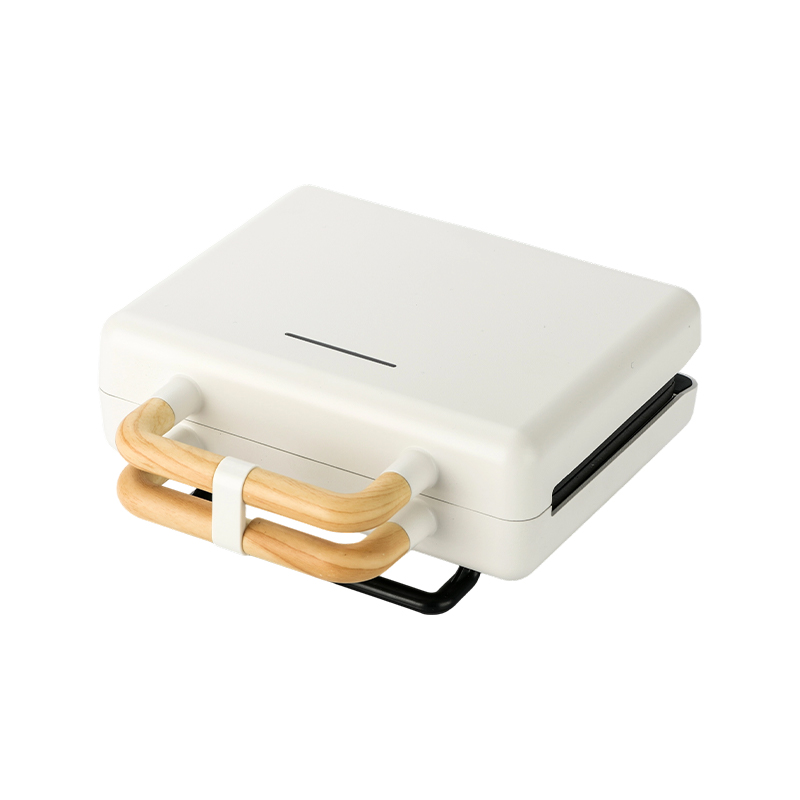
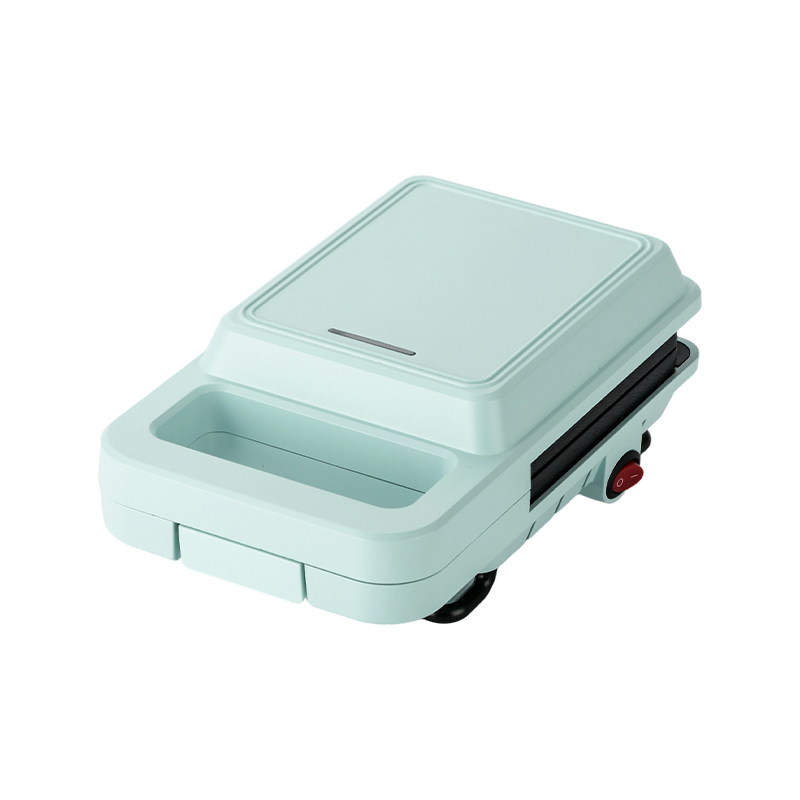
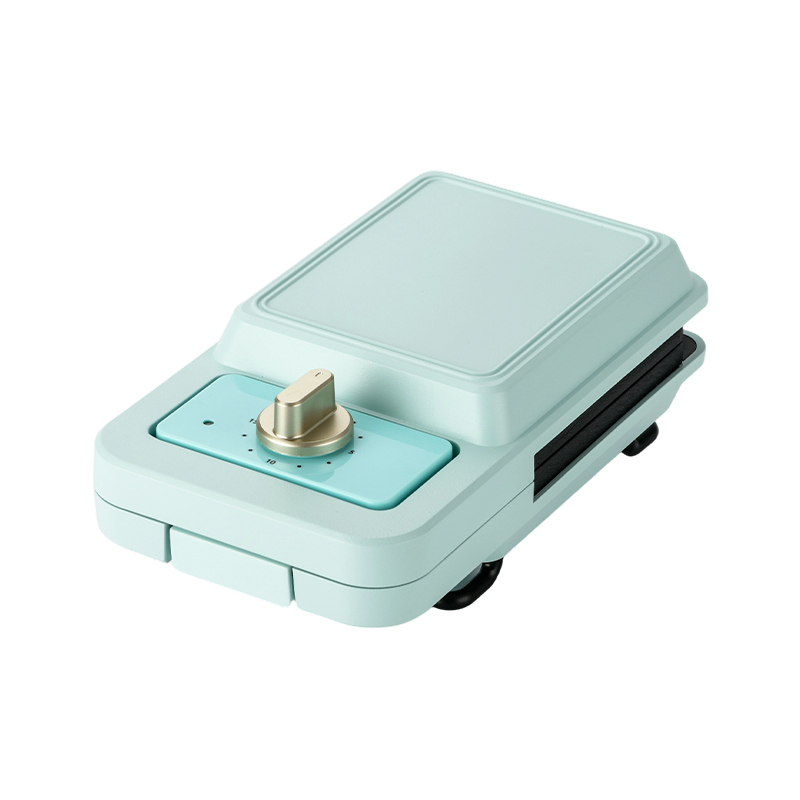
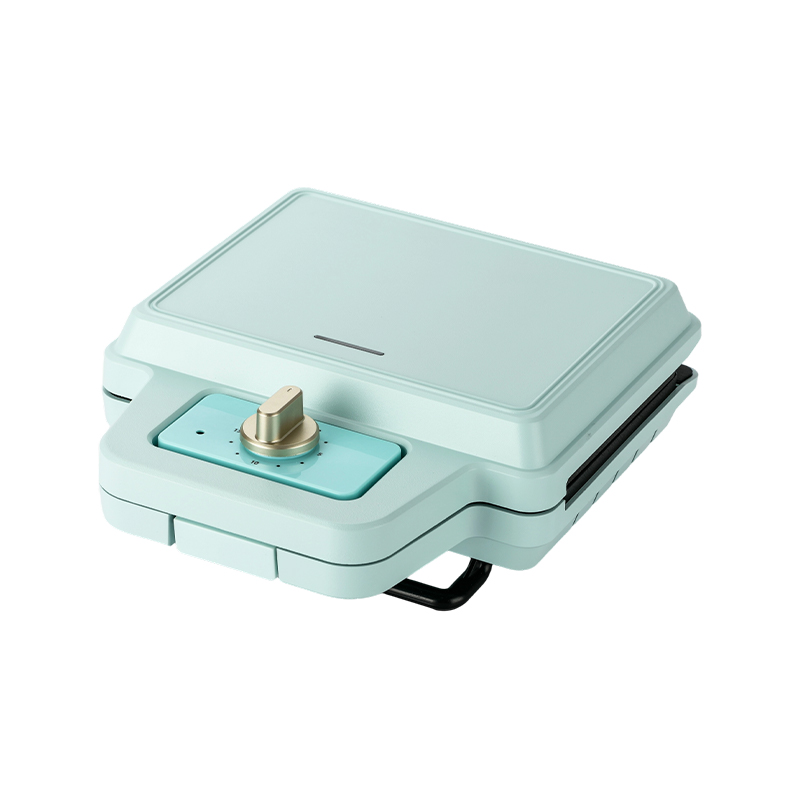
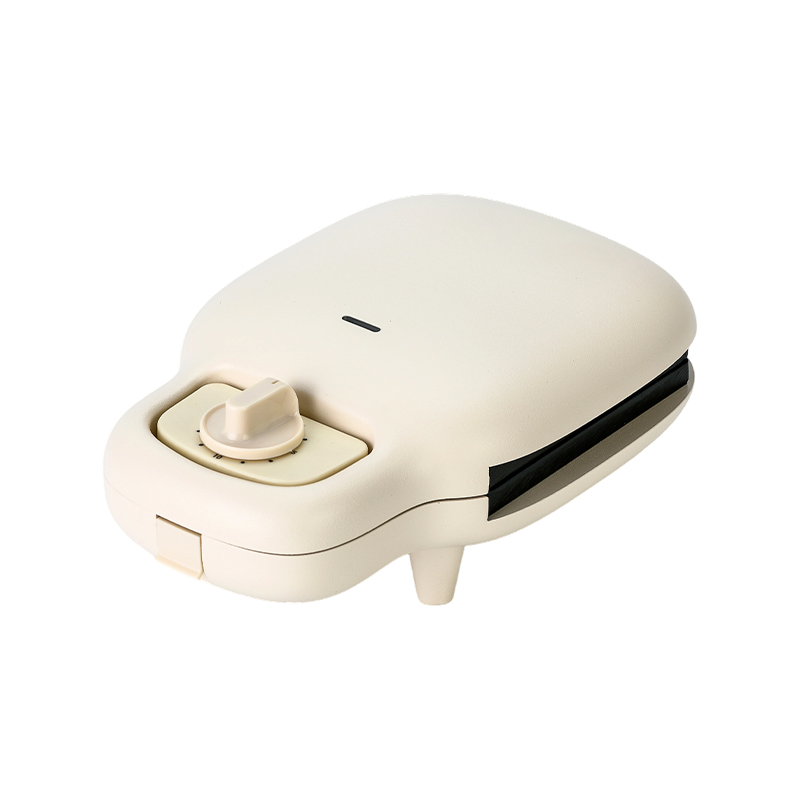
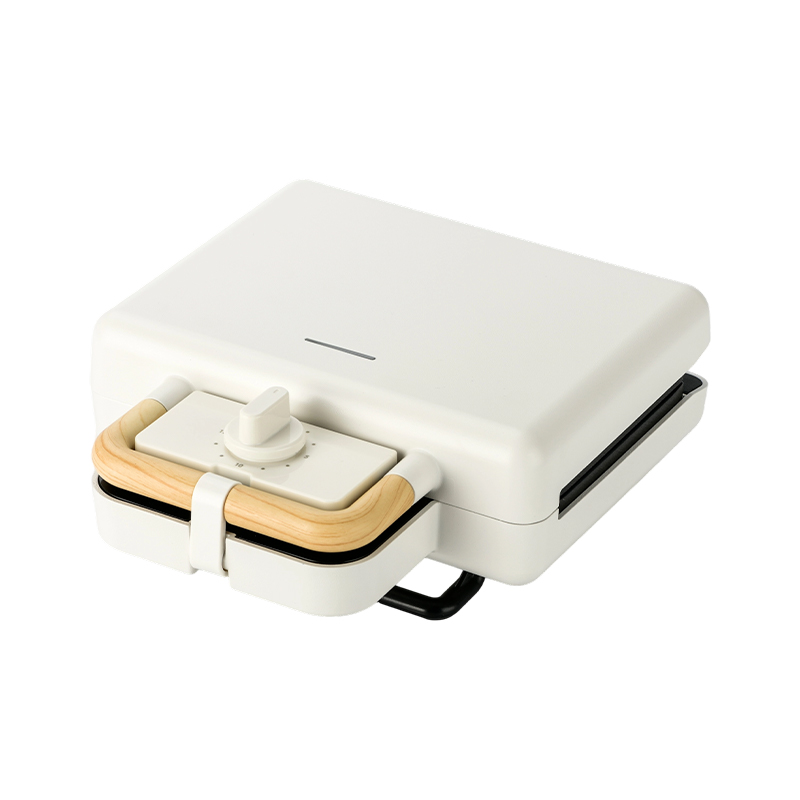
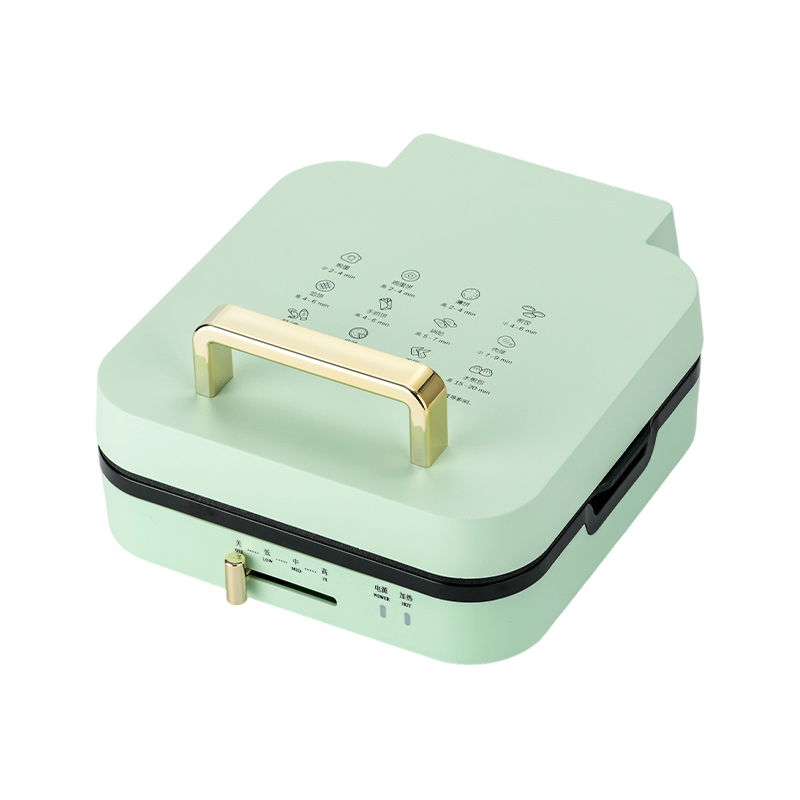
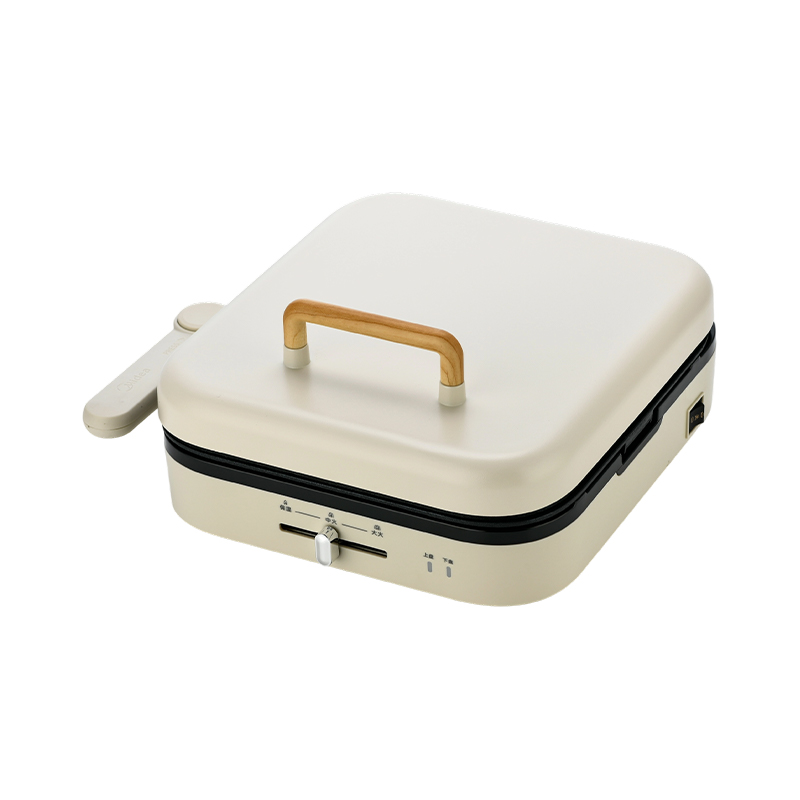
Most toasted sandwich makers share the same core design: two hinged, non-stick cooking plates that press and seal the bread while heating both sides simultaneously. Some models feature diagonal or triangular sealing plates (creating two triangular pockets), while others use a flat press format that doesn't seal the edges. Triangular-seal models are ideal for juicy fillings, as they prevent leakage during cooking. Flat press models offer more flexibility with bread size and open-faced designs.
How to Use a Toasted Sandwich Maker: Step-by-Step
Follow these six steps to produce a perfectly golden, evenly toasted sandwich every single time.
Step 1 — Preheat the Machine (2–3 Minutes)
Plug in your toasted sandwich maker and allow it to preheat with the lid closed for at least 2–3 minutes. A properly preheated machine creates an immediate sear on the bread surface, locking in moisture and producing that signature crispy exterior. Many models have an indicator light that turns green or switches off when the desired temperature is reached. Skipping this step is the single most common reason for pale, soggy sandwiches.
Step 2 — Butter the Outside of the Bread
Apply a thin, even layer of softened butter to one side of each bread slice — this is the side that will face the cooking plates. Butter serves three purposes: it enhances browning through the Maillard reaction, adds flavour, and acts as a natural release agent. Use approximately ½ teaspoon of butter per slice. If you prefer a lower-fat option, a light spray of cooking oil works well, though it tends to produce slightly less even browning than butter.
Step 3 — Add Fillings to One Slice
Place one bread slice butter-side down onto the lower cooking plate, then layer your fillings on top. Keep fillings within ¼ inch (about 6mm) of the bread edge to allow the machine to seal properly. Overfilling is a frequent error — most toasted sandwich makers work best with no more than 2–3 filling components. For wet ingredients like tomatoes or baked beans, pat them dry with a paper towel first to prevent the bread from becoming soggy before cooking begins.
Step 4 — Place the Second Slice and Close the Lid
Lay the second slice of bread over the fillings, butter-side facing up (toward the top plate). Gently close the lid and, if your model has a latch or clip, secure it. Applying light downward pressure for the first 30 seconds helps the plates make full contact with the bread and promotes even sealing.
Step 5 — Cook for 3–5 Minutes
Cook times vary depending on your machine's wattage, the bread thickness, and filling moisture content. As a reliable baseline: 3 minutes produces lightly golden results, 4 minutes gives a classic medium-golden colour, and 5 minutes yields a deep golden, very crispy exterior. Do not open the lid during the first 2 minutes, as this releases steam and interrupts the cooking process. After 3 minutes, check progress by lifting the lid briefly — you can always cook for longer, but you cannot undo over-browning.
Step 6 — Remove and Serve
Open the lid and use a heat-safe spatula or wooden tongs to carefully lift the sandwich. Never use metal utensils on non-stick plates, as these scratch the coating and shorten the appliance's lifespan. Allow the sandwich to rest on a cooling rack or plate for 60–90 seconds before cutting — this brief rest allows the cheese and any hot fillings to stabilise slightly, reducing the risk of burns and preventing the filling from spilling out immediately on cutting.
Cooking Time & Results: At-a-Glance Comparison
| Cook Time | Colour | Texture | Best For |
| 3 minutes | Light golden | Soft crust, tender interior | Thin white bread, mild fillings |
| 4 minutes | Medium golden | Crispy exterior, melted cheese | Standard sandwiches — the classic result |
| 5 minutes | Deep golden | Very crispy, firm edges | Thick bread, dense fillings (meats, beans) |
| 6+ minutes | Dark brown | Overly crunchy, risk of burning | Not recommended — monitor closely |
Cook time guide for a standard 750W–1000W toasted sandwich maker using medium-sliced white or wholemeal bread.
Best Fillings for a Toasted Sandwich Maker
The most successful toasted sandwich fillings share two qualities: they melt or soften with heat, and they contain moderate moisture — not too dry, not too wet.
Classic Combinations That Always Work
- Cheese and ham — the most popular toastie combination worldwide; use a meltable cheese like cheddar, gruyère, or mozzarella
- Cheese and tomato — slice tomatoes thinly and pat dry to prevent sogginess
- Tuna and sweetcorn — drain the tuna thoroughly and mix lightly with mayonnaise before filling
- Baked beans and cheese — a favourite in the UK; use no more than 3 tablespoons of beans per sandwich to avoid overflow
- Chicken, pesto and mozzarella — use pre-cooked, shredded chicken; never place raw poultry in a sandwich maker
Creative and Unexpected Fillings
- Nutella and banana — a sweet toastie option; the banana softens beautifully and the chocolate spread becomes a warm, fudgy sauce
- Brie and cranberry sauce — ideal for festive leftovers; use sparingly as brie melts rapidly
- Scrambled egg and cheese — use pre-cooked, slightly undercooked scrambled eggs so they finish cooking in the machine without becoming rubbery
- Kimchi and cheddar — squeeze excess liquid from kimchi first; the fermented tang pairs exceptionally well with sharp cheddar
- Apple slices, cinnamon and cream cheese — use thin apple slices and a generous pinch of cinnamon for a dessert-style toastie
Filling Suitability: Quick Comparison
| Filling Type | Suitability | Preparation Tip |
| Hard cheese (cheddar, gruyère) | ⭐⭐⭐⭐⭐ Excellent | Grate or slice thinly for even melt |
| Cooked meats (ham, chicken, bacon) | ⭐⭐⭐⭐⭐ Excellent | Pre-cook all meats before adding |
| Fresh tomatoes | ⭐⭐⭐ Good | Slice thinly, pat dry with paper towel |
| Leafy greens (spinach, rocket) | ⭐⭐ Moderate | Use sparingly; wilts significantly under heat |
| Wet sauces (salsa, tomato sauce) | ⭐ Low | Use max 1 tsp; excess causes leaking and burning |
| Raw meat or fish | Never | Always fully cook before use — food safety risk |
Suitability ratings for common sandwich filling types in a standard toasted sandwich maker.
Choosing the Right Bread for Your Toastie
Bread choice directly determines texture, seal quality, and overall satisfaction — medium-sliced white or wholemeal sandwich bread consistently produces the best results.
Bread Types Compared
- Medium white sandwich bread — the gold standard; seals perfectly, crisps evenly, and complements almost all fillings
- Wholemeal bread — slightly denser; produces a nuttier flavour and takes 30–60 seconds longer to achieve the same browning
- Sourdough — works well in flat-press models but can struggle to seal in triangular machines due to uneven slice thickness; produces an excellent crispy crust
- Thick-cut bread — takes longer (up to 6 minutes) and may not seal as cleanly; better suited to flat press models
- Gluten-free bread — often drier than standard bread; butter generously and reduce cook time by 30 seconds to prevent over-browning
- Brioche — its higher butter and sugar content means it browns very quickly; watch closely after 2.5 minutes
How to Clean a Toasted Sandwich Maker Properly
Cleaning your toasted sandwich maker immediately after each use (once cool) is the key to maintaining non-stick performance and food hygiene over time.
Routine Cleaning (After Every Use)
- Unplug the machine and allow it to cool for 10–15 minutes (warm — not hot — plates are easier to clean than fully cooled ones, as residue hasn't hardened completely).
- Wipe the cooking plates with a damp kitchen cloth or paper towel, removing loose crumbs and grease.
- For stubborn, baked-on residue, place a damp paper towel on the lower plate, close the lid for 60 seconds, then wipe — the gentle steam loosens stuck food without scratching the surface.
- Wipe the exterior with a lightly damp cloth. Never submerge the machine in water, regardless of what fillings have leaked onto it.
- If your model has removable plates, wash them in warm soapy water or place them in a dishwasher (check the manufacturer's instructions first).
What to Avoid When Cleaning
- Metal scourers or abrasive pads — these permanently damage non-stick coatings within a single use
- Immersion in water — electrical components make this a safety hazard
- Cleaning while still hot — non-stick coatings can warp or degrade if cold water is applied while plates are very hot
- Harsh chemical cleaners — standard dish soap diluted in warm water is sufficient and safe for all surfaces
7 Common Toasted Sandwich Maker Mistakes (And How to Fix Them)
Most toastie failures are preventable — knowing these seven errors in advance will immediately improve your results.
- Not preheating the machine — results in uneven browning and a soft, pale crust. Always preheat for 2–3 minutes before adding your sandwich.
- Overfilling — causes leakage, burning on the plates, and poor sealing. Keep fillings to no more than 2–3 components with moderate portions.
- Using cold butter — tears the bread when spreading. Always use room-temperature or softened butter.
- Opening the lid too soon — interrupts steam build-up and can cause the sandwich to split apart. Wait at least 2 full minutes before checking.
- Using wet ingredients without drying them — tomatoes, canned beans, and jarred vegetables contain significant moisture; pat or drain thoroughly first.
- Using metal utensils — scratches the non-stick coating, causing food to stick in future uses. Always use silicone or wooden tools.
- Neglecting to clean between uses — burnt residue transfers flavour (and appearance) to subsequent sandwiches and progressively degrades the non-stick surface.
Toasted Sandwich Maker Safety Tips
Toasted sandwich makers are very safe appliances when used correctly, but a few precautions protect both the user and the machine.
- Always place the machine on a flat, heat-resistant surface at least 6 inches away from walls or cabinets during use.
- Never leave the machine unattended when in use — cooking times are short and browning can transition to burning within 60–90 seconds.
- Keep the appliance out of reach of children; the exterior housing can reach temperatures above 80°C (176°F) during use.
- Always unplug after use and ensure the machine is fully cooled before storing or cleaning.
- Inspect the power cord regularly for fraying or damage; discontinue use immediately if any damage is found.
- Do not operate with wet hands or near water sources.
Frequently Asked Questions About Toasted Sandwich Makers
Do I need to oil a toasted sandwich maker before use?
No — buttering the outside of the bread provides sufficient lubrication for the non-stick plates. Adding additional oil or cooking spray is unnecessary and can cause excessive smoking. The exception is when making very low-fat sandwiches without butter, in which case a brief spray of cooking oil on the plates is appropriate.
Can I use a toasted sandwich maker for things other than sandwiches?
Yes — many people use sandwich makers creatively for hash browns, small pancakes, quesadillas, stuffed pastry pockets, and even individual waffles (depending on plate design). The key principle remains the same: use moderate fillings, avoid excessive moisture, and monitor cook times closely as non-sandwich items may cook faster.
Why is my toasted sandwich sticking to the plates?
Sticking most commonly occurs because the machine wasn't preheated, the non-stick coating is scratched (from metal utensils), or the bread was placed without butter. Ensure the machine is fully preheated, always butter the bread exterior, and use only non-metal utensils. If your non-stick coating is visibly damaged, it may be time to replace the machine or the plates (if removable).
How do I stop cheese from leaking out of the sandwich?
Keep cheese at least ½ inch from all bread edges, and avoid using more than 40–50g (about 1.5 oz) of cheese per sandwich. Grated cheese tends to stay better contained than thick slices. If your machine has a triangular sealing plate, the seal itself prevents most leakage — ensure you press the lid down firmly for the first 20–30 seconds to achieve a good seal.
Can I put frozen bread in a toasted sandwich maker?
Yes, but with modifications. Frozen bread should be added directly from the freezer without thawing — the machine will defrost and toast simultaneously. Add 1.5–2 extra minutes to the cook time and check frequently after the 4-minute mark. Note that frozen bread releases more moisture during cooking, which can slightly soften the crust compared to fresh bread.
How long do toasted sandwich makers last?
With regular cleaning and proper utensil use, a well-maintained toasted sandwich maker typically lasts 5–8 years. The non-stick coating is usually the first component to degrade; once it begins to flake or stick consistently despite proper preparation, replacement is recommended. Machines with removable, dishwasher-safe plates tend to last longer as the plates can be replaced independently of the base unit.
Is a toasted sandwich maker the same as a panini press?
They are similar but not identical. A traditional toasted sandwich maker uses plates that cut and seal the bread around the filling, creating an enclosed, pocket-like result. A panini press uses flat or ridged plates that compress and grill the sandwich without sealing it, leaving the edges open. Panini presses are better suited to larger, artisan-style breads and thicker sandwiches; toasted sandwich makers excel with standard sliced bread and are better at containing saucy or runny fillings.
Final Thoughts
Knowing how to use a toasted sandwich maker correctly transforms a simple kitchen appliance into one of the most versatile, convenient cooking tools you own. The core principles are straightforward: preheat thoroughly, butter the outside of your bread, use moderate fillings with controlled moisture, cook for 3–5 minutes without opening the lid, and clean gently after each use. Master these fundamentals and you'll produce perfectly golden, crispy, melt-filled toasties reliably — every time. From classic cheese and ham to creative sweet combinations, the possibilities are essentially unlimited once you understand how the machine works.