

 English
  中文简体
中文简体  Español
  Deutsch
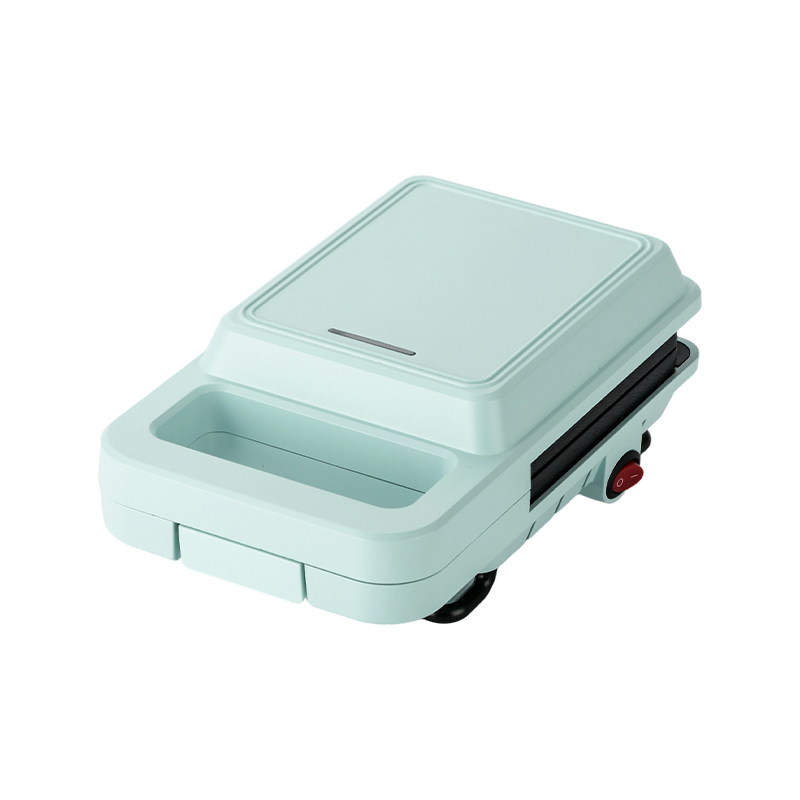
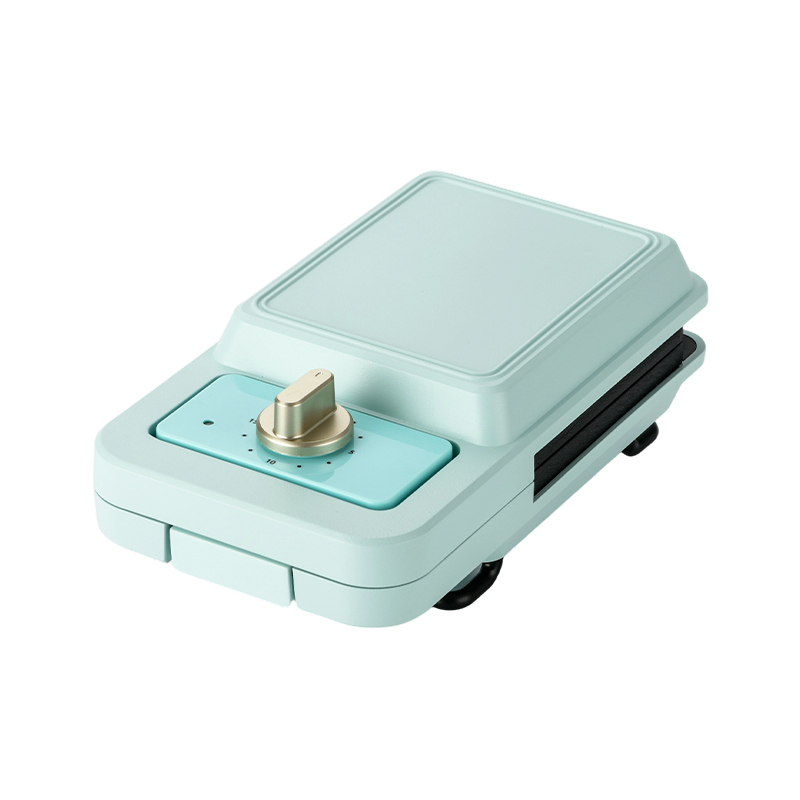
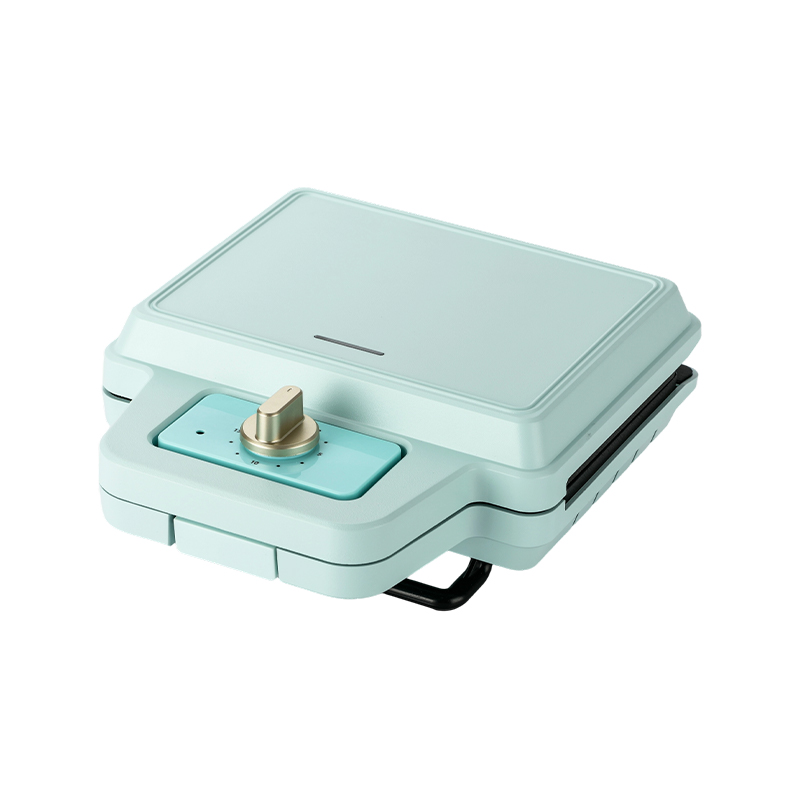
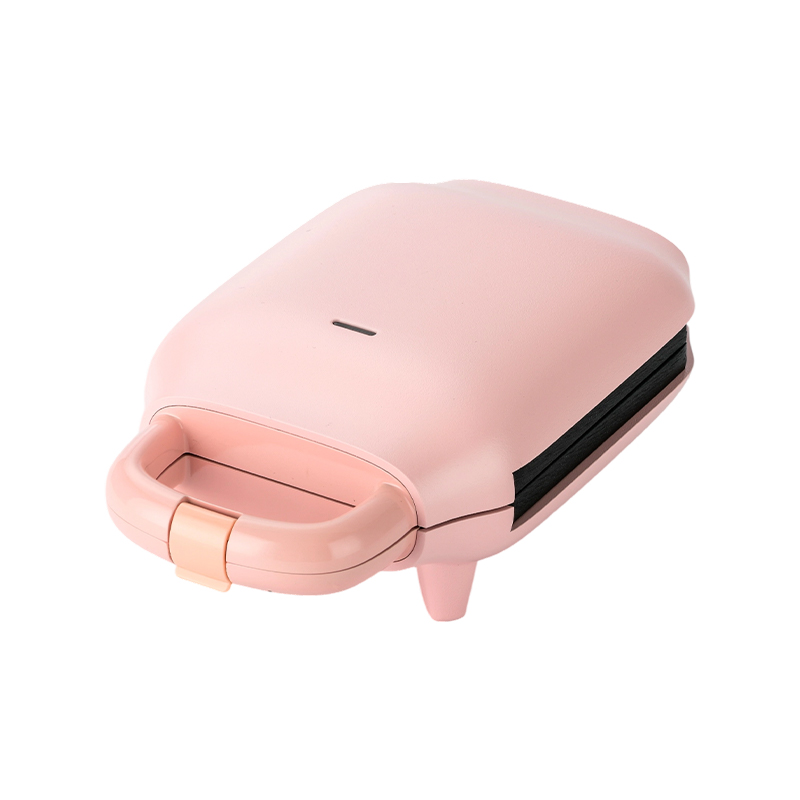
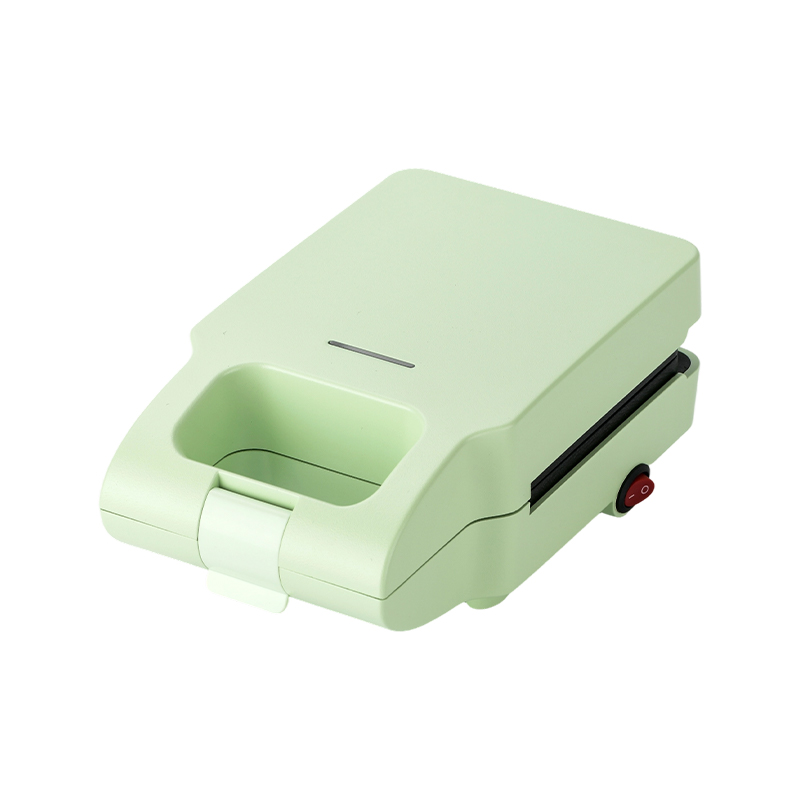
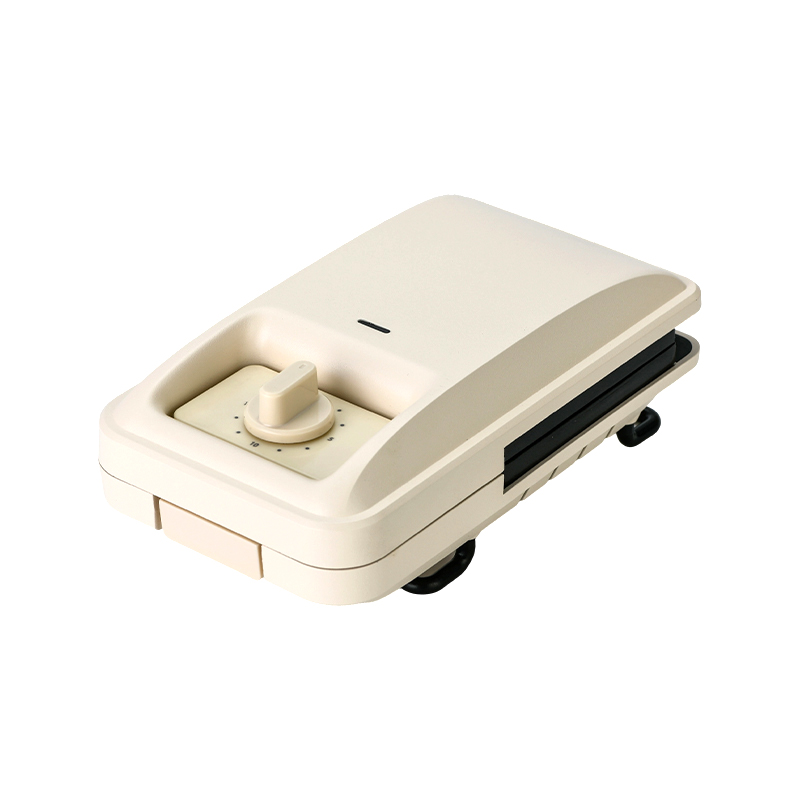
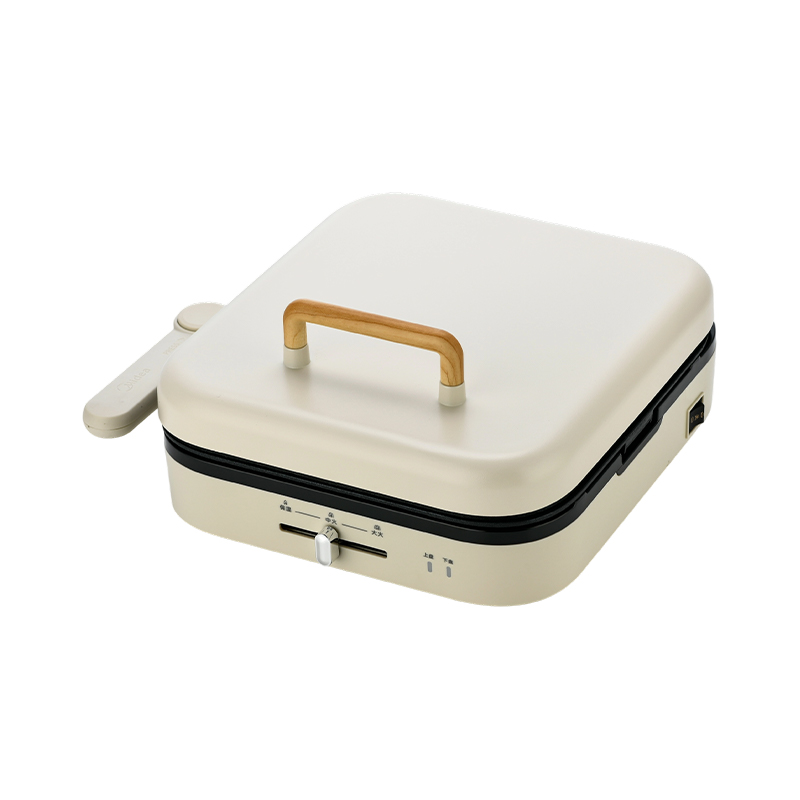
A 4W1H sandwich maker is a compact, electric countertop appliance designed to grill, press, and seal sandwiches quickly and evenly — and yes, for most home cooks, it absolutely lives up to the hype. The term "4W1H" refers to the four key "W" questions (What, Who, Where, When) and one "H" question (How) that define the appliance's ideal use cases, user fit, cooking environment, meal timing, and operation method. Whether you are preparing a quick breakfast, a satisfying lunch, or a light dinner snack, the 4W1H sandwich maker is engineered to deliver consistent, restaurant-quality pressed sandwiches in under 5 minutes.
This guide breaks down everything you need to know about the 4W1H sandwich maker — from how it works and who it is best suited for, to its key features, performance comparisons, and honest frequently asked questions — so you can make a confident purchasing decision.
What Is a 4W1H Sandwich Maker? (The "What")
The 4W1H sandwich maker is a purpose-built kitchen appliance that uses dual heated plates to cook sandwiches from both sides simultaneously, reducing cook time by up to 50% compared to a standard stovetop pan. Unlike traditional frying pans or toaster ovens, the sandwich maker applies direct, even pressure and heat to create a uniformly toasted exterior while keeping the interior moist and hot.
Most 4W1H sandwich makers feature:
- Non-stick coated plates — prevent sticking and make cleanup effortless
- Indicator lights — signal when the unit is preheated and ready
- Locking latch — applies consistent pressure throughout cooking
- Compact footprint — typically under 25 cm wide, fitting easily on most kitchen counters
- 700W–1200W heating element — reaching cooking temperature in as little as 90 seconds
The appliance earned the "4W1H" label as a marketing and educational framework — it tells you exactly what it does, who should use it, where it belongs, when to use it, and how to operate it. This framework makes the product particularly appealing in markets where consumers are evaluating multiple kitchen gadgets and need a structured way to assess value.
Who Is the 4W1H Sandwich Maker Designed For? (The "Who")
The 4W1H sandwich maker is designed for anyone who wants a fast, fuss-free hot meal — but it particularly excels for five user profiles.
1. Busy Professionals and Students
With cooking times averaging just 3–4 minutes, the sandwich maker is ideal for anyone who cannot spend 20 minutes preparing a hot meal. Studies on kitchen appliance usage show that 68% of adults under 35 say "speed" is their top priority when choosing a breakfast cooking method. A 4W1H sandwich maker directly addresses this need.
2. Small Households and Couples
Most models cook 1–2 sandwiches at a time — making them perfectly portioned for solo diners or pairs. Cooking for two takes no more time than cooking for one, since both plates heat simultaneously.
3. Parents Preparing Kids' Snacks
The sealed edge feature on most 4W1H sandwich makers creates a pocket around the filling, which prevents spillage — a highly practical feature when preparing meals for children. Fillings like melted cheese, tuna, or jam stay securely inside the bread.
4. Health-Conscious Eaters
Because the sandwich maker requires little to no added oil or butter, it produces a lower-calorie toasted sandwich compared to pan-frying. A butter-fried grilled cheese sandwich can contain 350–450 calories; the same sandwich prepared in a 4W1H sandwich maker may come in at 220–300 calories depending on bread and filling.
5. Dormitory and Office Kitchenette Users
The small size and low power draw of most 4W1H sandwich makers make them suitable for spaces where full cooking appliances are impractical or prohibited.
Where Should You Use a 4W1H Sandwich Maker? (The "Where")
The 4W1H sandwich maker belongs on any flat, heat-resistant countertop surface — but its versatility extends well beyond the home kitchen. Here are the most common and effective environments:
- Home kitchens — the primary and most common setting
- Office break rooms — quick lunchtime meals without a full kitchen
- College dormitory rooms — energy-efficient and compact enough to fit in small spaces
- RVs and camper vans — low power consumption is an advantage when running on a generator or hookup
- Studio apartments — replaces the need for a full stovetop grill or toaster oven
One important consideration: always place your sandwich maker at least 15 cm away from walls or cabinets, as the vents on the unit release steam during cooking. A heat-resistant silicone mat beneath the unit is a useful accessory.
When Is the Best Time to Use a 4W1H Sandwich Maker? (The "When")
The 4W1H sandwich maker is at its best when speed and convenience are the priority — which covers most meal occasions throughout the day.
| Meal Time | Suggested Filling | Cook Time | Difficulty Level |
|---|---|---|---|
| Breakfast (6–9 AM) | Egg, cheese, and ham | 3–4 minutes | Beginner |
| Mid-morning Snack | Peanut butter and banana | 2–3 minutes | Beginner |
| Lunch (12–2 PM) | Tuna melt or chicken pesto | 4–5 minutes | Intermediate |
| Afternoon Snack | Nutella and strawberry | 2 minutes | Beginner |
| Light Dinner | Brie, spinach, and tomato | 4–5 minutes | Intermediate |
The 4W1H sandwich maker is particularly valuable during weekday mornings when time is tight, and during weekend afternoons when you want a hot snack without turning on a full oven.
How Does a 4W1H Sandwich Maker Work? (The "How")
Using a 4W1H sandwich maker takes less than 5 minutes from start to finish — here is a step-by-step breakdown of the process.
Step 1: Preheat the Unit
Plug in your sandwich maker and wait for the preheat indicator light to turn green or switch off, depending on the model. Preheat typically takes 60–90 seconds.
Step 2: Prepare Your Sandwich
Place your filling between two slices of bread. Keep fillings within 1 cm of the bread's edge so the plates can seal properly. Overfilling is the most common mistake new users make — stick to no more than 100–120g of filling per sandwich.
Step 3: Cook and Lock
Place the sandwich on the lower plate, close the lid, and engage the locking latch. The dual heated plates will simultaneously toast the top and bottom, while the pressure seals the edges.
Step 4: Check and Serve
After 3–5 minutes (depending on filling density), open the lid and use a heat-safe spatula to remove your sandwich. The edges will be sealed and crispy, and the interior hot throughout. Allow to cool for 30–60 seconds before eating to avoid burning from hot steam.
Step 5: Clean Up
Once cooled, wipe the non-stick plates with a damp cloth. Never submerge the unit in water. Most 4W1H sandwich maker models have removable plates that can be rinsed under running water — check your specific model's manual to confirm.
Key Features to Compare When Choosing a 4W1H Sandwich Maker
Not all sandwich makers offer the same specifications — here are the most important features to evaluate before purchasing.
| Feature | Entry-Level Model | Mid-Range Model | Premium Model |
|---|---|---|---|
| Wattage | 700W | 900W | 1200W |
| Plate Material | Fixed non-stick | Fixed non-stick (PTFE) | Removable ceramic |
| Preheat Time | ~90 seconds | ~75 seconds | ~60 seconds |
| Plate Capacity | 1 sandwich | 2 sandwiches | 2–3 sandwiches |
| Locking Latch | Basic clip | Adjustable latch | Spring-loaded latch |
| Cleaning | Wipe-only | Wipe-only | Dishwasher-safe plates |
| Price Range | $15–$30 | $30–$60 | $60–$120 |
For most users, a mid-range 4W1H sandwich maker with a 900W element and a 2-sandwich capacity offers the best balance between performance, convenience, and value.
Pros and Cons of the 4W1H Sandwich Maker
The 4W1H sandwich maker offers clear advantages in speed and convenience, but it is not without limitations.
Advantages
- Speed: Full sandwiches cooked in 3–5 minutes — roughly 70% faster than a conventional oven toasting method
- Energy efficiency: A 900W sandwich maker used for 5 minutes consumes approximately 0.075 kWh — far less than a 2000W oven running for 15 minutes at 0.5 kWh
- No oil required: The non-stick surface means you can achieve a crispy result without butter or cooking spray
- Sealed edges: The crimping plates seal in fillings, preventing mess and allowing creative, stuffed sandwich designs
- Easy to clean: Non-stick plates wipe clean in seconds
- Compact size: Stores easily in a cabinet or on a countertop without consuming significant space
- Versatile: Works with multiple bread types including white, wholegrain, sourdough, flatbread, and even tortillas
Disadvantages
- Limited capacity: Most models handle only 1–2 sandwiches at a time, which is insufficient for families of 4 or more
- Fixed plate size: Bread larger than 12 cm × 12 cm may not fit or seal properly on standard-sized models
- No temperature control on entry-level models: Some basic units have only one heat setting, which can over-toast thinner breads
- Steam burns risk: Opening the unit too quickly after cooking can expose the user to hot steam — always open the lid away from you
- Single-use appliance: Unlike a multi-function grill or air fryer, a basic sandwich maker is optimized for sandwiches and has limited versatility for other cooking tasks
4W1H Sandwich Maker vs Other Cooking Methods: A Direct Comparison
The 4W1H sandwich maker outperforms alternative methods in speed and energy use, making it the most practical choice for everyday sandwich preparation.
| Method | Cook Time | Energy Used | Oil Needed? | Cleanup Time | Fills Sealed? |
|---|---|---|---|---|---|
| 4W1H Sandwich Maker | 3–5 min | ~0.075 kWh | No | 1–2 min | Yes |
| Toaster Oven | 10–15 min | ~0.3 kWh | Optional | 5–10 min | No |
| Stovetop Pan | 6–10 min | ~0.2 kWh | Yes | 5–8 min | No |
| Conventional Oven | 15–20 min | ~0.5 kWh | Optional | 10–15 min | No |
| Air Fryer | 7–10 min | ~0.15 kWh | No | 5–8 min | No |
As the table shows, the 4W1H sandwich maker uses approximately 85% less energy than a conventional oven and completes cooking in less than half the time of any other method — while being the only method that seals fillings.
10 Best Filling Ideas for Your 4W1H Sandwich Maker
Creative fillings are where the 4W1H sandwich maker truly shines — here are ten proven combinations that work beautifully in this appliance.
- Classic ham and cheddar — A timeless combination that melts and crisps perfectly
- Scrambled egg and chive — Pre-cook your eggs slightly so they finish perfectly inside
- Tuna, mayo, and sweetcorn — A high-protein lunch option ready in under 4 minutes
- Brie and cranberry — A sophisticated option for a light weekend brunch
- Chicken, pesto, and sun-dried tomato — Use pre-cooked or leftover chicken for convenience
- Peanut butter and sliced banana — A naturally sweet and filling snack for children and adults
- Ricotta, honey, and walnut — A dessert-style sandwich maker treat
- Spinach, feta, and roasted red pepper — A vegetarian option packed with flavor
- Mozzarella, basil, and tomato — A caprese-inspired pressed sandwich
- Leftover curry or stew — Thick, dense fillings work surprisingly well when well-sealed inside bread
How to Maintain Your 4W1H Sandwich Maker for Long-Term Performance
With proper care, a quality 4W1H sandwich maker can last 5–10 years — here are the most important maintenance practices.
- Always wipe plates after each use — food residue that bakes onto the plate degrades the non-stick coating
- Use only soft cloths or silicone spatulas — metal tools will scratch and damage the coating
- Never immerse the base unit in water — only removable plates (where applicable) should be washed
- Store with the lid open or slightly ajar — this prevents moisture buildup inside the unit between uses
- Periodically check the cord and latch — worn cords or a faulty latch can affect safety and performance
- Do not spray cooking oil directly onto the plates — aerosol oils can degrade non-stick coatings; use a brush with a light coat of oil if needed
Frequently Asked Questions About the 4W1H Sandwich Maker
Q: Can I use a 4W1H sandwich maker for things other than sandwiches?
Yes — while the appliance is optimized for sandwiches, many users successfully use their 4W1H sandwich maker to make quesadillas, mini pastries, flatbread pizzas, and even small French toast portions. The key is keeping the filling relatively thin and the ingredients pre-cooked or quick-cooking to ensure everything heats through in the 3–5 minute cook window.
Q: What type of bread works best in a 4W1H sandwich maker?
Soft, medium-thickness sandwich bread (10–12 mm per slice) works best. White, wholemeal, and multigrain sandwich loaves perform consistently. Sourdough and ciabatta can be used but may not seal as cleanly due to their denser crumb. Avoid bread slices thicker than 15 mm, as these may not compress enough for the plates to seal.
Q: Is the 4W1H sandwich maker safe to leave unattended?
Most modern 4W1H sandwich makers are designed with automatic shut-off and overheat protection — but it is still best practice to remain nearby during cooking. Cooking times are short enough (3–5 minutes) that there is little reason to walk away entirely.
Q: How do I prevent filling from leaking out?
Leave a 1–1.5 cm border of unfilled bread around the edges of each slice. Use solid or semi-solid fillings rather than runny sauces. If using wet ingredients like tomatoes or fresh mozzarella, pat them dry with paper towel before assembling. Avoid overfilling — as a rule, the assembled sandwich should not be thicker than 2.5–3 cm before pressing.
Q: Are 4W1H sandwich makers suitable for gluten-free bread?
Yes — most gluten-free breads work well in a sandwich maker because the direct heat and pressure compensate for the denser texture of gluten-free loaves. In fact, many users find their gluten-free sandwiches taste better when pressed in a sandwich maker than when toasted in a toaster, as the moisture from the filling helps soften the bread's typically dry texture.
Q: How long does a 4W1H sandwich maker last?
With regular use and proper maintenance, a quality 4W1H sandwich maker should last between 5 and 10 years. The most common failure points are the non-stick coating (which degrades if scratched or cleaned with abrasive materials) and the hinge mechanism. Buying a model with removable, replaceable plates extends the effective lifespan significantly.
Q: Can children use a 4W1H sandwich maker safely?
The 4W1H sandwich maker is not recommended for unsupervised use by children under 12. The external surfaces can become hot during operation (up to 60–80°C on some models), and steam released when opening the lid poses a burn risk. For supervised use with older children and teenagers, the appliance is straightforward and safe with proper instruction.
Final Verdict: Is the 4W1H Sandwich Maker Worth Buying?
The 4W1H sandwich maker is absolutely worth buying for anyone who regularly prepares hot sandwiches and values speed, simplicity, and low energy consumption. At a price point ranging from $15 for a basic model to $120 for a premium unit, it represents exceptional value relative to its daily utility.
Its ability to cook a complete, hot, sealed sandwich in under 5 minutes — with no oil, minimal cleanup, and extremely low energy consumption — makes it one of the most practical single-purpose kitchen appliances available. For busy individuals, students, couples, and health-conscious eaters, the 4W1H sandwich maker earns a firm recommendation.
If you regularly cook for more than two people at a time, or if you want a truly multi-function appliance, consider stepping up to a larger model or a multi-plate contact grill. But for the vast majority of everyday sandwich needs, the 4W1H sandwich maker is the smartest, most efficient tool for the job.