

 English
  中文简体
中文简体  Español
  Deutsch
The best sandwich maker is not the one with the highest wattage or the flashiest housing. It is the model whose plates detach for easy cleaning, whose thermostat holds a steady temperature, whose hinge stays tight after hundreds of presses, and whose size matches the number of sandwiches you actually make. If you only buy one, look for a removable non-stick plate design, at least 700W for a two-slice unit, and a clear temperature dial or a 15-minute timer.
A sandwich maker is a compact countertop appliance that cooks both sides of a filled sandwich at once. Most models also press panini, toast bagels, and sear small cuts of meat or vegetables. In a proper review, five things matter more than brand claims: plate material and thickness, heating evenness, hinge and latch durability, cleaning effort, and how much counter space the machine takes up. Everything else is secondary.
What actually matters in a best sandwich maker review
The deciding factor is not the wattage number on the box. It is the combination of plate quality, temperature control, and mechanical durability. A poorly built 1000W machine can burn the outside of a sandwich while the cheese stays cold, and a well-built 700W unit with thick plates can cook evenly every time.
Here is why. Thin heating plates create hot spots. Inconsistent thermostats swing more than 20°C, so you cannot repeat the same result twice. A weak hinge lets the top plate lift during cooking, which stops the bread from making full contact. And fixed plates force you to wipe around hot elements, which is both annoying and a long-term cleanliness risk.
Use these criteria when comparing any two models:
- Plates: removable beats fixed for cleaning; non-stick coating should feel smooth, not gritty.
- Power: 600W–800W for one or two slices; 1000W and above for thick panini or four slices.
- Temperature control: a dial or electronic thermostat that holds within roughly ±10°C is ideal.
- Hinge and latch: a 180° opening is useful, but only if the hinge has metal reinforcement.
- Timer: a 15-minute mechanical timer reduces the risk of burnt toast on busy mornings.
- Storage: vertical storage saves space, but check that the latch does not pop open.
Comparison: fixed plates, removable plates, and multifunctional models
If you use the machine daily, choose removable plates. If you only make an occasional toasted sandwich, fixed plates can work, but you will spend more time cleaning. If your kitchen is small, a multifunctional sandwich and waffle maker may replace two appliances.
| Design | Benefits | Trade-offs |
|---|---|---|
| Fixed plates | Lower cost, fewer moving parts, simple to operate | Harder to clean, no plate swapping, grease can build up near the edges |
| Removable plates | Easy washing, interchangeable plates, less oil residue over time | Slightly higher price, locking tabs must be checked for a firm fit |
| Multifunctional 180° open | Opens flat as a grill, makes waffles or eggs, better for two or more people | Bulkier, heavier, hinge takes more stress with frequent opening |
In daily use, removable plates save several minutes of cleaning. A 180° model is worth it only if you will actually use the flat grill function. Otherwise, you are paying for a larger footprint and a more complicated hinge that may loosen over time.
How to test and compare before you buy
You cannot test an online purchase in person, so use measurable specifications instead of marketing language. The most reliable indicators are plate thickness, thermostat type, timer presence, power-to-size ratio, and the availability of replacement parts.
Look for plates at least 2mm thick. A thicker plate spreads heat more evenly and resists warping. The thermostat should cover roughly 150°C to 220°C; that range handles everything from reheating a delicate sandwich to searing a panini. A 15-minute timer is a practical safety feature because it forces the machine to cycle off. For two-slice models, 700W–900W is the sweet spot. For four-slice models, 1200W or more keeps recovery time short when you load cold bread and cheese.
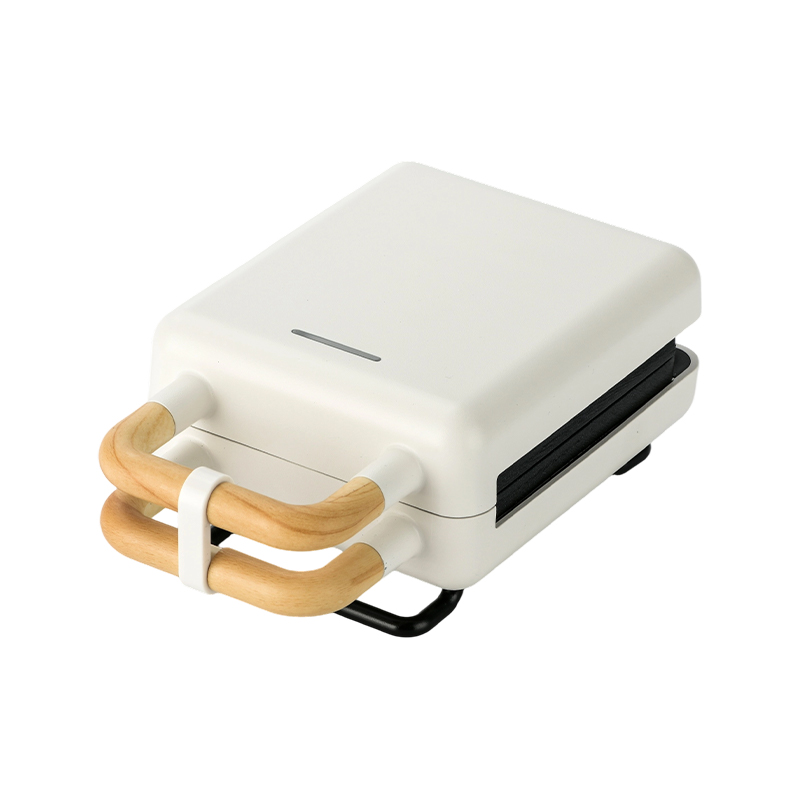
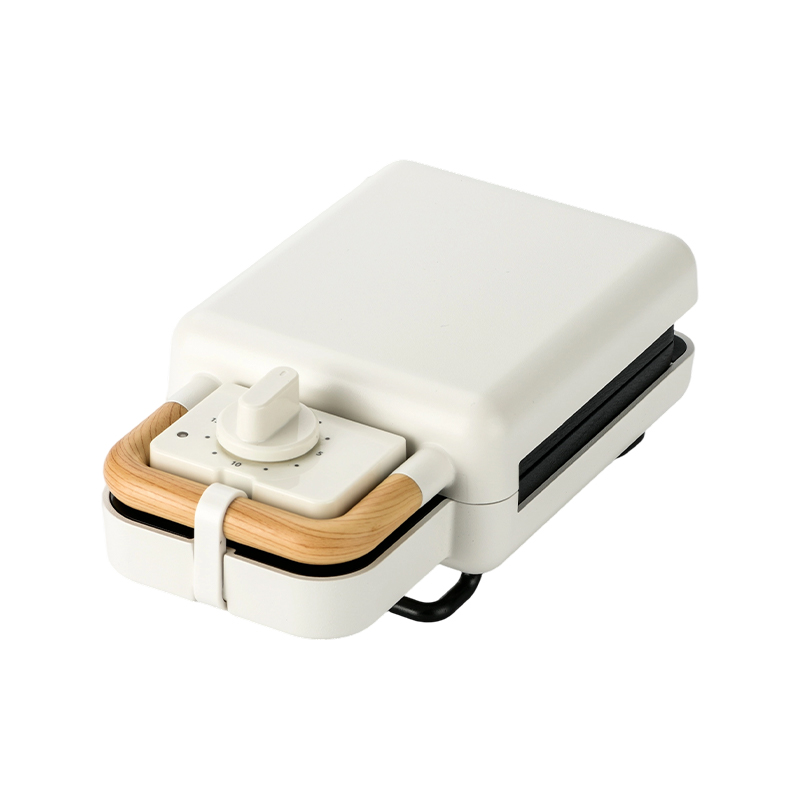
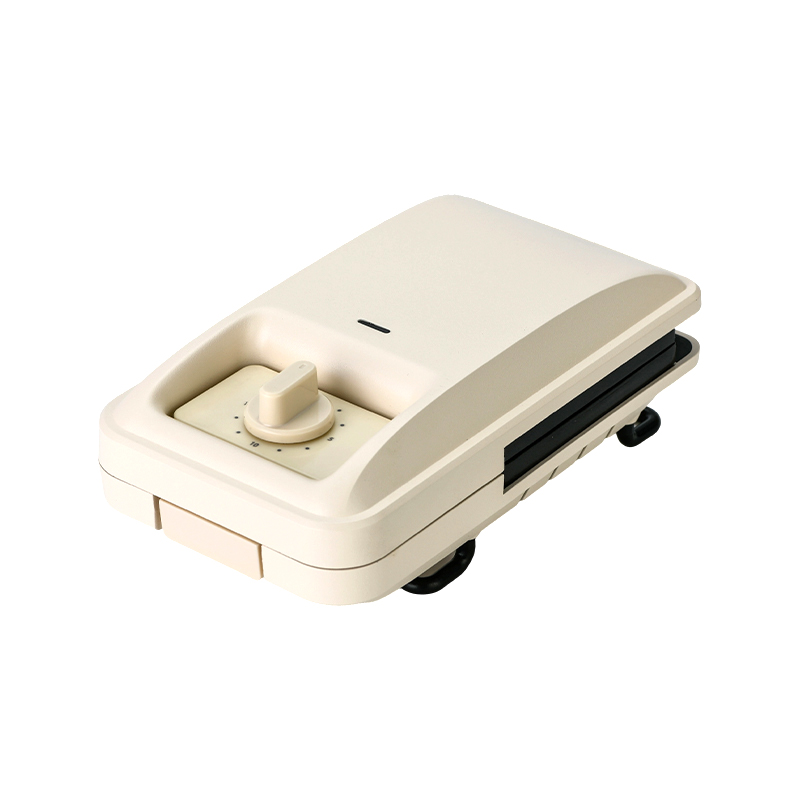
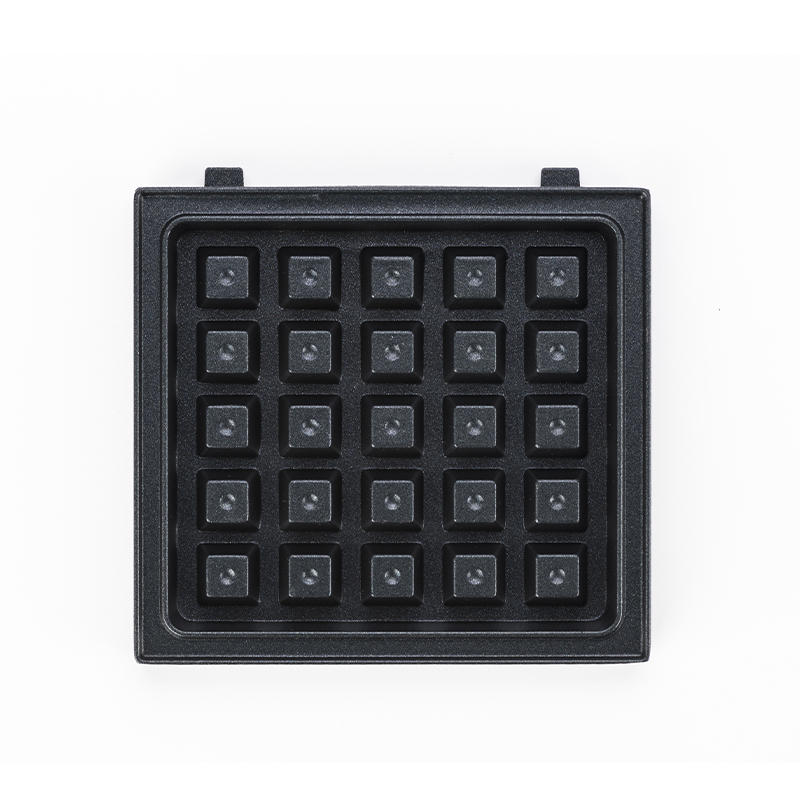 BJX-S006 Single-Slice Sandwich Maker with 15-Minute Timer and Removable PlatesCompact 600W sandwich maker with detachable non-stick plates, 15-minute timer, and thermostat control; suits small kitchens and quick breakfasts or snacks.View Product →
One common buying risk is a machine that claims high wattage but has small plates. The plate area matters more than the wattage label. Another risk is a coating that flakes after a few months because the factory skipped a primer layer. Ask for a coating adhesion test or a warranty that covers the non-stick surface.
Also check the latch mechanism. A weak latch lets steam escape and prevents the sandwich from pressing flat. If the latch is plastic, look for glass-filled nylon or a metal insert. These details rarely appear in online descriptions, but they determine how long the appliance lasts.
Best sandwich maker by scenario
There is no single best model for everyone. A solo cook who eats one quick breakfast sandwich has different needs from a family of four making panini on a weekend. Match the machine to your real routine, not to a spec sheet.
For solo quick breakfast
A single-slice or compact two-slice machine with a timer is the most practical choice. It heats up in two to three minutes, takes up little counter space, and the removable plates rinse clean in under a minute. Look for a model around 600W–750W with a fixed or floating hinge. The floating hinge is better because it accommodates thick bread without crushing it.
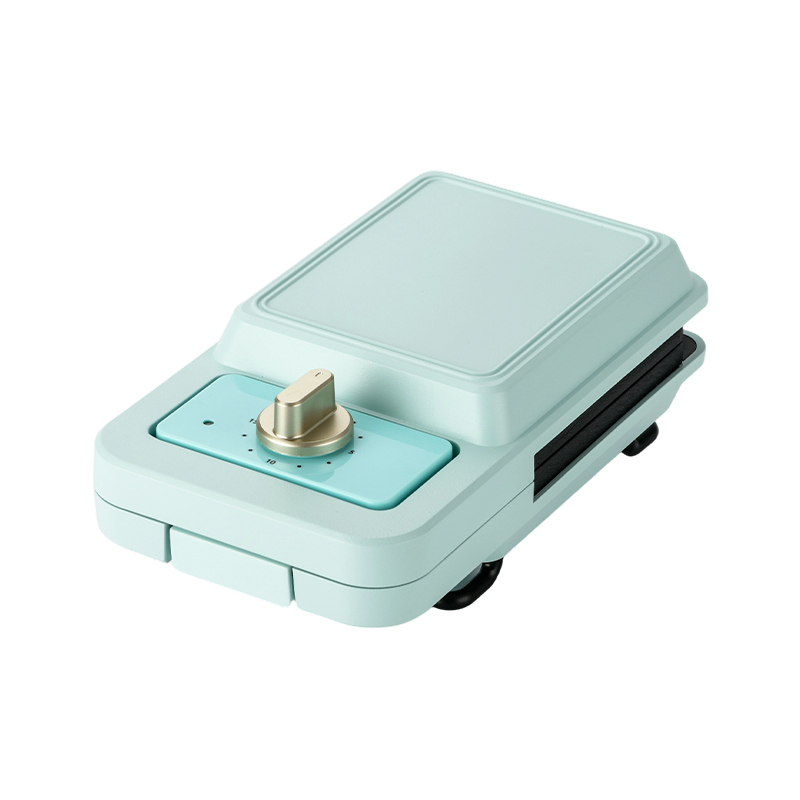
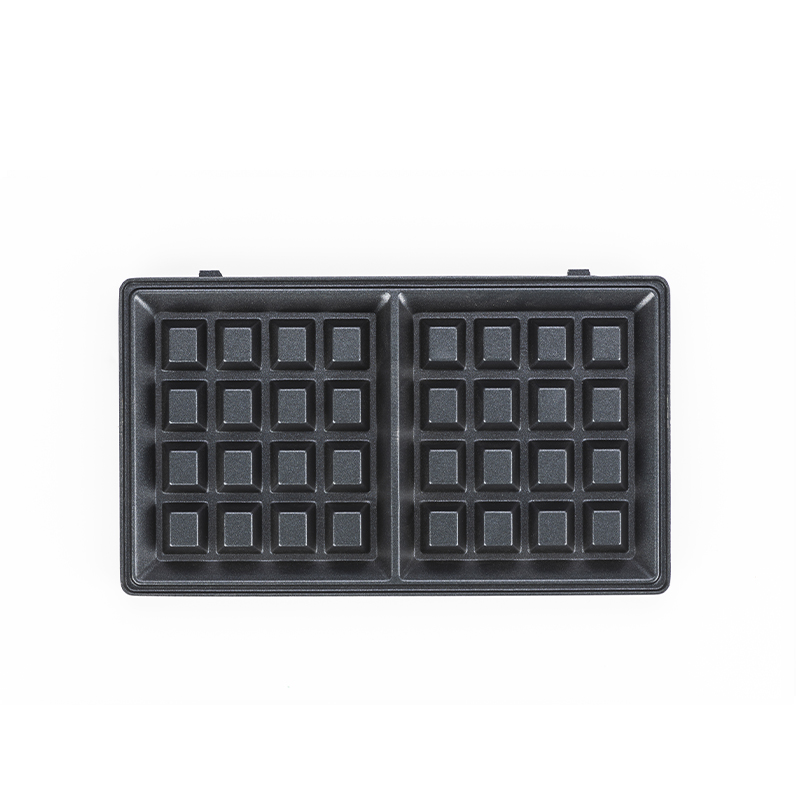 BJX-S025 2-Slice 180° Open Sandwich and Grill Maker with Interchangeable PlatesVersatile 800W countertop press opens flat to 180° and swaps non-stick plates for sandwiches, waffles, grilling, or fish-shaped treats.View Product →
For panini and family use, a 180° opening model with interchangeable plates gives you more flexibility. You can press a thick sandwich, open it flat to grill vegetables, or swap in waffle plates for a weekend breakfast. These machines usually weigh more and need a dedicated storage spot, but they replace several small appliances.
If you are sourcing for a retail or wholesale program, pay attention to hinge fatigue ratings. A multifunctional sandwich maker for modern families may sell well, but a loose hinge after six months generates returns. You can read more about multifunctional sandwich maker designs for modern families to understand the feature trade-offs.
For large batches and meal prep
A four-slice model with three-level height control suits families, small cafés, or anyone who preps several sandwiches at once. The extra plate area demands more power, typically 1200W and above. A height-control lever lets you press a thin ciabatta or a tall sourdough without squashing it. Cleaning becomes more important at this size, so confirm that all plates are removable and dishwasher safe.
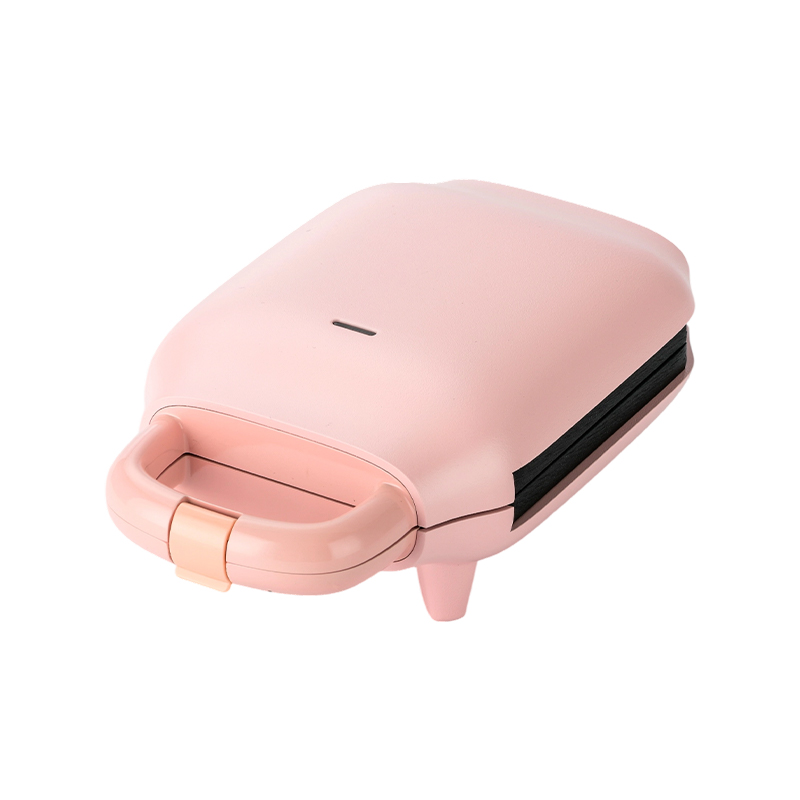
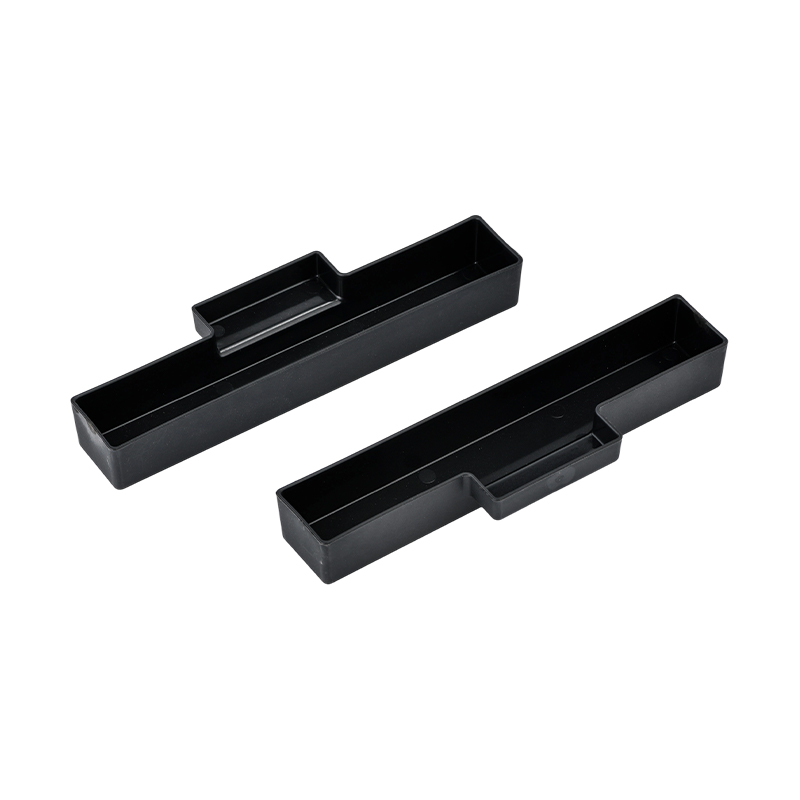 BJX-S026 4-Slice 180° Open Grill and Sandwich Maker with 3-Level ControlFamily-sized 1600W press opens flat for grilling and includes interchangeable plates plus a removable oil drip tray for larger batches.View Product →
Do not buy a four-slice machine for a one-person household unless you regularly cook for guests. The larger surface takes longer to preheat and uses more energy per sandwich. For most homes, a two-slice machine with good temperature control beats a large machine with uneven heating.
Cleaning, safety, and long-term durability
Removable plates are the single biggest cleaning upgrade. Fixed plates force you to wipe a hot surface with a damp cloth, and oil inevitably collects around the screws and hinges. Over time, that residue hardens, becomes difficult to remove, and can shorten the life of the non-stick coating.
Safety checks are equally practical. The exterior should stay below 60°C during use. The power cord should be at least 80cm long so you can reach a wall outlet without pulling the machine off the counter. Non-slip feet are not optional; a sliding sandwich maker is a burn risk. And the handle should stay cool enough to touch without a towel.
Durability comes down to the hinge, the latch, and the plastic housing. A manufacturer that controls its own mold shop and injection molding can hold tighter tolerances on those parts. For example, a factory with in-house tooling, injection, and assembly lines can adjust wall thickness and ribbing before mass production. That reduces the chance of a cracked hinge or a latch that stops locking after a few months. If you want to understand how these design choices affect everyday cooking, see this discussion on how a sandwich maker becomes a kitchen efficiency tool.
For buyers importing at volume, request a hinge fatigue test and a coating adhesion test. These two reports reveal more about real-world durability than a long list of certifications. Also confirm that replacement plates and cords will be available for at least two years.
FAQ
What wattage do I need for a sandwich maker?
For a single-slice or compact two-slice model, 600W–800W is enough. A standard two-slice machine works best between 800W and 1000W. Four-slice models need 1200W or more to recover heat quickly after you add cold ingredients. Higher wattage does not automatically mean better results if the plates are thin.
Are removable plates worth the extra cost?
Yes, especially if you use the machine more than twice a week. Removable plates can be washed in the sink or dishwasher, which removes grease and crumbs that would otherwise bake onto the hinge area. Fixed plates are cheaper, but they demand more careful wiping and tend to develop sticky edges over time.
Can a sandwich maker make waffles?
Only if the manufacturer offers waffle plates that fit that specific model. A multifunctional sandwich maker with interchangeable plates can usually swap between sandwich, waffle, and grill plates. Check the locking mechanism and plate shape before buying, because not all interchangeable plates are cross-compatible.
How do I prevent sticking?
Preheat the plates fully before adding bread. Use a small amount of oil or butter on the plates, not on the bread alone. Never use metal tongs or knives on the non-stick surface. After cleaning, wipe a thin film of cooking oil across the plates while they are still slightly warm to maintain the coating.
Is a 180° opening hinge important?
It is useful if you want to grill open-faced sandwiches, sear meat, or cook eggs. It also makes the machine more versatile for a family. However, a 180° hinge adds mechanical stress. Look for a metal hinge pin and a sturdy latch if you plan to open the machine flat often.
The best sandwich maker is the one you will actually use every day without dreading the cleanup. Start by choosing removable plates, then match the wattage and size to the number of sandwiches you make. A well-controlled 800W two-slice machine will outperform a poorly built 1200W four-slice unit for most households.
If you are buying for resale or wholesale, go beyond the spec sheet. Ask for plate thickness, thermostat tolerance, hinge fatigue data, and a spare-parts commitment. Those details reduce returns and build a better product line. A sandwich maker review is only useful when it connects features to real cooking results and long-term ownership costs.