

 English
 中文简体
 Español
 Deutsch

If you have ever tried to press a cheese sandwich into a slot toaster, you already know the short answer: a bread toaster and a sandwich maker are not interchangeable. A bread toaster is built to brown flat slices of bread quickly and evenly. A sandwich maker is a hinged press that seals two slices around a filling, applies pressure, and cooks both sides at once. For plain toast with butter or jam, choose a toaster. For hot, sealed sandwiches with cheese, meat, or vegetables, choose a sandwich maker. The rest of this guide explains why that answer holds, where the exceptions appear, and what wholesale buyers should check before ordering containers.
What Each Appliance Actually Does
A bread toaster uses vertical slots, radiant heat, and a spring mechanism to pop bread up when the timer or sensor finishes. A sandwich maker uses two hinged nonstick plates, a latch or floating hinge, and direct contact heat to toast the outside of the bread while melting the filling inside. The definitions matter because they explain the real differences in speed, texture, cleaning, and capacity.
A toaster is a single-purpose browning tool. It gives you dry, crisp surfaces without adding fat. A sandwich maker is a cooking tool. It can grill, press, and seal, and many models can also open flat to work as a small grill or griddle. That flexibility is useful, but it comes with more cleaning and more storage space.
Speed, Texture, and Capacity Compared
A toaster usually wins on speed and simple toast, while a sandwich maker wins on texture, fillings, and sealed portability. The table below gives a practical comparison for home users and buyers who need to choose one appliance for a specific market.
| Feature | Bread Toaster | Sandwich Maker |
|---|---|---|
| Best for | Plain sliced bread, bagels, frozen toast | Filled sandwiches, panini, quesadillas, small grills |
| Heat method | Radiant heat from vertical elements | Direct contact heat from hinged plates |
| Typical time | 2 to 4 minutes | 4 to 8 minutes for a filled sandwich |
| Texture result | Dry, crisp surface, soft center | Pressed, golden surface, melted center |
| Capacity | 2 or 4 slices at once | 1 to 4 sandwiches, depending on plate size |
| Cleaning | Crumb tray, occasional shake-out | Wipe plates, removable plates are easier |
| Counter footprint | Tall and narrow | Low and wide, or flat when opened |
| Price range | Usually lower | Slightly higher, especially with timer and removable plates |
The trade-off is straightforward. A toaster does one job with very little cleanup. A sandwich maker does more jobs but asks for more attention to filling, plate material, and storage. If your morning routine is toast and coffee, a toaster is the lower-risk purchase. If your household eats hot sandwiches, panini, or quick grilled snacks, a sandwich maker earns its counter space.
When a Bread Toaster Is the Better Buy
Buy a bread toaster if your daily routine centers on plain sliced bread and you want the fastest, cleanest path from bread to breakfast. The strongest reasons are speed, consistent browning, and low maintenance.
- Fast daily toast: A 2-slice toaster can finish medium toast in about 2 to 3 minutes, which is hard to beat for busy mornings.
- Even browning: Slots hold bread upright, so both sides receive similar radiant heat. Wide-slot models handle bagels, thick-cut bread, and frozen slices.
- Minimal cleanup: Most crumbs fall into a tray. There are no plates to wash, no cheese to scrape, and no filling to leak.
- Lower risk: With no hinge, latch, or nonstick cooking surface, there are fewer parts to break or wear out.
- Lower price: Entry-level toasters are usually less expensive than sandwich makers with timers and removable plates.
For wholesale buyers, a toaster is a safe, high-volume item for markets where toast is a daily habit. Check slot width, wattage, browning controls, and cord length. A 2-slice model at 700 to 900 watts is common for household use, while 4-slice models often need 1,300 to 1,500 watts and a stable countertop.
When a Sandwich Maker Is the Better Buy
Buy a sandwich maker if you want hot, sealed, handheld meals rather than dry toast. It browns the outside, melts the inside, and keeps fillings contained, which is why it fits lunch, dinner, and snack occasions better than a toaster.
Look for three features that separate a frustrating sandwich maker from a useful one: removable plates, a floating hinge, and a timer. Removable plates make cleaning practical after cheese or egg filling. A floating hinge lets the top plate sit level on thick bread instead of crushing it. A timer prevents the common mistake of opening too early and tearing the sandwich.
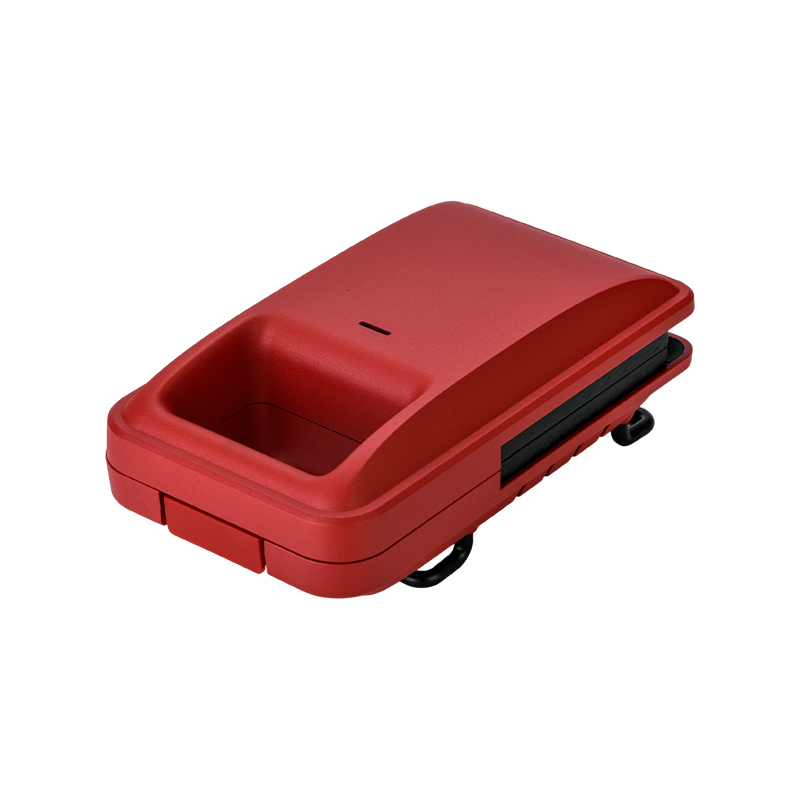
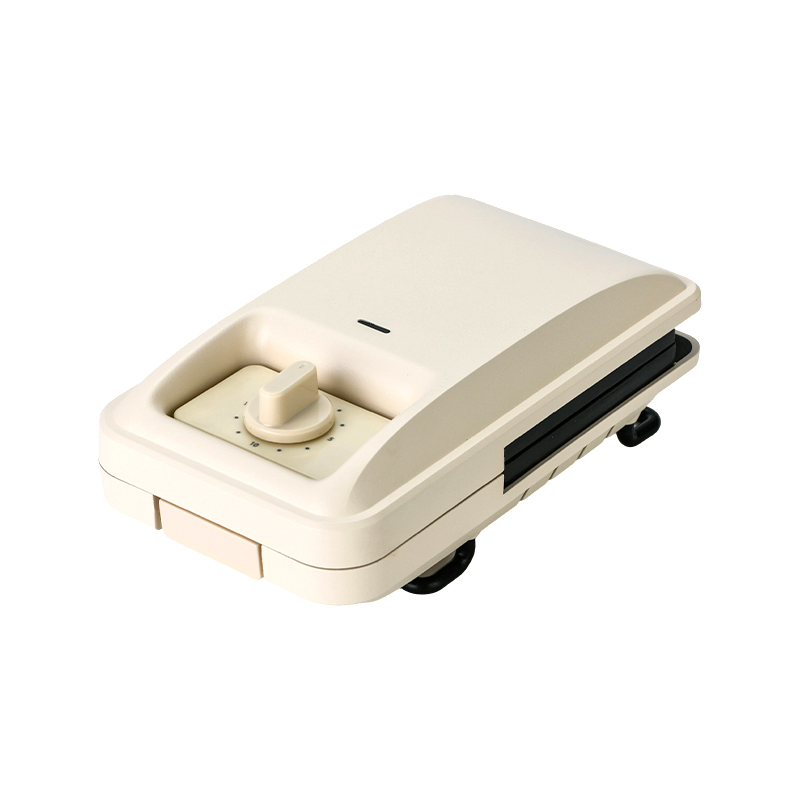
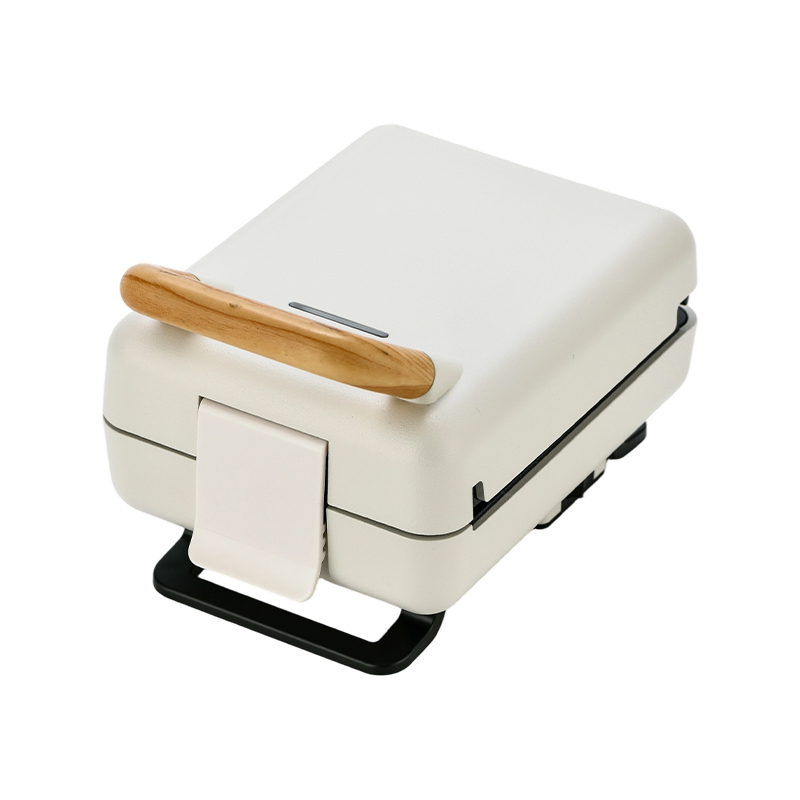
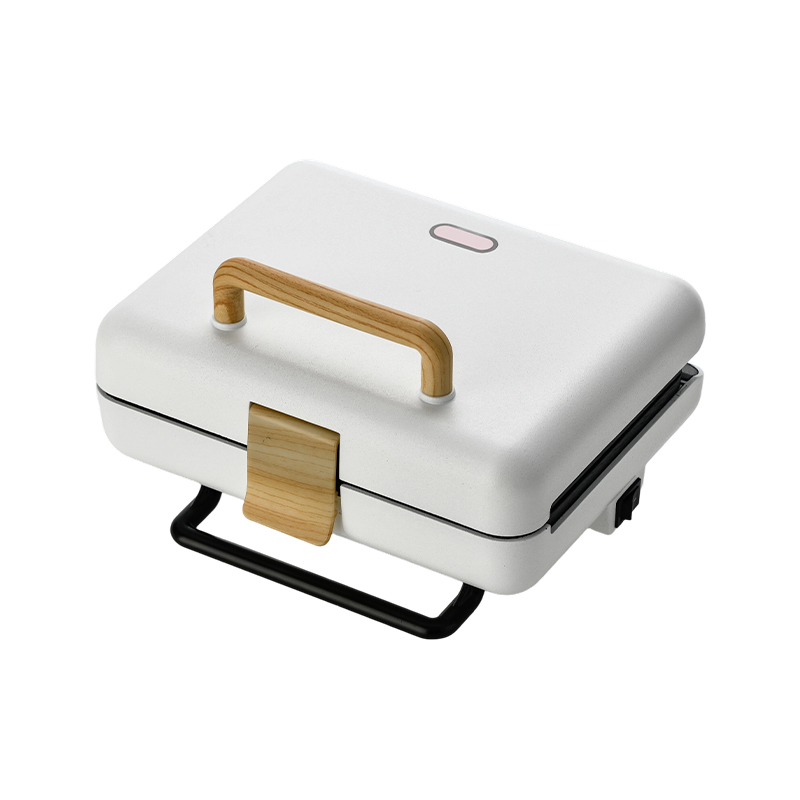
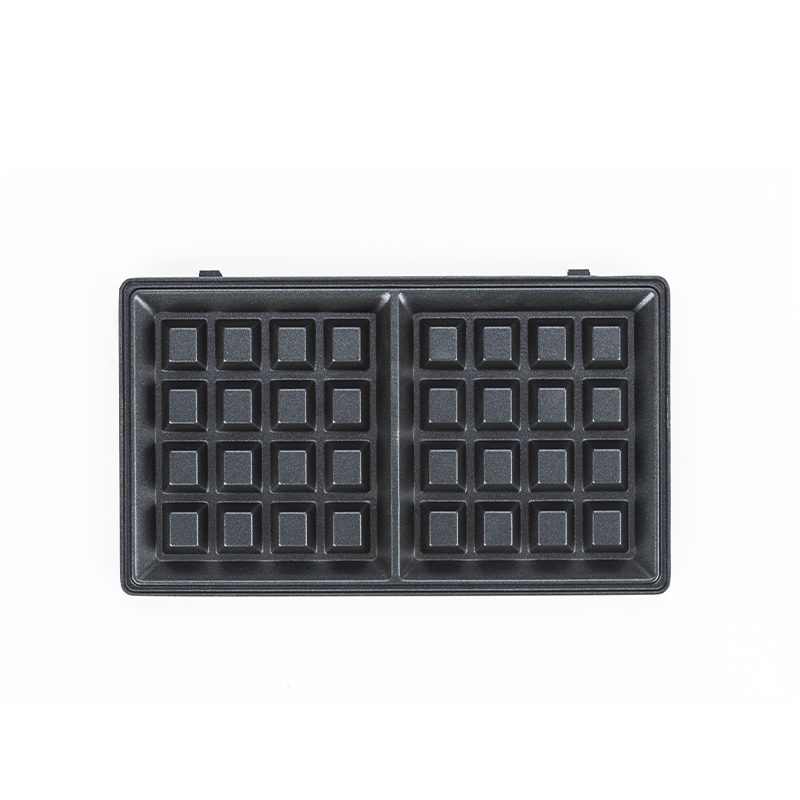 BJX-S025 2-Slice Detachable Sandwich and Grill MakerA compact detachable sandwich and grill maker with 180-degree flat opening, interchangeable non-stick plates, dual heating, and molds for sandwiches, waffles, grill items, and fish.View Product →
Many modern sandwich makers also open 180 degrees. That flat position turns the appliance into a small grill, which is useful for panini, vegetables, and quick breakfast items. Interchangeable plates add another layer of flexibility: one set for sandwiches, another for waffles or grill marks. If your target market values multifunction cooking in a small kitchen, this format is easier to sell than a single-purpose press.
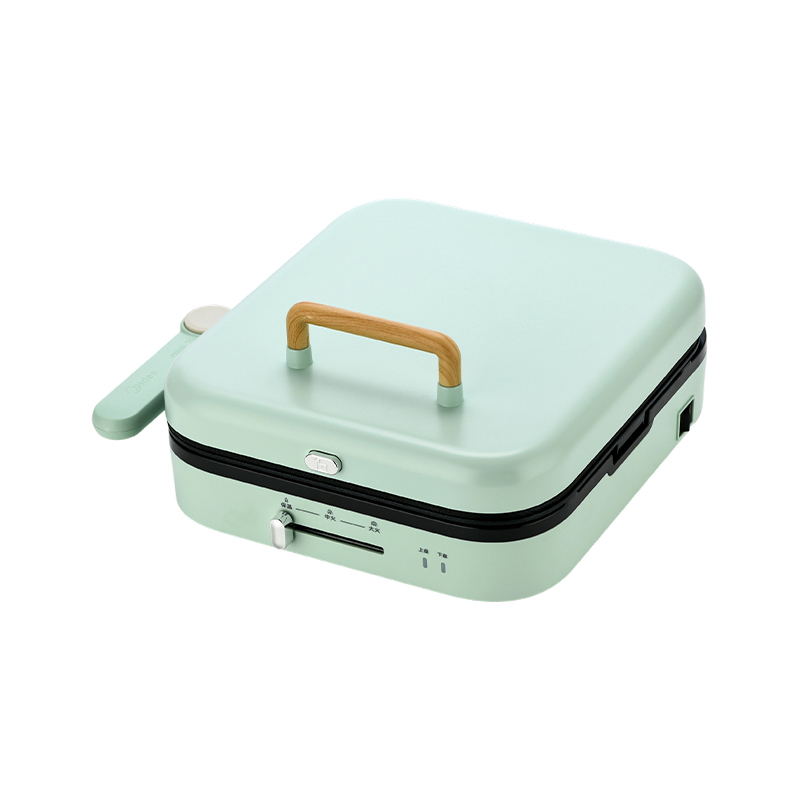
 BJX-S016 15-Minute Timer 2-Slice Sandwich and Waffle MakerA compact detachable sandwich and waffle maker with a 15-minute timer, dual heating plates, interchangeable non-stick molds, and simple cleanup for small kitchens.View Product →
The cleaning trade-off is real. Cheese and oil can migrate into the hinge area, and fixed plates are harder to clean than removable ones. A nonstick coating helps only if users avoid metal utensils and wait for the plates to cool before wiping. For rental apartments, dorms, and small households, a compact sandwich maker can replace a full-size panini press and still handle a quick meal.
Key Purchasing Specs for Wholesale Buyers
For B2B buyers, the decision hinges on plate material, power rating, timer design, packaging, and the ability to adapt the product for different markets. The table below lists the specifications that most often decide whether a container sells through or sits in a warehouse.
| Specification | Why It Matters | Practical Target |
|---|---|---|
| Plate or slot material | Affects durability, cleaning, and perceived quality | Nonstick coating for sandwich makers; wide slots for toasters |
| Power rating | Must match household circuits and market expectations | 700 to 900 W for 2-slice; 1,300 to 1,500 W for 4-slice |
| Timer and controls | Reduces user error and returns | 15-minute timer, browning dial, or 3-level control |
| Hinge and latch | Determines whether thick bread cooks evenly | Floating hinge or 180-degree opening |
| Removable plates | Improves cleaning and user satisfaction | Detachable, dishwasher-safe where possible |
| Packaging and manual | Affects retail readiness and support costs | Multilingual manual, retail box, and spare parts plan |
A manufacturer with in-house mold, injection, and assembly capacity can adjust plate shape, handle color, and packaging without waiting for external tooling. That kind of vertical integration matters when a buyer needs a small batch of a specific plate design or a private-label color. It also helps control tolerance on the hinge and latch, which are the parts most likely to fail after repeated use.
For kitchen efficiency topics, see this guide on home sandwich maker efficiency. Buyers who want to compare plate shapes and wattages across a full range can review the available sandwich maker models before requesting samples.
Common Mistakes and Risk Factors
The biggest mistakes are using bread that is too thick, overfilling the sandwich, and ignoring the cleaning routine until the nonstick surface fails. These problems are predictable, and they show up in returns and negative reviews.
- Bread that is too thick: Slices above roughly 15 mm may not fit the hinge or may burn outside before the filling is hot.
- Overfilling: More than about 30 mm of total filling can leak into the hinge and cause smoke or hard-to-clean residue.
- Metal utensils: They scratch nonstick plates and shorten the life of a removable-plate design.
- Wrong wattage: A 1,500 W sandwich maker on a shared circuit can trip a breaker, especially in older homes or dorm rooms.
- Ignoring warm-up time: Plates need 2 to 3 minutes to reach full temperature, otherwise bread absorbs oil and turns soggy.
- Shipping weight: A 180-degree opening model with removable plates is heavier than a basic press, which changes freight cost per container.
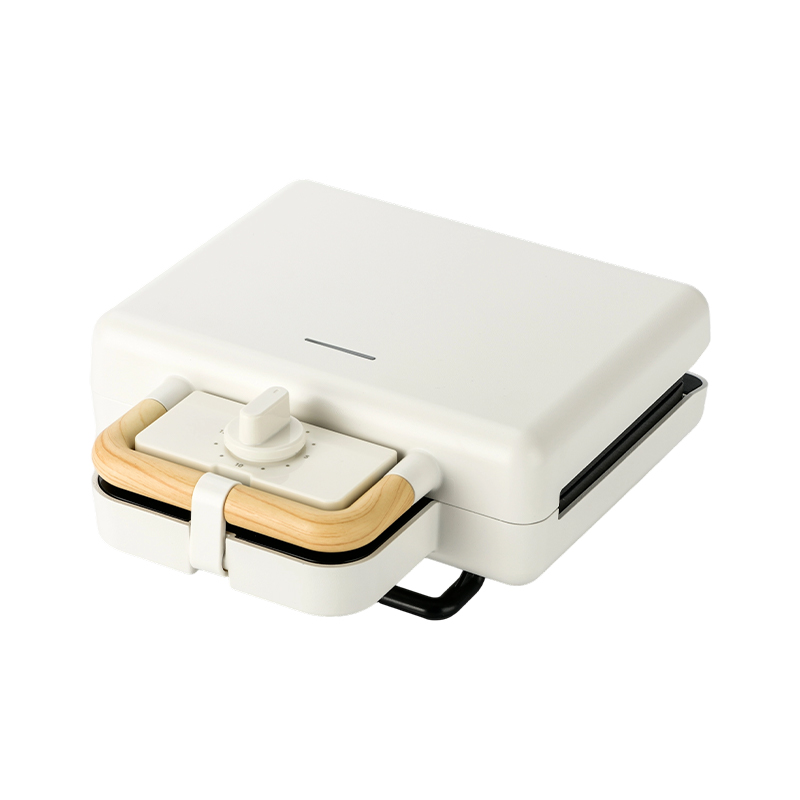
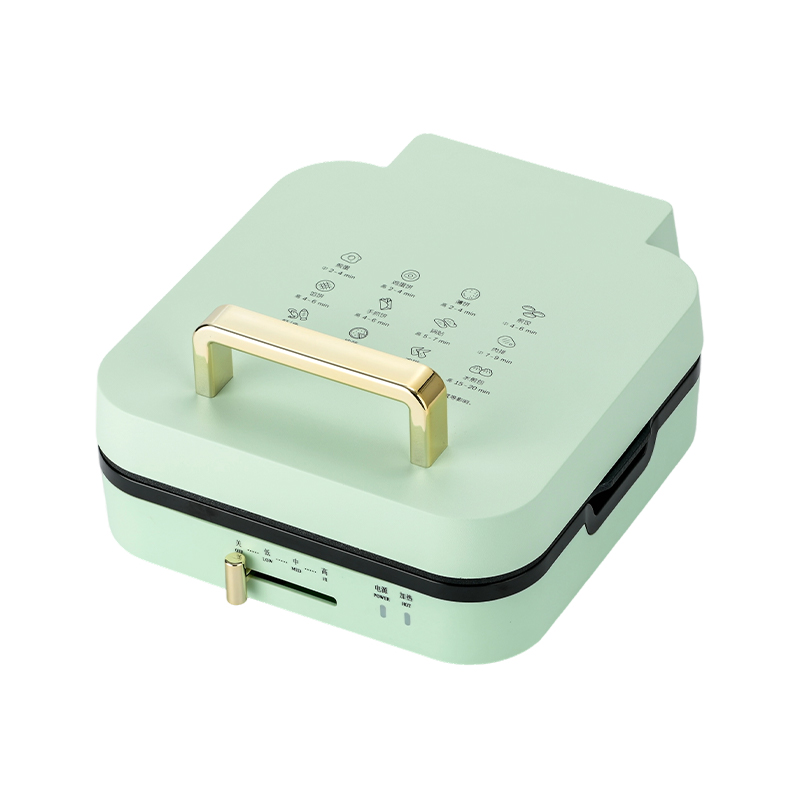
 BJX-S022 Large Electric Grill and Pizza MakerA large dual-heating grill and pizza maker with 28x28 cm removable plates, adjustable temperature, and 180-degree flat-open design for family cooking.View Product →
Temperature control is another risk factor. A simple on-off sandwich maker is cheaper, but it gives the user less control over thick bread or delicate fillings. A model with a timer or thermostat gives more consistent results, particularly for panini and grilled vegetables. Buyers should test the full cycle with real bread and cheese, not just inspect the sample on a table.
Frequently Asked Questions
Can a sandwich maker toast plain bread?
Yes, but it will press the bread and may dry it out. A sandwich maker can brown a plain slice, yet the result is flatter and denser than toast from a vertical toaster. If you want light, crisp toast with jam, a toaster is still the better tool.
Can a bread toaster make a grilled sandwich?
No, not safely or cleanly. A slot toaster cannot seal a filling, and cheese or oil can drip into the heating elements. Some people wrap the sandwich in foil, but that blocks browning and creates a fire risk in many models.
Which appliance uses more electricity?
They are usually similar in wattage, but the sandwich maker often runs longer. A 2-slice toaster may use 800 W for 3 minutes, while a sandwich maker may use 900 W for 6 to 8 minutes. The difference is small for occasional use but noticeable if you cook several rounds.
Which is easier to clean?
A toaster is easier for dry crumbs, but a sandwich maker with removable plates is easier for grease and cheese. Fixed-plate sandwich makers are the hardest to clean because the hinge area traps residue. For daily use, removable plates are worth the higher unit cost.
Match the appliance to the job. A bread toaster is the efficient choice for plain toast, bagels, and fast breakfasts with almost no cleanup. A sandwich maker is the flexible choice for hot filled sandwiches, panini, and small grilled meals, especially when it has removable plates, a timer, and a floating hinge. If your household or your target market needs both, the two appliances can share a counter without overlapping much in daily use. For wholesale planning, compare plate material, wattage, hinge design, and packaging before you commit to a container.